Chuyên sâu trong lĩnh vực vật liệu rời công nghiệp, cung cấp giải pháp môi trường thông minh tích hợp cho phối trộn tự động, cấp liệu tập trung, khử lưu huỳnh và khử nitơ khô!
When it comes to managing resin powder in industrial applications, selecting the appropriate pneumatic conveying system is crucial for efficiency, safety, and cost-effectiveness. Resin powders, with their unique properties such as particle size, density, and flow characteristics, require specialized handling solutions to ensure smooth operation and minimal downtime. This article provides a comprehensive guide to help you choose the right pneumatic conveying system for your resin powder handling process, with insights from industry experts at Shandong HeadPowder Engineering Co., Ltd., a leading provider of powder handling solutions.
Understanding the Importance of Pneumatic Conveying for Resin Powders
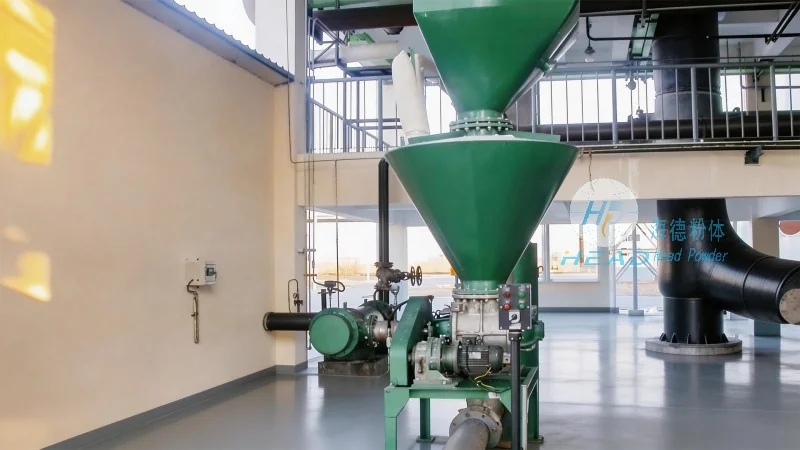
Resin powders are widely used in various industries, including plastics, composites, and coatings, due to their versatility and performance. However, their fine particle size and tendency to create dust can pose challenges during transportation and storage. Pneumatic conveying systems offer a solution by using air or other gases to transport materials through pipelines, eliminating the need for mechanical components like belts or buckets. This method not only enhances safety by containing dust but also improves process control and reduces material loss. For resin powders, the choice of system depends on factors such as material characteristics, required conveying distance, and system complexity.
Key Factors to Consider When Selecting a Pneumatic Conveying System
Before making a decision, it's essential to evaluate several key factors that influence the performance and suitability of a pneumatic conveying system for resin powders. These factors include the physical properties of the resin, such as particle size distribution, moisture content, and bulk density, as well as the operational requirements like conveying distance, flow rate, and system pressure. Additionally, the system's compatibility with existing infrastructure, maintenance requirements, and cost considerations play a significant role in the selection process. Shandong HeadPowder Engineering Co., Ltd. emphasizes the importance of conducting a thorough analysis of these factors to ensure the chosen system meets the specific needs of the resin powder handling process.
Types of Pneumatic Conveying Systems for Resin Powders
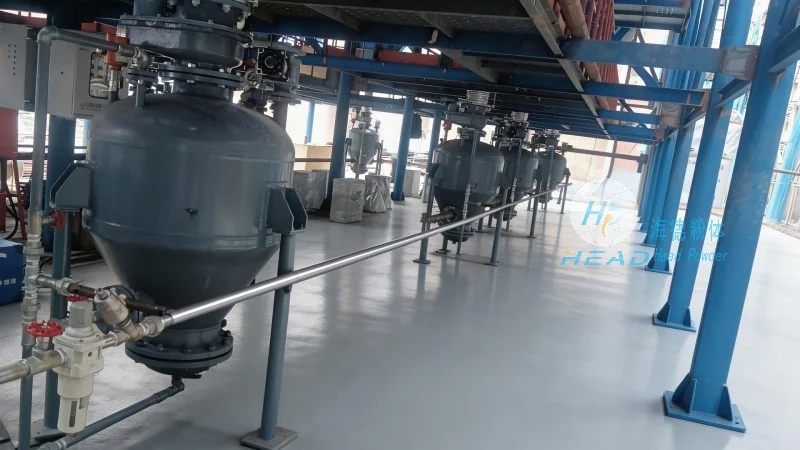
There are several types of pneumatic conveying systems available, each with its own advantages and limitations. The most common types include pressure systems, vacuum systems, and hybrid systems. Pressure systems use compressed air to push the material through the pipeline, making them suitable for long-distance conveying and high-volume applications. Vacuum systems, on the other hand, use suction to draw the material into the system, which is ideal for short-distance or low-volume conveying. Hybrid systems combine both pressure and vacuum principles, offering flexibility for different conveying scenarios. For resin powders, the selection of a system type depends on the specific application requirements and the characteristics of the material being handled.
Design Considerations for Resin Powder Pneumatic Conveying Systems
The design of a pneumatic conveying system for resin powders must take into account the material's flow properties and potential for agglomeration or caking. Proper pipeline sizing, material handling equipment, and control systems are critical to ensure smooth and efficient operation. The system should also be equipped with features such as dust collection, filtration, and material recovery to minimize environmental impact and maximize material utilization. Shandong HeadPowder Engineering Co., Ltd. specializes in designing customized pneumatic conveying systems that address these challenges, ensuring optimal performance and reliability for resin powder handling processes.
Benefits of Choosing the Right Pneumatic Conveying System for Resin Powders

Implementing the right pneumatic conveying system for resin powders can bring numerous benefits to industrial operations. These include improved process efficiency, reduced labor costs, enhanced safety through dust containment, and increased product quality by minimizing material degradation. Additionally, a well-designed system can extend the lifespan of equipment and reduce maintenance requirements, leading to long-term cost savings. By selecting a system that is tailored to the specific needs of the resin powder handling process, companies can achieve higher productivity and better overall performance.
Conclusion and Recommendations
Choosing the right pneumatic conveying system for your resin powder handling process is a critical decision that can significantly impact operational efficiency and safety. By considering factors such as material properties, conveying distance, and system design, and consulting with experts like Shandong HeadPowder Engineering Co., Ltd., you can select a system that meets your specific requirements. The key is to invest time in thorough analysis and customization to ensure the system performs optimally and contributes to the success of your resin powder handling operations. With the right system in place, you can enhance productivity, reduce costs, and maintain a safe working environment for your team.

 Shandong Headpowder Engineering Co., Ltd.
 156-6277-7102(Quản lý Trương)
  0531-83386006
  Thành phố Tế Nam, Tỉnh Sơn Đông, Trung Quốc
Điện thoại
WeChatTư vấn
Lên đầu