Chuyên sâu trong lĩnh vực vật liệu rời công nghiệp, cung cấp giải pháp môi trường thông minh tích hợp cho phối trộn tự động, cấp liệu tập trung, khử lưu huỳnh và khử nitơ khô!
When it comes to managing sawdust in industrial settings, selecting the appropriate pneumatic conveying system is crucial for efficiency, cost-effectiveness, and operational safety. The right system ensures that sawdust is transported reliably from one point to another, whether it's moving from a storage silo to a processing unit or between different stages of a manufacturing line. This guide will help you navigate the key considerations when choosing a pneumatic conveying system tailored to your sawdust handling needs.
Understanding the Core Requirements of Sawdust Handling
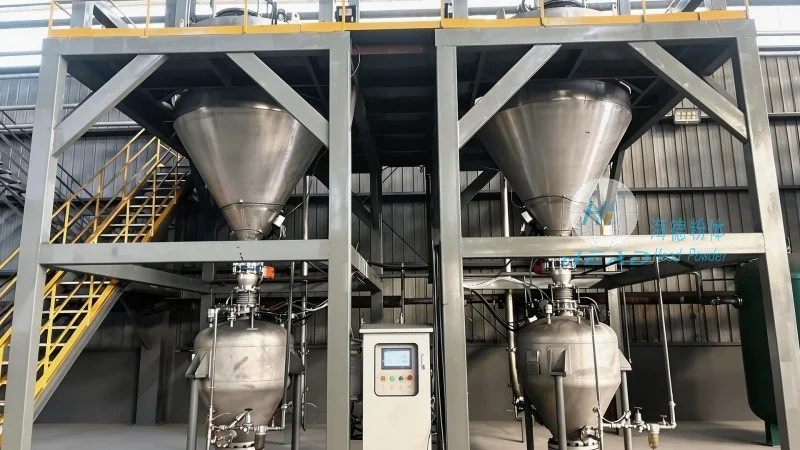

Before diving into system options, it's essential to assess your specific sawdust handling requirements. Key factors include the volume of sawdust to be transported, the distance between source and destination, the required flow rate, and the overall budget. These parameters will directly influence the type of pneumatic conveying system that best suits your operation. For instance, low-volume, short-distance transport might be efficiently handled by a low-pressure system, while high-volume, long-distance applications may necessitate high-pressure or dense-phase systems. Understanding these operational demands is the first step toward making an informed decision.
Types of Pneumatic Conveying Systems for Sawdust
Several pneumatic conveying technologies are available, each with distinct characteristics and applications. The most common types include positive pressure, negative pressure, and dense-phase systems. Positive pressure systems use compressed air to push sawdust through the pipeline, making them suitable for long-distance and high-volume transport. Negative pressure systems, on the other hand, draw sawdust into the system using vacuum, which is ideal for short-distance or low-volume applications. Dense-phase systems, which mix sawdust with a small amount of air or gas, offer a balance between pressure and flow, ensuring stable and controlled transport, especially for delicate or abrasive materials like sawdust. Each system type has its advantages and limitations, and selecting the right one depends on your specific operational constraints and material properties.
Key Factors to Evaluate When Selecting a System
When evaluating pneumatic conveying systems for sawdust, several critical factors must be considered. The first is the material's characteristics, such as particle size, moisture content, and abrasiveness. Sawdust can vary significantly in these aspects, affecting system performance. For example, fine sawdust may require a system with finer filtration and more efficient separation to prevent clogging. Additionally, the system's scalability and flexibility are important, as your sawdust handling needs may evolve over time. A system that can be easily expanded or modified will provide long-term value. Another critical factor is maintenance and operational costs. Systems with lower maintenance requirements and energy efficiency will contribute to overall cost savings. It's also essential to consider the system's compatibility with existing infrastructure and the space available for installation. These factors collectively help in choosing a system that not only meets current needs but also supports future growth.
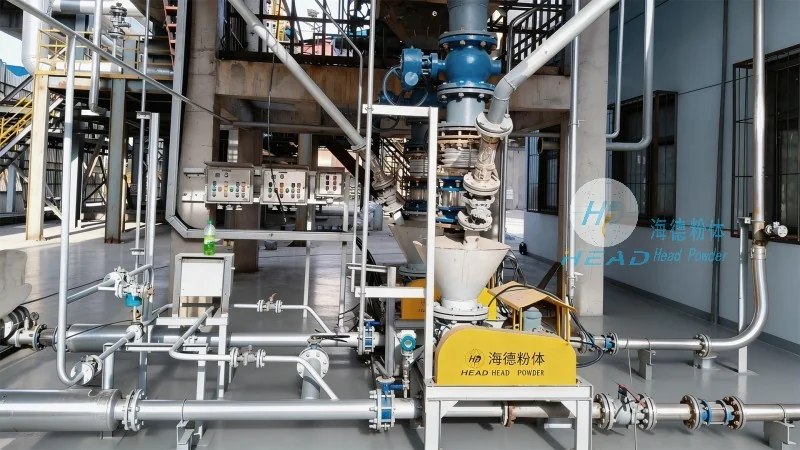
Role of HeadPowder in Sawdust Pneumatic Conveying Solutions
Shandong HeadPowder Engineering Co., Ltd., a leading provider of pneumatic conveying solutions, specializes in designing and manufacturing systems tailored to the unique needs of sawdust handling. With a deep understanding of the challenges associated with transporting sawdust, HeadPowder offers customized solutions that address the specific requirements of each client. The company's expertise lies in evaluating material properties, assessing operational constraints, and recommending the most suitable system type, whether it's a positive pressure, negative pressure, or dense-phase system. HeadPowder's team of engineers works closely with clients to ensure that the chosen system is not only efficient but also cost-effective and reliable. By leveraging advanced technology and years of industry experience, HeadPowder delivers systems that enhance productivity and reduce downtime in sawdust handling operations. The company's commitment to quality and customer satisfaction has made it a trusted partner for businesses seeking reliable pneumatic conveying solutions in the sawdust industry.
Conclusion: Making the Right Choice for Your Sawdust Handling Process
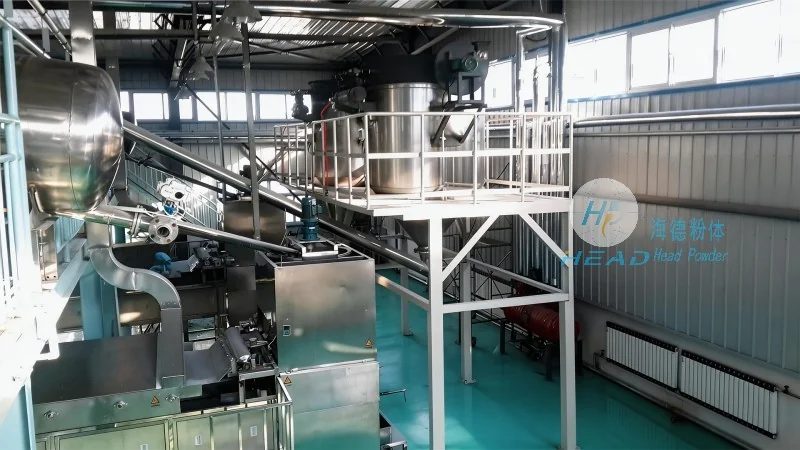
Selecting the right pneumatic conveying system for your sawdust handling process is a critical decision that impacts operational efficiency, cost, and safety. By carefully evaluating your material characteristics, operational requirements, and long-term goals, you can choose a system that meets your current needs while supporting future growth. Companies like Shandong HeadPowder Engineering Co., Ltd. play a vital role in this process by providing expert guidance, customized solutions, and reliable systems. Whether you need a simple low-pressure system for short-distance transport or a complex high-pressure system for large-scale operations, working with experienced providers ensures that you make an informed choice. Ultimately, the right pneumatic conveying system will streamline your sawdust handling process, reduce operational costs, and enhance overall productivity, contributing to the success of your business.

 Shandong Headpowder Engineering Co., Ltd.
 156-6277-7102(Quản lý Trương)
  0531-83386006
  Thành phố Tế Nam, Tỉnh Sơn Đông, Trung Quốc
Điện thoại
WeChatTư vấn
Lên đầu