

How to Design a Reasonable Light Calcium Carbonate Pneumatic Conveying System Plan?
Light calcium carbonate (LCC) is a widely used filler and pigment in various industries, including plastics, paper, and coatings. The efficient and reliable transportation of LCC from storage to processing units is crucial for maintaining production efficiency and product quality. Pneumatic conveying systems offer a solution to this challenge by using air to move bulk materials, eliminating the need for mechanical components and reducing maintenance costs. However, designing an optimal LCC pneumatic conveying system requires careful consideration of several key factors to ensure it operates effectively and economically.
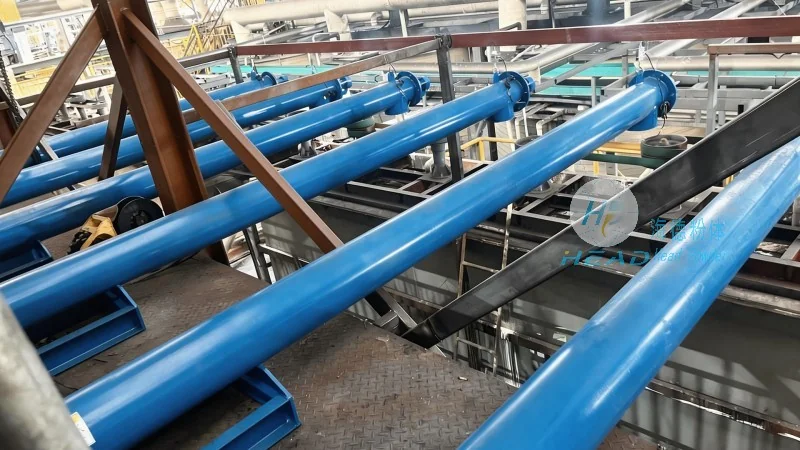
Key Design Considerations for Light Calcium Carbonate Pneumatic Conveying
When designing a light calcium carbonate pneumatic conveying system, several critical aspects must be addressed to achieve the best performance. First, the material characteristics of LCC, such as particle size, density, and flowability, significantly impact system design. LCC particles are typically fine and can be prone to bridging or agglomeration in hoppers, which can affect the flow rate and system efficiency. Therefore, proper hopper design with appropriate aeration or vibratory systems is essential to prevent material buildup and ensure consistent feed to the conveyor. Second, the system's capacity and required throughput must be accurately determined based on production needs. Overdesigning the system can lead to unnecessary energy consumption and higher costs, while underdesigning may result in bottlenecks and reduced productivity. HeadPowder, a leading engineering company based in Shandong, China, specializes in the design and implementation of customized pneumatic conveying solutions tailored to the specific requirements of LCC handling.

Components of a Light Calcium Carbonate Pneumatic Conveying System
A typical light calcium carbonate pneumatic conveying system consists of several key components that work together to transport the material. The primary components include a hopper or storage silo, a feeder (often a rotary valve or screw feeder) to control the material flow, a conveying line (usually made of stainless steel or plastic to prevent material contamination and corrosion), a blower or compressor to generate the air pressure, and a receiver or collection unit to deposit the material at the destination. The choice of components depends on the specific application and material properties. For example, if the LCC is highly abrasive, the conveying line may need to be lined with wear-resistant materials to extend its lifespan. The blower or compressor selection is critical as it determines the system's pressure and flow rate capabilities. HeadPowder engineers carefully evaluate the material's characteristics and operational parameters to select the most suitable equipment, ensuring long-term reliability and minimal downtime.
System Sizing and Performance Optimization
Proper system sizing is essential for the efficient operation of a light calcium carbonate pneumatic conveying system. The system's capacity is determined by the required material throughput, which is calculated based on production rates and processing times. The conveying line diameter and length are critical factors that affect the system's performance. A larger diameter line reduces pressure drop and energy consumption, but it also increases material cost. Conversely, a smaller diameter line may be more cost-effective but requires higher air velocity to maintain material transport, leading to increased energy use. HeadPowder employs advanced computational fluid dynamics (CFD) and empirical formulas to model the system and optimize the line dimensions and air velocity. This approach ensures that the system operates at the most efficient point, minimizing energy consumption while maintaining the required material flow rate. Additionally, the system's pressure drop is a key parameter that indicates the energy required to move the material through the line. Engineers at HeadPowder monitor and adjust the system's pressure drop by selecting appropriate components and maintaining the system's cleanliness to prevent blockages or increased resistance.
Material Handling Challenges and Solutions
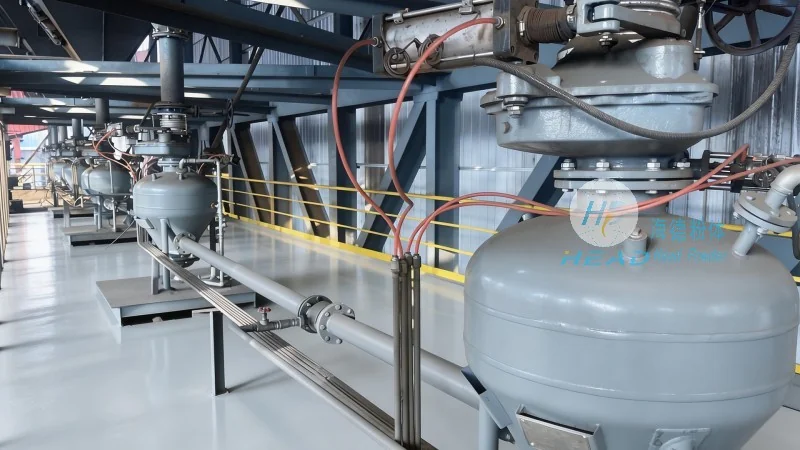
Handling light calcium carbonate presents unique challenges due to its fine particle size and potential for static charge buildup. Fine particles can cause dust accumulation in the system, leading to blockages and reduced efficiency. To mitigate this, HeadPowder recommends implementing dust collection systems, such as cyclones or baghouses, to capture and recycle the material. Static charge can also affect material flow, causing the particles to stick to the conveying line or hopper walls. Anti-static measures, including grounding and using conductive materials, are implemented to prevent these issues. Furthermore, LCC's flowability can be affected by moisture content, which may cause clumping or bridging in the hopper. Proper moisture control and hopper design with aeration or vibratory systems help maintain consistent material flow. HeadPowder's expertise in material science and pneumatic conveying technology allows them to address these challenges effectively, ensuring the system operates smoothly and reliably.
Installation and Maintenance Considerations
The successful operation of a light calcium carbonate pneumatic conveying system also depends on proper installation and regular maintenance. During installation, it is crucial to ensure all components are properly aligned and connected to prevent air leaks or material blockages. HeadPowder provides comprehensive installation services, including on-site support and training for operators to ensure the system is set up correctly. Regular maintenance is essential to keep the system in optimal condition. This includes checking and replacing worn parts, cleaning the conveying line and hopper, and monitoring system performance. HeadPowder offers maintenance contracts and technical support to help clients maintain their systems and minimize downtime. By following proper maintenance procedures, the system's lifespan can be extended, and operational costs can be reduced over time.