Chuyên sâu trong lĩnh vực vật liệu rời công nghiệp, cung cấp giải pháp môi trường thông minh tích hợp cho phối trộn tự động, cấp liệu tập trung, khử lưu huỳnh và khử nitơ khô!
Latex powder, a versatile material widely used in various industries, requires efficient and reliable conveying methods to ensure smooth production processes. The choice of conveying method depends on several factors including the powder's properties, the production scale, and the specific application requirements. This article explores the primary methods used for latex powder transport, highlighting the key considerations and equipment involved.
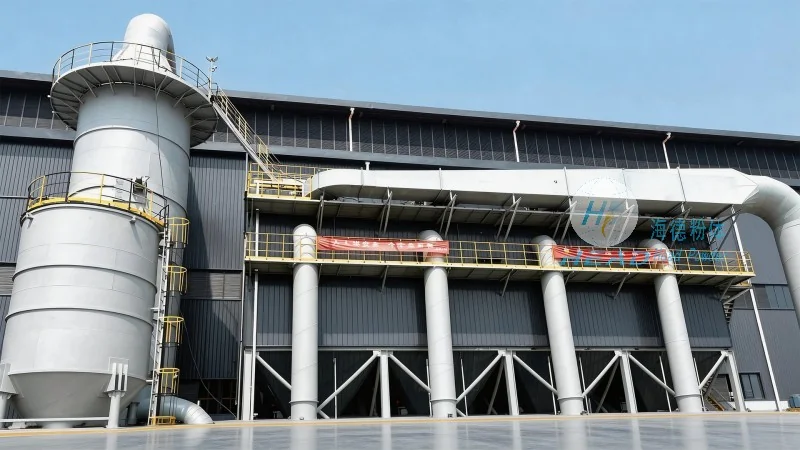
Common Conveying Techniques for Latex Powder
Several conventional and modern techniques are employed for latex powder conveying. One of the most widely used methods is pneumatic conveying, which utilizes air pressure to move the powder through a pipeline system. This approach is particularly effective for handling fine powders like latex, as it minimizes dust and provides a clean transfer process. Pneumatic systems can be categorized into pressure and vacuum types, each suited to different operational needs. Pressure systems push the powder forward using compressed air, while vacuum systems draw the material from the source using a vacuum pump. The selection between these depends on factors such as the distance to be covered and the material's flow characteristics.
Another common method is mechanical conveying, which relies on mechanical components like belts, screws, and buckets to transport the powder. Screw conveyors, for instance, are widely used in latex powder handling due to their simplicity and effectiveness in moving bulk materials. These systems are particularly suitable for horizontal or slightly inclined transport, ensuring consistent flow rates. Belt conveyors, on the other hand, are ideal for longer distances and can handle larger quantities of material. Mechanical conveyors are often preferred in applications where dust control is less critical or where the material is less abrasive.
Equipment and Systems for Efficient Latex Powder Transport
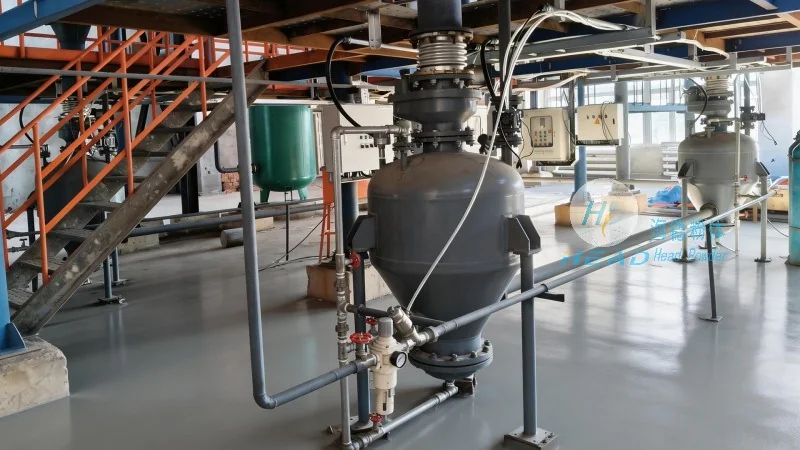
Efficient latex powder conveying requires specialized equipment designed to handle the material's unique properties. For pneumatic systems, components such as rotary valves, airlocks, and dust collectors are essential. Rotary valves control the flow of powder into the conveying line, preventing backflow and ensuring a steady supply. Airlocks, often used at the discharge end, help maintain a consistent pressure and prevent material from escaping. Dust collectors are crucial for maintaining air quality and complying with environmental regulations. These systems work together to create a closed-loop conveying process that minimizes waste and ensures product purity.
Mechanical conveying systems also require specific components to ensure optimal performance. For screw conveyors, the design of the screw and the housing is critical. The pitch and diameter of the screw determine the conveying capacity and the pressure exerted on the material. Properly designed screw conveyors can handle latex powder without causing excessive wear or degradation. Belt conveyors may include idlers, pulleys, and tensioning mechanisms to maintain the belt's tension and ensure smooth operation. These components are essential for preventing slippage and maintaining the integrity of the material being transported.

Considerations for Choosing the Right Conveying Method
When selecting a conveying method for latex powder, several factors must be considered to ensure the most efficient and cost-effective solution. The first consideration is the material's properties, including its particle size, density, and flowability. Fine latex powders may require pneumatic conveying to avoid clogging, while coarser materials might be better suited for mechanical systems. The production scale is another critical factor; large-scale operations may benefit from pneumatic systems with high capacity, while smaller-scale applications might use mechanical conveyors for simplicity and lower cost.
The distance and layout of the conveying system also play a significant role. For short distances, mechanical conveyors may be sufficient, but for longer distances, pneumatic systems offer better efficiency and lower energy consumption. Environmental regulations and dust control requirements are also important considerations. Pneumatic systems, especially with proper dust collection, are often preferred in environments where air quality is a concern. Additionally, the cost of equipment, maintenance, and operational energy must be evaluated. While pneumatic systems may have higher initial costs, they can offer long-term savings in terms of reduced downtime and material loss.
Company Profile: Shandong HeadPowder Engineering Co., Ltd.
Shandong HeadPowder Engineering Co., Ltd., a leading provider of latex powder processing solutions, specializes in designing and manufacturing conveying systems tailored to the needs of various industries. With a focus on quality and innovation, the company offers a range of equipment and services to enhance the efficiency of latex powder handling. HeadPowder's expertise in material handling technology ensures that their systems are reliable, durable, and compliant with industry standards. The company's commitment to customer satisfaction and technical support makes it a trusted partner for businesses seeking to optimize their latex powder conveying processes. Located in Shandong, China, HeadPowder leverages its local resources and industry knowledge to deliver effective solutions for a diverse range of applications.

 Shandong Headpowder Engineering Co., Ltd.
 156-6277-7102(Quản lý Trương)
  0531-83386006
  Thành phố Tế Nam, Tỉnh Sơn Đông, Trung Quốc
Điện thoại
WeChatTư vấn
Lên đầu