Chuyên sâu trong lĩnh vực vật liệu rời công nghiệp, cung cấp giải pháp môi trường thông minh tích hợp cho phối trộn tự động, cấp liệu tập trung, khử lưu huỳnh và khử nitơ khô!
When it comes to handling tungsten carbide, an essential material in modern manufacturing, the method of conveying this abrasive and hard material is critical for efficiency and safety. Tungsten carbide is widely used in cutting tools, wear-resistant components, and other industrial applications, and its proper transportation from production sites to processing or packaging areas requires specialized techniques. This article explores the various methods available for tungsten carbide conveying, highlighting the key considerations and practical approaches used by industry professionals.
Understanding the Importance of Tungsten Carbide Conveying
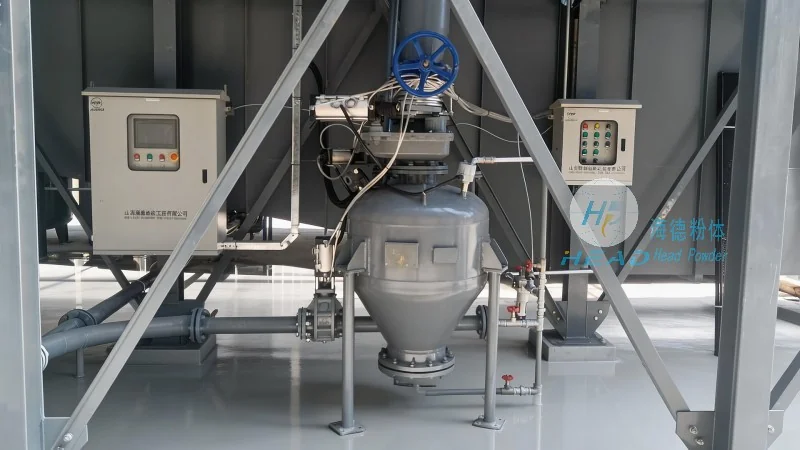
Tungsten carbide is a high-performance material known for its exceptional hardness, wear resistance, and thermal stability. These properties make it indispensable in sectors such as metalworking, mining, and aerospace. However, the material's brittleness and potential for generating dust or fine particles during handling necessitate careful handling. Effective conveying systems not only ensure the material reaches its destination without damage but also maintain safety standards by minimizing exposure to airborne particles. For businesses operating with tungsten carbide, selecting the right conveying method is a strategic decision that impacts operational efficiency, product quality, and regulatory compliance.
Common Methods for Tungsten Carbide Conveying
Several methods are commonly employed for tungsten carbide conveying, each with its own advantages and suitable applications. The choice of method depends on factors like material size, production volume, and the environment where the conveying takes place. Here are some of the most prevalent approaches:
Mechanical Conveying Systems
Mechanical conveying systems are among the most traditional and widely used methods for transporting tungsten carbide. These systems typically involve the use of conveyor belts, screw conveyors, or bucket elevators. Conveyor belts are ideal for moving larger pieces of tungsten carbide, such as raw pellets or pre-machined components, over short to medium distances. Screw conveyors, on the other hand, are effective for handling bulk materials in a vertical or horizontal orientation, ensuring consistent flow and preventing material buildup. Bucket elevators are particularly useful for vertical transport, especially in facilities where space is limited. Mechanical systems are generally low-maintenance and reliable, making them a preferred choice for many manufacturers. However, they may not be suitable for very fine powders or materials that are prone to dust generation, as the risk of particle loss or contamination is higher.
Air-Pressure Conveying (Pneumatic Conveying)
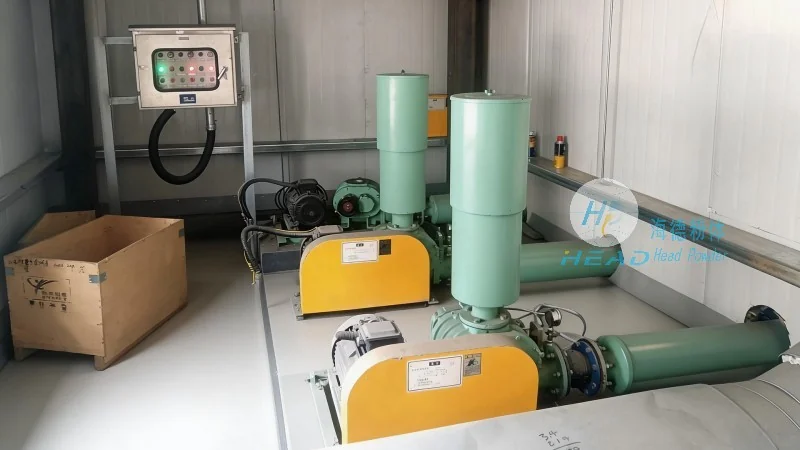
Air-pressure or pneumatic conveying systems use compressed air to transport tungsten carbide particles through a pipeline. This method is particularly effective for handling fine powders or dust, as it can move materials over longer distances with minimal disruption. Pneumatic conveyors can be categorized into two main types: positive displacement and pressure-assisted systems. Positive displacement systems use a pump to create a vacuum or pressure, drawing material into the pipeline. Pressure-assisted systems, conversely, use compressed air to push material through the line. Both types are capable of handling abrasive materials like tungsten carbide, as the pipeline is often constructed from durable materials such as stainless steel or high-grade plastic. Pneumatic conveying offers advantages such as the ability to transport materials in a closed system, reducing dust exposure and environmental impact. However, it requires careful design to prevent material degradation and ensure consistent flow rates.
Hydraulic Conveying

Hydraulic conveying systems use water or other liquids to transport tungsten carbide particles. This method is particularly useful for handling very fine powders or slurry mixtures, as the liquid helps to suspend the particles and prevent clogging. Hydraulic systems are commonly used in mining operations where tungsten carbide is extracted from ore. The material is mixed with water to form a slurry, which is then pumped through pipelines to processing facilities. This approach allows for efficient transport of large volumes of material over long distances. However, hydraulic conveying requires additional equipment for slurry preparation and separation, increasing the overall complexity and cost of the system. It is also less common in industrial settings compared to mechanical or pneumatic methods due to the need for specialized infrastructure.
Specialized Conveying Solutions
For unique applications or challenging environments, specialized conveying solutions may be employed. These include vibrating conveyors, which use vibration to move materials along a trough, and magnetic conveyors, which utilize magnetic fields to attract and transport ferromagnetic components. Vibrating conveyors are effective for handling irregularly shaped tungsten carbide pieces, as the vibration helps to prevent material bridging and ensure smooth flow. Magnetic conveyors are particularly useful for separating ferromagnetic particles from non-magnetic materials, which is a common requirement in tungsten carbide processing. These specialized systems are often customized to meet the specific needs of a facility, ensuring optimal performance and efficiency.
Key Considerations for Selecting a Conveying Method
When choosing a conveying method for tungsten carbide, several factors must be considered to ensure the best results. First, the physical properties of the material, such as particle size, density, and shape, play a crucial role. Larger, irregularly shaped pieces may require mechanical systems, while fine powders are better suited for pneumatic or hydraulic methods. Second, the volume of material to be transported and the distance it needs to travel are important considerations. For short distances and large volumes, mechanical systems may be more cost-effective, whereas pneumatic systems are ideal for long-distance transport of smaller quantities. Third, safety and environmental regulations must be taken into account. Tungsten carbide dust can be hazardous, so systems that minimize dust generation and provide proper ventilation are essential. Additionally, the cost of installation, maintenance, and operation should be evaluated to ensure the chosen method aligns with the budget and operational goals of the business.

 Shandong Headpowder Engineering Co., Ltd.
 156-6277-7102(Quản lý Trương)
  0531-83386006
  Thành phố Tế Nam, Tỉnh Sơn Đông, Trung Quốc
Điện thoại
WeChatTư vấn
Lên đầu