

What Methods Can Be Used for Asbestos Powder Conveying?
When it comes to the efficient and safe handling of asbestos powder, selecting the right conveying method is crucial. Asbestos powder, due to its hazardous nature and fine particle characteristics, requires specialized equipment and techniques to ensure proper transport without compromising safety or operational efficiency. This article explores the various methods available for asbestos powder conveying, highlighting the key considerations and practical applications in industrial settings.
Key Considerations for Asbestos Powder Conveying

Before delving into specific conveying methods, it's essential to understand the critical factors that influence the choice of system. Asbestos powder is known for its high dust generation potential and potential health risks, making dust control a top priority. Additionally, the material's abrasive properties and tendency to clog equipment necessitate robust and reliable conveying solutions. The choice of method often depends on factors such as the volume of material to be conveyed, the distance over which it needs to be transported, the available space in the facility, and the specific requirements of the downstream processing equipment. For companies dealing with asbestos powder, partnering with a specialized engineering firm like Shandong HeadPowder Engineering Co., Ltd. can provide expert guidance in selecting the most suitable conveying system.
Common Conveying Methods for Asbestos Powder
Several methods are commonly employed for asbestos powder conveying, each with its own advantages and limitations. The most widely used approach is mechanical conveying, which includes systems like screw conveyors, belt conveyors, and chain conveyors. These systems are particularly effective for short to medium distances and moderate material volumes. For example, a screw conveyor can be used to transport asbestos powder from a storage silo to a processing unit, leveraging its ability to handle fine powders without generating excessive dust. However, mechanical conveyors may struggle with high-volume or long-distance transport due to potential blockages and increased wear from abrasive particles.
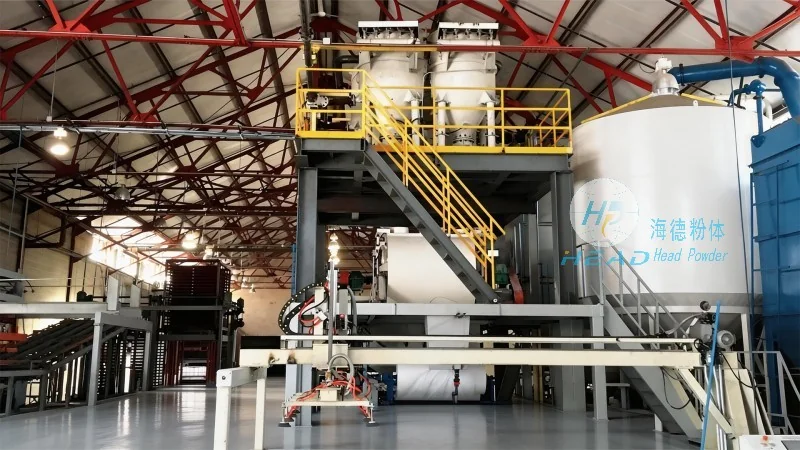
Another prevalent method is pneumatic conveying, which utilizes air pressure to move asbestos powder through a pipeline. This method offers advantages such as flexibility in layout, ability to handle large volumes over long distances, and reduced risk of material spillage. Pneumatic systems can be categorized into positive displacement and pressure differential types. Positive displacement systems, like rotary lobe blowers, are ideal for conveying abrasive or high-density materials, as they provide consistent air flow and pressure. Pressure differential systems, on the other hand, rely on vacuum to draw material into the pipeline, which can be more energy-efficient for shorter distances. When implementing pneumatic conveying for asbestos powder, it is vital to incorporate effective dust collection and filtration systems to prevent airborne contamination and ensure compliance with safety regulations.
Specialized Equipment for Safe Asbestos Powder Handling
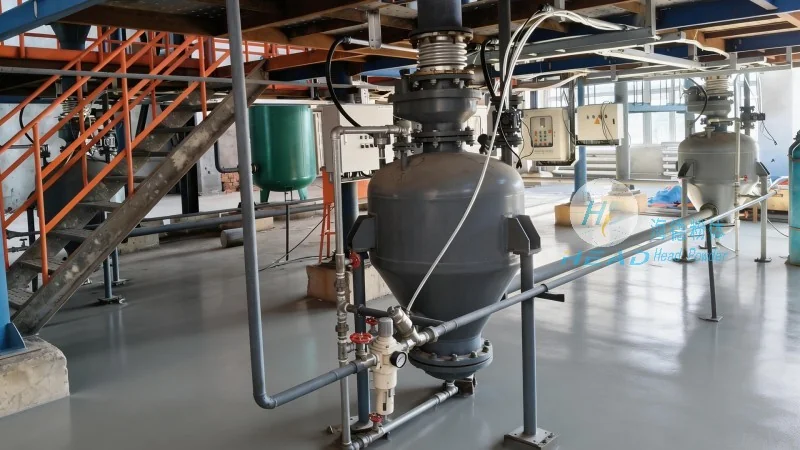
Given the hazardous nature of asbestos, specialized equipment is often required to ensure safe and efficient conveying. For instance, some systems may incorporate enclosed or sealed conveyor designs to minimize dust exposure. These designs typically feature airtight enclosures with integrated dust collection ports, allowing for continuous filtration of airborne particles. Additionally, some conveying systems may include vibration or agitation mechanisms to prevent material buildup and clogging, which is particularly important for fine asbestos powders that tend to settle and adhere to surfaces. Shandong HeadPowder Engineering Co., Ltd., with its expertise in industrial engineering, offers customized solutions that integrate these specialized features, ensuring compliance with safety standards while optimizing operational performance.
Choosing the Right Conveying System: A Professional Approach
Selecting the appropriate conveying method for asbestos powder requires a thorough assessment of operational needs and safety considerations. It is recommended to consult with experienced engineering firms, such as Shandong HeadPowder Engineering Co., Ltd., which specializes in handling hazardous materials. These professionals can conduct on-site evaluations, analyze material characteristics, and recommend the most suitable conveying system tailored to specific requirements. By leveraging the expertise of such companies, businesses can ensure that their asbestos powder conveying operations are both efficient and compliant with industry regulations. The goal is to achieve seamless material transport while maintaining a safe working environment and minimizing the risk of exposure to asbestos fibers.