Chuyên sâu trong lĩnh vực vật liệu rời công nghiệp, cung cấp giải pháp môi trường thông minh tích hợp cho phối trộn tự động, cấp liệu tập trung, khử lưu huỳnh và khử nitơ khô!
When it comes to industrial dust management and material transport, the design of an efficient gravity dust removal and pneumatic conveying system is crucial for optimizing operational efficiency and ensuring environmental compliance. This article will explore the key considerations and steps involved in designing a rational gravity dust removal pneumatic conveying system, with a focus on practical applications and technical insights.

Understanding the Core Components of a Gravity Dust Removal Pneumatic Conveying System
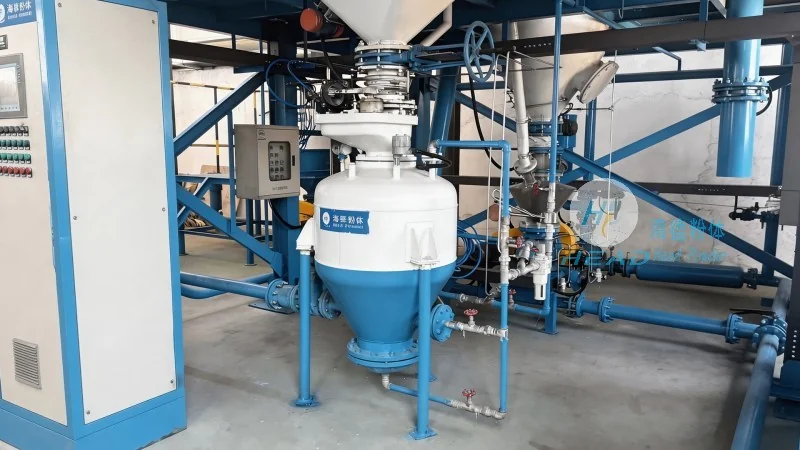
A gravity dust removal pneumatic conveying system typically integrates two main components: a gravity dust collector and a pneumatic conveying line. The gravity dust collector is responsible for separating larger dust particles from the air stream, while the pneumatic conveying system transports the remaining fine dust particles through a network of pipes. The design of each component must be carefully tailored to the specific characteristics of the material being handled, such as particle size, density, and moisture content.
Key Design Factors for Gravity Dust Removal
Several critical factors must be considered when designing the gravity dust removal section of the system. The first is the selection of the appropriate dust collector type, which can include cyclone separators, bag filters, or electrostatic precipitators, depending on the dust properties and required removal efficiency. The size and number of dust collectors are determined by the airflow rate and the dust load, ensuring that the system can handle the expected volume of air and particulate matter without excessive pressure drop or energy consumption. Additionally, the placement of the dust collector relative to the source of dust generation is important to minimize the distance the air travels before being cleaned, reducing the risk of dust re-entrainment and improving overall system performance.

Design Considerations for Pneumatic Conveying Systems
The pneumatic conveying section of the system requires careful consideration of several technical parameters to ensure reliable and efficient material transport. The first is the choice of conveying method, which can be either positive pressure (blower-driven) or negative pressure (vacuum-driven), each with its own advantages and limitations depending on the application. Positive pressure systems are generally more suitable for long-distance or high-capacity transport, as they can maintain consistent pressure and flow rates, while negative pressure systems are better for short-distance or low-volume applications where dust containment is a priority. The selection of the conveying line material is also critical, as it must be resistant to corrosion, abrasion, and temperature variations, ensuring long-term durability and preventing material degradation or system failure.
System Sizing and Flow Rate Calculations
Accurate system sizing is essential for the successful operation of a gravity dust removal pneumatic conveying system. This involves calculating the required airflow rate based on the dust load and the desired removal efficiency of the gravity dust collector. The airflow rate is typically determined by the material's bulk density, particle size distribution, and the system's pressure drop. The pressure drop across the system components, including the dust collector, conveying line, and any fittings or valves, must be minimized to reduce energy consumption and maintain consistent material flow. Proper sizing also involves selecting the appropriate blower or vacuum pump capacity to meet the system's pressure and flow requirements, ensuring that the system operates within its optimal performance range.
Integration and Control Systems
The integration of the gravity dust removal and pneumatic conveying components is a critical aspect of system design, as it ensures smooth operation and efficient material handling. The control system should include sensors and monitoring devices to track key parameters such as airflow rate, pressure, and dust concentration, allowing for real-time adjustments and troubleshooting. Automated controls can also be implemented to optimize system performance, such as adjusting the blower speed based on the dust load or activating additional dust collectors when the system is operating at high capacity. Proper integration ensures that the system operates efficiently and reliably, minimizing downtime and maintenance costs.
Material Handling and Environmental Compliance

When designing a gravity dust removal pneumatic conveying system, it is important to consider the environmental impact and compliance with local regulations. The system should be designed to minimize dust emissions and ensure that the collected dust is properly handled and disposed of. This may involve incorporating dust collection bags or filters that meet specific emission standards, as well as implementing proper ventilation and exhaust systems to prevent the release of airborne particles into the environment. Additionally, the system should be designed to handle the specific material properties, such as abrasive or corrosive materials, to prevent equipment wear and maintain system integrity over time.
Case Study: A Practical Application by Shandong HeadPowder Engineering Co., Ltd.
Shandong HeadPowder Engineering Co., Ltd., a leading provider of industrial dust management solutions, has extensive experience in designing and implementing gravity dust removal pneumatic conveying systems for various industries. One recent project involved the design of a system for a cement manufacturing plant, where the goal was to improve dust removal efficiency and reduce material loss during transport. The system included a large cyclone dust collector and a positive pressure pneumatic conveying line, with the design optimized for the high-volume, abrasive nature of the cement particles. The result was a significant reduction in dust emissions and improved material handling efficiency, demonstrating the effectiveness of a well-designed gravity dust removal pneumatic conveying system.

 Shandong Headpowder Engineering Co., Ltd.
 156-6277-7102(Quản lý Trương)
  0531-83386006
  Thành phố Tế Nam, Tỉnh Sơn Đông, Trung Quốc
Điện thoại
WeChatTư vấn
Lên đầu