Chuyên sâu trong lĩnh vực vật liệu rời công nghiệp, cung cấp giải pháp môi trường thông minh tích hợp cho phối trộn tự động, cấp liệu tập trung, khử lưu huỳnh và khử nitơ khô!
When it comes to handling and transporting glycine—a critical amino acid used in pharmaceuticals, food additives, and industrial applications—designing an efficient and reliable pneumatic conveying system is paramount. The success of such a system hinges on careful planning, proper equipment selection, and adherence to industry best practices. This article explores the key considerations and steps involved in designing a reasonable glycine pneumatic conveying system, with insights from Shandong HeadPowder Engineering Co., Ltd., a leading provider in the field.
About HeadPowder: Your Trusted Partner in Pneumatic Conveying Solutions
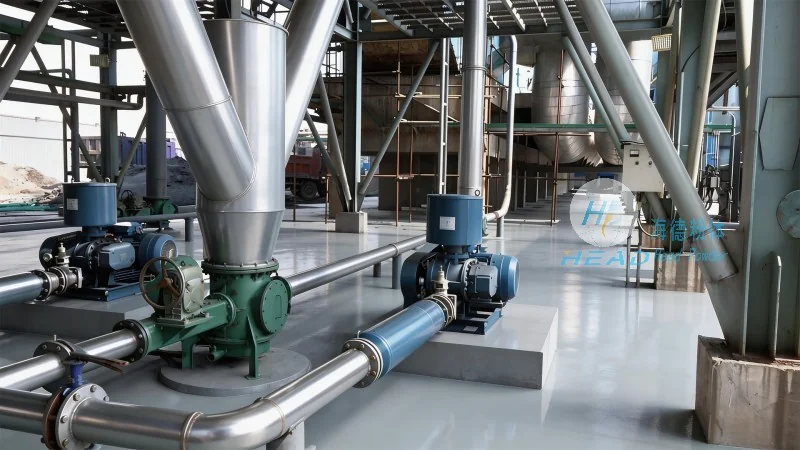
HeadPowder, the abbreviation for Shandong HeadPowder Engineering Co., Ltd., is a professional engineering firm based in Shandong, China. With years of experience in the powder handling industry, HeadPowder specializes in designing, manufacturing, and implementing customized pneumatic conveying systems tailored to the unique needs of clients. The company’s expertise spans various industries, including pharmaceuticals, food, chemicals, and more, ensuring that every project is handled with precision and expertise.
Key Factors in Designing a Glycine Pneumatic Conveying System

The first step in designing a glycine pneumatic conveying system is to determine the appropriate conveying type. There are two main categories: dilute-phase and dense-phase systems. Dilute-phase systems use high air velocity to transport particles in a dispersed state, while dense-phase systems use lower air velocity and higher pressure to move material in a slurry-like state. For glycine, which is a fine powder with low bulk density, a dilute-phase system is often preferred due to its efficiency and lower energy consumption. However, the choice depends on the specific application, such as the distance to be covered, the required material flow rate, and the need for product containment.

Equipment selection is another critical aspect. The system typically includes a feeder (to control the flow of glycine), a blower or compressor (to provide the necessary air pressure), a conveying line (made of materials resistant to corrosion and abrasion, such as stainless steel or PTFE-coated pipes), and a receiver (to collect the material at the destination). The feeder must be capable of handling fine powders without clogging, while the blower must offer consistent pressure and flow rates. For glycine, which is hygroscopic (absorbs moisture from the air), the system should incorporate moisture control measures, such as drying the air or using sealed containers, to prevent clumping and ensure product quality.
Pipeline design is also essential. The diameter and length of the conveying line affect the system’s performance. A larger diameter reduces friction losses but increases cost, while a smaller diameter is more economical but may require higher air velocity to maintain flow. The line should be laid out to minimize bends and vertical lifts, as these can cause pressure drops and material degradation. Additionally, the use of smooth, non-porous materials prevents particle buildup and ensures easy cleaning and maintenance.
Gas source selection is crucial for maintaining system efficiency and product integrity. Compressed air or nitrogen can be used as the conveying medium. Compressed air is more common due to its availability and lower cost, but it may introduce moisture, which can affect glycine’s properties. Nitrogen, on the other hand, is dry and inert, making it ideal for hygroscopic materials like glycine. The choice depends on the application’s requirements, budget, and environmental considerations.
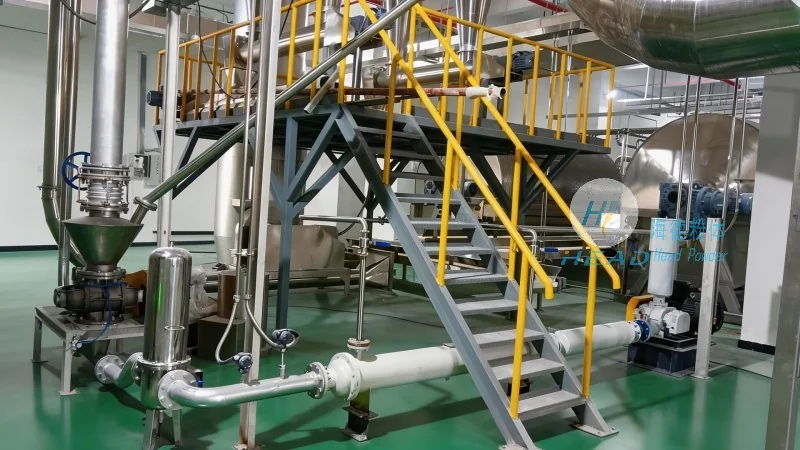
Step-by-Step Guide to Designing a Glycine Pneumatic Conveying System
Designing a glycine pneumatic conveying system involves a systematic approach to ensure optimal performance and reliability. The following steps outline the process, as recommended by HeadPowder:

 Shandong Headpowder Engineering Co., Ltd.
 156-6277-7102(Quản lý Trương)
  0531-83386006
  Thành phố Tế Nam, Tỉnh Sơn Đông, Trung Quốc
Điện thoại
WeChatTư vấn
Lên đầu