Chuyên sâu trong lĩnh vực vật liệu rời công nghiệp, cung cấp giải pháp môi trường thông minh tích hợp cho phối trộn tự động, cấp liệu tập trung, khử lưu huỳnh và khử nitơ khô!
When designing a pneumatic conveying system for manganese silicate, it is crucial to consider various factors to ensure efficiency, reliability, and cost-effectiveness. The system must be tailored to the specific characteristics of the material, such as its density, flowability, and particle size distribution. This article provides a comprehensive guide to designing a reasonable manganese silicate pneumatic conveying system, incorporating key considerations from the perspective of Shandong HeadPowder Engineering Co., Ltd., a leading provider in the field.

About Shandong HeadPowder Engineering Co., Ltd.
Shandong HeadPowder Engineering Co., Ltd., commonly known as HeadPowder, is a professional engineering company based in Shandong, China. With years of experience in material handling and conveying systems, HeadPowder specializes in designing and implementing customized solutions for various industrial applications, including the handling of manganese silicate and other fine powders. The company's expertise lies in optimizing system performance through careful analysis of material properties and operational requirements.
System Selection and Design Principles
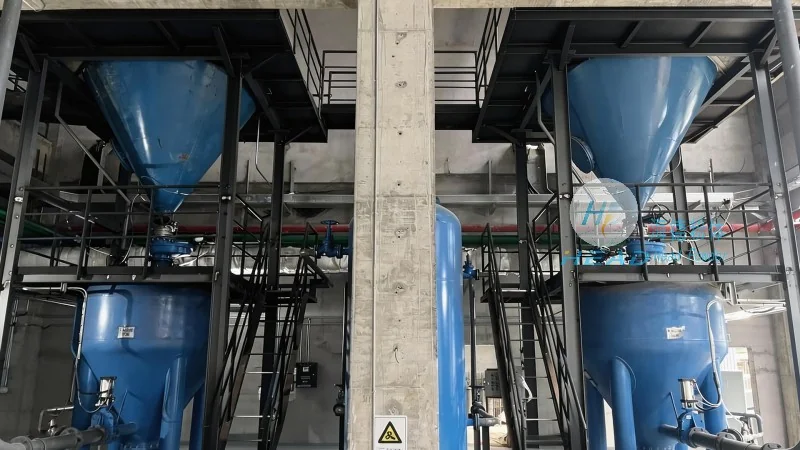
The first step in designing a manganese silicate pneumatic conveying system is to determine the appropriate conveying method based on the material's characteristics and the distance to be covered. For manganese silicate, which is typically a fine powder with moderate flowability, a positive pressure system is often preferred. This system uses a blower or compressor to generate pressure and move the material through a network of pipes. The design must consider the pressure drop across the system, which is influenced by factors like pipe diameter, length, and the number of bends. Proper sizing of the air supply equipment is essential to maintain consistent flow rates and prevent material degradation.
Pipeline Design and Layout
The layout of the conveying pipeline is critical to the system's efficiency. The pipeline should be designed to minimize pressure losses and avoid areas where material can settle or accumulate. For manganese silicate, which can be prone to caking or bridging, the use of inclined pipes and appropriate fittings is recommended. The pipe diameter is determined based on the material's flow rate and the required velocity to prevent particle deposition. HeadPowder engineers typically use computational fluid dynamics (CFD) simulations to model the flow and optimize the pipeline design, ensuring that the system operates within safe and efficient parameters.
Pressure Control and Equipment Selection
Controlling the pressure within the system is vital to maintain consistent material transport. The air supply equipment, such as rotary lobe blowers or centrifugal fans, must be selected based on the system's required air volume and pressure. For manganese silicate, which may have varying particle sizes, the blower's capacity should be sufficient to handle the material's specific gravity and flow characteristics. The system may also include pressure relief valves and filters to protect equipment from overpressure and to maintain air quality. HeadPowder recommends regular maintenance of the air supply equipment to ensure optimal performance and longevity.
System Maintenance and Optimization

Regular maintenance is essential to keep the manganese silicate pneumatic conveying system running smoothly. This includes cleaning the pipeline, replacing filters, and inspecting the air supply equipment for wear and tear. HeadPowder provides comprehensive maintenance services to clients, ensuring that the system operates at peak efficiency. Additionally, ongoing monitoring of system performance, such as pressure and flow rates, can help identify potential issues before they become major problems. By implementing these maintenance practices, the system's lifespan can be extended, and operational costs can be reduced.
Conclusion
Designing a reasonable manganese silicate pneumatic conveying system requires a thorough understanding of the material's properties and careful consideration of system design principles. With the expertise of Shandong HeadPowder Engineering Co., Ltd., companies can implement efficient and reliable conveying systems that meet their specific needs. By following the guidelines outlined in this article, engineers can optimize the performance of their pneumatic conveying systems, ensuring consistent material transport and minimizing downtime.

 Shandong Headpowder Engineering Co., Ltd.
 156-6277-7102(Quản lý Trương)
  0531-83386006
  Thành phố Tế Nam, Tỉnh Sơn Đông, Trung Quốc
Điện thoại
WeChatTư vấn
Lên đầu