Chuyên sâu trong lĩnh vực vật liệu rời công nghiệp, cung cấp giải pháp môi trường thông minh tích hợp cho phối trộn tự động, cấp liệu tập trung, khử lưu huỳnh và khử nitơ khô!
When it comes to handling and transporting rare earth powders, selecting the right conveying method is crucial for maintaining product integrity, efficiency, and safety. The unique properties of rare earth materials, such as their fine particle size, hygroscopic nature, and potential for dust generation, demand specialized equipment and techniques. This article explores common rare earth powder conveying methods, with a focus on the benefits and applications of pneumatic conveying systems.

HeadPowder's Expertise in Rare Earth Powder Handling
Shandong HeadPowder Engineering Co., Ltd., commonly known as HeadPowder, is a leading provider of engineering solutions for powder handling and material transport. With operations based in Shandong, China, HeadPowder specializes in designing and manufacturing systems tailored to the specific needs of industries dealing with rare earth elements. The company's expertise lies in understanding the challenges associated with rare earth powders, including their tendency to agglomerate, react with moisture, and create dust hazards. By leveraging years of experience in the field, HeadPowder offers customized solutions that ensure reliable and efficient material transport while minimizing operational risks.

Common Conveying Methods for Rare Earth Powders
Several methods are commonly used for transporting rare earth powders, each with its own advantages and limitations. Traditional mechanical systems, such as screw conveyors and vibrating feeders, are widely employed for short-distance transport and bulk material handling. However, these methods may not be suitable for all applications, especially when dealing with fine powders that are prone to clogging or when high-purity transport is required. Pneumatic conveying, on the other hand, has emerged as a preferred solution for many rare earth processing facilities due to its ability to handle delicate powders without mechanical contact.
Pneumatic Conveying: Advantages and Applications
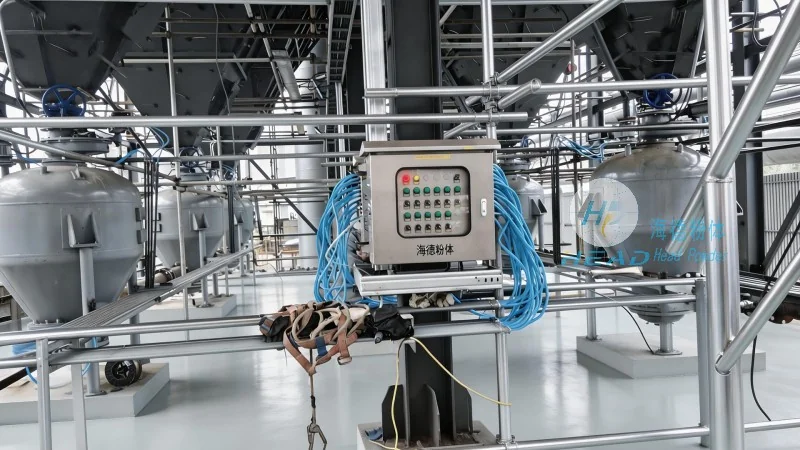
Pneumatic conveying systems utilize air or other gases to transport powders through a network of pipes. This method offers several key advantages for rare earth powder handling. First, it eliminates the need for mechanical components that could cause contamination or damage to the product. Second, pneumatic systems can transport powders over long distances with minimal degradation, making them ideal for large-scale operations. Third, they provide excellent control over the flow rate and pressure, allowing for precise dosing and mixing. For rare earth powders, which are often sensitive to moisture and temperature, pneumatic conveying can be equipped with drying or temperature control features to maintain product quality. HeadPowder's rare earth powder pneumatic conveying systems are designed to meet these requirements, incorporating features such as positive pressure or negative pressure operation, depending on the specific application and material characteristics.
Choosing the Right Conveying System for Your Needs
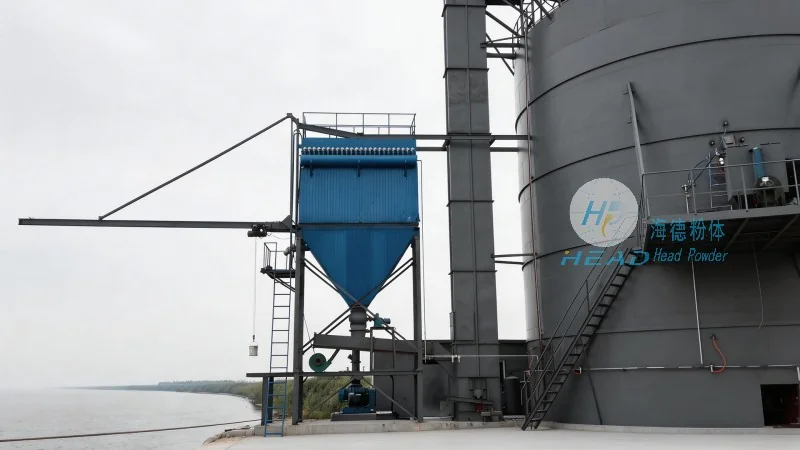
The choice of conveying method depends on several factors, including the type of rare earth material, the required transport distance, the desired level of product purity, and the available space. For short distances and moderate volumes, mechanical systems like screw conveyors may be sufficient. However, for long-distance transport or when handling fine, hygroscopic powders, pneumatic conveying is often the superior choice. When selecting a system, it is essential to consider the potential for dust generation and the need for environmental control. Pneumatic systems can be equipped with dust collection and filtration systems to comply with safety and regulatory standards. Additionally, the system's scalability and adaptability to future production changes should be evaluated. HeadPowder's team of engineers works closely with clients to assess these factors and recommend the most appropriate conveying solution, ensuring optimal performance and cost-effectiveness.
Conclusion
In conclusion, the effective handling of rare earth powders requires careful consideration of the material's properties and the operational requirements of the facility. While various conveying methods are available, pneumatic conveying stands out as a reliable and efficient solution for many applications. By leveraging the expertise of companies like Shandong HeadPowder Engineering Co., Ltd., industries can ensure that their rare earth powder transport systems are designed to meet the highest standards of performance, safety, and product integrity. Whether for short or long-distance transport, HeadPowder's solutions provide the flexibility and reliability needed to support the growing demand for rare earth materials in modern industries.

 Shandong Headpowder Engineering Co., Ltd.
 156-6277-7102(Quản lý Trương)
  0531-83386006
  Thành phố Tế Nam, Tỉnh Sơn Đông, Trung Quốc
Điện thoại
WeChatTư vấn
Lên đầu