Chuyên sâu trong lĩnh vực vật liệu rời công nghiệp, cung cấp giải pháp môi trường thông minh tích hợp cho phối trộn tự động, cấp liệu tập trung, khử lưu huỳnh và khử nitơ khô!
When it comes to transporting calcium oxide, selecting the right method is crucial for efficiency, safety, and cost-effectiveness. Calcium oxide, also known as quicklime, is a highly reactive and abrasive material that requires specialized handling to prevent dust generation and equipment wear. The choice of conveying system depends on factors such as material properties, distance, volume, and operational environment. In this article, we will explore common calcium oxide conveying methods, with a focus on pneumatic conveying, which is widely used for its flexibility and ability to handle fine powders like calcium oxide.

Understanding Calcium Oxide and Its Handling Challenges
Calcium oxide (CaO) is a white, caustic, and hygroscopic powder that readily reacts with water to form calcium hydroxide and releases heat. Due to its high reactivity and fine particle size, calcium oxide can be challenging to handle in bulk. Traditional methods like belt conveyors or screw conveyors may not be suitable because they can cause dust accumulation, material degradation, and increased wear on equipment. Therefore, specialized conveying systems are essential to ensure safe and efficient transport of calcium oxide from production sites to processing facilities or storage areas.
Common Calcium Oxide Conveying Methods
Several methods are commonly used for calcium oxide transport, each with its own advantages and limitations. The primary options include:

Pneumatic Conveying: This method uses air or other gases to transport calcium oxide particles through a pipeline. Pneumatic systems can be classified as pressure or vacuum types, with pressure systems typically used for short to medium distances and vacuum systems for longer distances or when the material needs to be drawn from a source.
Mechanical Conveyors: While less common for fine powders due to dust and wear issues, mechanical conveyors like bucket elevators or chain conveyors may be used in certain applications where the material is less abrasive or in combination with dust control measures.
Hydraulic Conveying: This method involves transporting calcium oxide in a slurry with water or other liquids. Hydraulic systems are suitable for high-volume, long-distance transport but require additional equipment for slurry handling and dewatering.
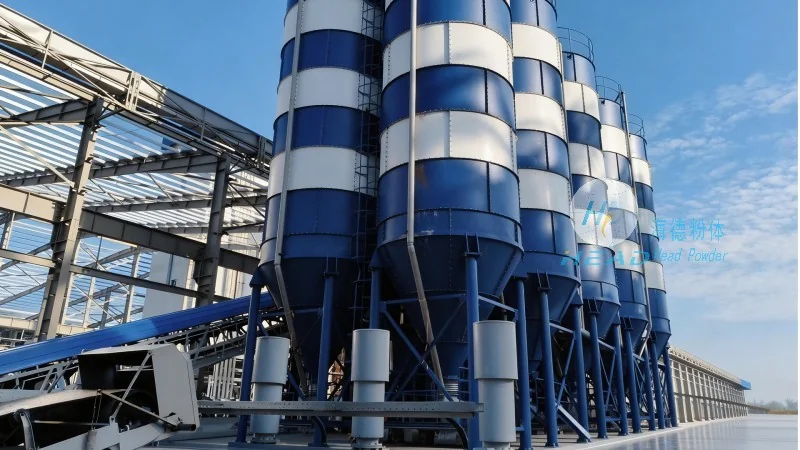
Pneumatic Conveying: The Preferred Method for Calcium Oxide
Pneumatic conveying stands out as the most popular method for calcium oxide due to its ability to handle fine powders without the need for mechanical contact. In a pneumatic system, calcium oxide is introduced into a pipeline and carried by a stream of air. The system can be designed as a dilute-phase or dense-phase system. Dilute-phase systems use higher air velocities to keep particles suspended, suitable for short distances and low to medium material loads. Dense-phase systems use lower air velocities and higher material concentrations, ideal for longer distances and high material loads, reducing the risk of blockages and ensuring consistent flow.
For calcium oxide, a dense-phase pneumatic conveying system is often preferred because it minimizes dust generation and provides better control over material flow. The system typically includes a hopper, a feeder, a pipeline, and a receiver. The hopper stores the calcium oxide, and the feeder controls the flow rate. The pipeline transports the material, while the receiver collects it at the destination. This setup ensures that calcium oxide is conveyed safely and efficiently, with minimal risk of contamination or equipment damage.
Key Considerations for Calcium Oxide Conveying Systems
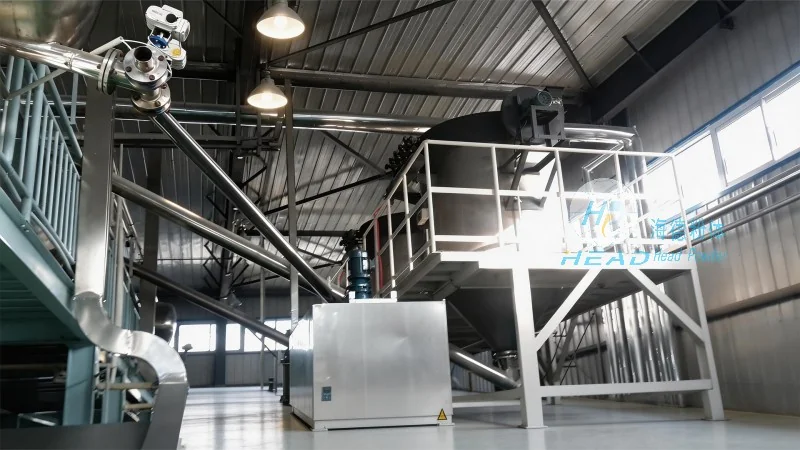
When selecting a calcium oxide conveying system, several factors must be considered to ensure optimal performance and longevity. First, the material's properties, such as particle size, moisture content, and reactivity, must be evaluated. Calcium oxide's fine particle size and hygroscopic nature mean that dust control is critical. The system should include features like dust collection and filtration to prevent environmental contamination and maintain air quality. Second, the distance and volume of material to be transported are important. Pneumatic systems are well-suited for both short and long distances, while mechanical or hydraulic systems may be more appropriate for very high volumes or specific operational requirements.
Third, the cost and maintenance requirements of the system should be considered. Pneumatic systems, while initially more expensive than some mechanical options, offer long-term cost savings due to lower maintenance and reduced equipment wear. The choice of materials for the pipeline and components is also crucial, as calcium oxide is abrasive and can cause wear on metal surfaces. High-quality materials like stainless steel or specialized coatings are often used to extend the system's lifespan.
Conclusion
Choosing the right calcium oxide conveying method is essential for efficient and safe material handling. Pneumatic conveying, particularly dense-phase systems, is widely regarded as the most effective method for transporting calcium oxide due to its ability to handle fine powders, minimize dust, and provide consistent flow. By considering factors such as material properties, distance, and operational requirements, companies can select a conveying system that meets their needs while ensuring compliance with safety and environmental regulations. For businesses dealing with calcium oxide, investing in a well-designed pneumatic conveying system can lead to improved productivity, reduced downtime, and lower operational costs.

 Shandong Headpowder Engineering Co., Ltd.
 156-6277-7102(Quản lý Trương)
  0531-83386006
  Thành phố Tế Nam, Tỉnh Sơn Đông, Trung Quốc
Điện thoại
WeChatTư vấn
Lên đầu