Chuyên sâu trong lĩnh vực vật liệu rời công nghiệp, cung cấp giải pháp môi trường thông minh tích hợp cho phối trộn tự động, cấp liệu tập trung, khử lưu huỳnh và khử nitơ khô!
When it comes to handling fly ash, selecting the right conveying method is crucial for efficiency and safety. Fly ash, a byproduct of coal combustion, requires specialized transport solutions to ensure proper management and disposal. The choice of conveying method depends on factors such as the ash's characteristics, the distance to be covered, and the operational environment. In this article, we will explore the common fly ash conveying methods, with a focus on the advantages and applications of pneumatic conveying systems.
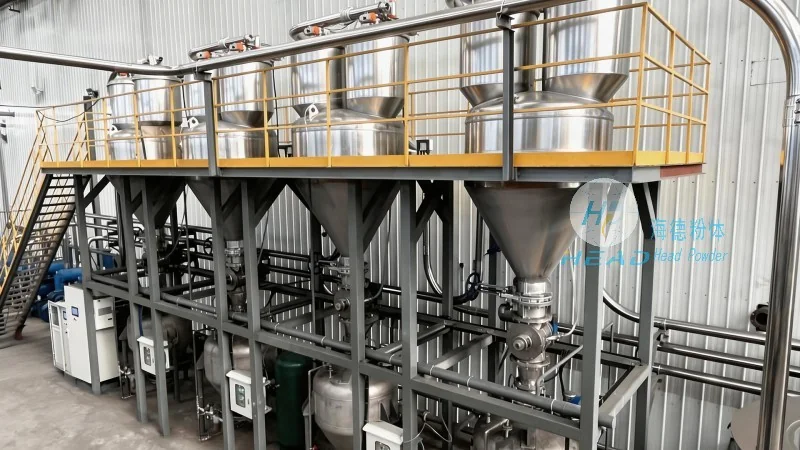
Pneumatic Conveying: The Preferred Method for Fly Ash Transport
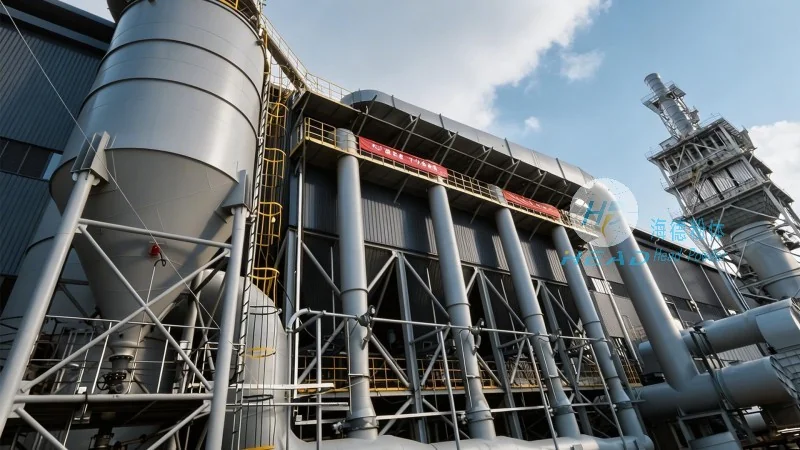
HeadPowder, a leading provider of industrial conveying solutions, specializes in pneumatic systems for fly ash transport. Pneumatic conveying uses compressed air or gas to move material through a pipeline. This method is particularly effective for fly ash due to its ability to handle fine particles and maintain a consistent flow. The system typically consists of a hopper, a rotary valve, a conveying line, and a receiver. The compressed air creates a negative pressure in the line, drawing the fly ash from the source and transporting it to the destination. Pneumatic conveying offers several advantages, including high efficiency, low maintenance, and the ability to transport materials over long distances without the need for intermediate storage.
Other Conveying Methods and Their Limitations
While pneumatic conveying is widely used, other methods are also employed in certain scenarios. Gravity conveying, for example, relies on the natural slope of the material to move it from one point to another. This method is suitable for short distances and when the ash has a high bulk density. However, it is limited by the need for a steep incline and is not suitable for fine particles that may settle or clog the system. Mechanical conveying, such as belt conveyors or screw conveyors, uses mechanical components to move the ash. These systems are effective for bulk materials but may require more maintenance and are less efficient for fine particles compared to pneumatic systems.
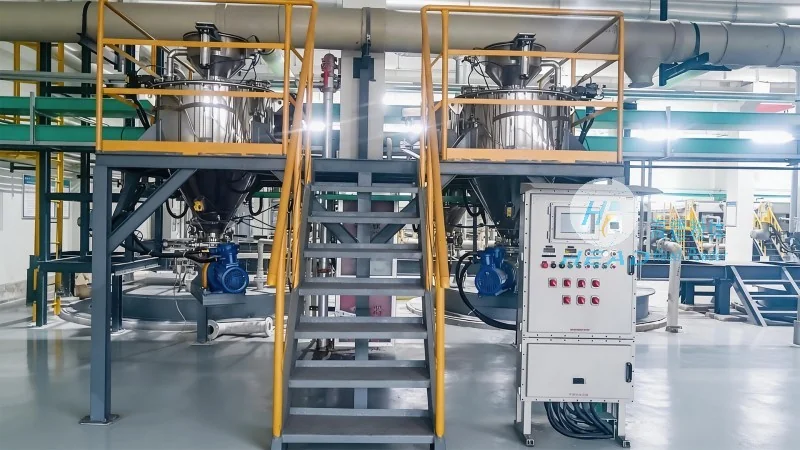
Key Features of HeadPowder's Pneumatic Conveying Solutions
HeadPowder's pneumatic conveying systems are designed to meet the specific needs of fly ash handling. The company, based in Shandong, China, leverages advanced technology to ensure reliable and efficient transport. Their systems are equipped with features such as adjustable air pressure, variable speed control, and material flow monitoring. These features help optimize the conveying process and minimize downtime. Additionally, HeadPowder's solutions are built to withstand the corrosive nature of fly ash, ensuring long-term durability and performance.

Conclusion: Choosing the Right Conveying Method for Fly Ash
For effective fly ash management, selecting the appropriate conveying method is essential. Pneumatic conveying, as highlighted by HeadPowder, offers a superior solution for many applications due to its efficiency and adaptability. By understanding the characteristics of the material and the operational requirements, industrial facilities can choose the best conveying method to ensure safe and efficient transport. HeadPowder's expertise in pneumatic systems provides a reliable option for companies seeking to optimize their fly ash handling processes.

 Shandong Headpowder Engineering Co., Ltd.
 156-6277-7102(Quản lý Trương)
  0531-83386006
  Thành phố Tế Nam, Tỉnh Sơn Đông, Trung Quốc
Điện thoại
WeChatTư vấn
Lên đầu