Chuyên sâu trong lĩnh vực vật liệu rời công nghiệp, cung cấp giải pháp môi trường thông minh tích hợp cho phối trộn tự động, cấp liệu tập trung, khử lưu huỳnh và khử nitơ khô!
Fiber materials, such as wood chips, paper pulp, and other fibrous substances, are widely used in various industries including paper manufacturing, biomass energy, and chemical processing. Efficient and reliable material handling is crucial for optimizing production processes and ensuring product quality. Among the various conveying methods available, pneumatic conveying stands out as a preferred solution for transporting fiber materials due to its unique advantages and features.

Introduction to Fiber Material Conveying Methods
Fiber material conveying involves the movement of fibrous materials from one location to another within industrial facilities. Traditional methods like belt conveyors, screw conveyors, and bucket elevators have been widely used, but they often face challenges when handling fine or abrasive fiber materials. These conventional systems may suffer from material buildup, blockages, and increased maintenance requirements, which can impact operational efficiency and safety.
Common Conveying Methods for Fiber Materials
Several conventional conveying methods are employed in the handling of fiber materials. Belt conveyors are commonly used for transporting bulk fiber materials over short to medium distances, but they may struggle with fine particles and require regular cleaning to prevent material accumulation. Screw conveyors, also known as auger conveyors, are suitable for transporting fibrous materials in a vertical or inclined direction, but they can cause excessive wear and tear on the material and the equipment due to friction. Bucket elevators are effective for vertical material transport but may not be ideal for handling delicate or lightweight fiber materials without causing damage.
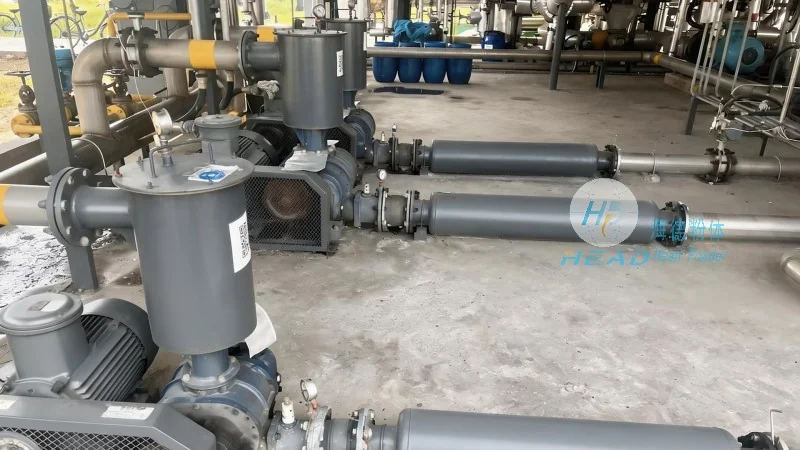
The Advantages and Features of Pneumatic Conveying for Fiber Materials
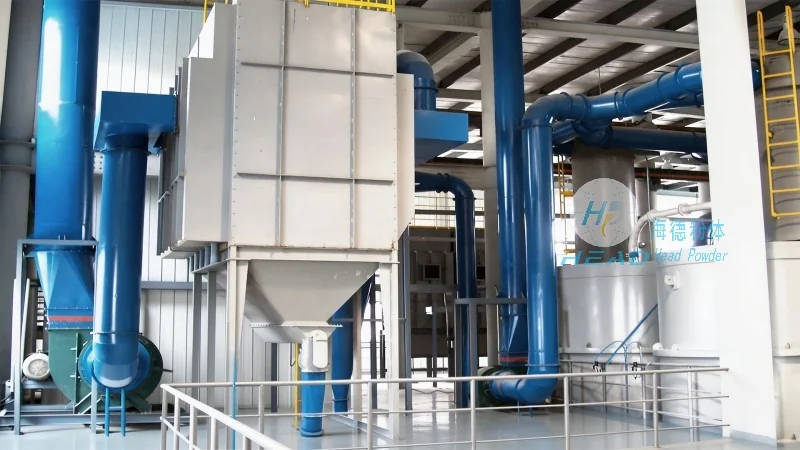
Pneumatic conveying, also known as air conveying, utilizes a pressurized or vacuum system to transport fiber materials through a pipeline. This method offers several advantages over traditional conveying systems, making it an ideal choice for handling fiber materials. One of the primary benefits is the ability to transport materials in a closed system, which minimizes dust emissions and environmental contamination. Pneumatic conveying systems can handle a wide range of fiber materials, including fine powders and coarse chips, without causing damage or degradation. Additionally, these systems provide high flexibility in terms of layout and can be easily integrated into existing production lines.
Key Features of Pneumatic Conveying Systems for Fiber Materials
Modern pneumatic conveying systems for fiber materials are equipped with advanced features that enhance their performance and reliability. These systems typically include a blower or vacuum pump to generate the necessary air pressure, a hopper or feeder to introduce the fiber material into the system, and a pipeline network to transport the material to the destination. The use of flexible hoses or rigid pipes allows for easy installation and modification of the conveying system, adapting to changing production needs. Furthermore, advanced control systems enable precise regulation of air flow and material flow, ensuring consistent and efficient operation.
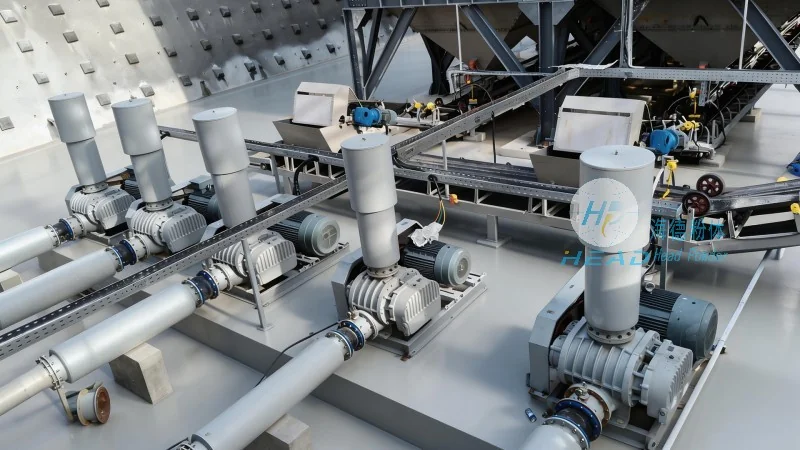
Application Scenarios and Benefits of Pneumatic Conveying in Fiber Material Handling
Pneumatic conveying is widely applied in various industrial processes involving fiber materials. In the paper industry, it is used for transporting wood chips from storage to the pulping process, ensuring a continuous and clean supply of raw materials. In biomass energy facilities, pneumatic conveying systems are employed to transport agricultural residues or wood pellets to combustion or gasification units, optimizing energy production. The benefits of using pneumatic conveying in these applications include reduced labor costs, improved safety by eliminating manual handling of materials, and enhanced product quality through minimized contamination and material degradation.
Shandong HeadPowder Engineering Co., Ltd. (headpowder), a leading provider of material handling solutions, specializes in designing and manufacturing advanced pneumatic conveying systems tailored to the specific needs of fiber material handling. With years of experience in the industry, headpowder offers customized solutions that enhance operational efficiency and product quality for clients in various sectors. The company's commitment to innovation and quality ensures that its pneumatic conveying systems meet the highest standards of performance and reliability, providing long-term value to its customers.

 Shandong Headpowder Engineering Co., Ltd.
 156-6277-7102(Quản lý Trương)
  0531-83386006
  Thành phố Tế Nam, Tỉnh Sơn Đông, Trung Quốc
Điện thoại
WeChatTư vấn
Lên đầu