Chuyên sâu trong lĩnh vực vật liệu rời công nghiệp, cung cấp giải pháp môi trường thông minh tích hợp cho phối trộn tự động, cấp liệu tập trung, khử lưu huỳnh và khử nitơ khô!
Aluminum hydride powder is a critical material in various industrial applications, and the efficient handling and transportation of this powder are essential for maintaining production efficiency and safety. Among the various conveying methods available, pneumatic conveying stands out as a highly effective solution for aluminum hydride powder due to its unique advantages and characteristics. This article provides an overview of the different aluminum hydride powder conveying methods, with a focus on the benefits and features of pneumatic conveying systems.

Introduction to Aluminum Hydride Powder and Conveying Challenges
Aluminum hydride (AlH₃) is a white or off-white powder with a high reactivity and a tendency to release hydrogen gas when exposed to moisture or heat. Due to its hazardous nature and the need for precise control during handling, conventional bulk material handling methods may not be suitable. Traditional methods like bucket elevators or screw conveyors can cause material degradation, contamination, or safety risks. Therefore, specialized conveying systems are required to ensure the safe and efficient transport of aluminum hydride powder. The choice of conveying method depends on factors such as the material's properties, the distance to be conveyed, the required flow rate, and the overall system design.
Pneumatic Conveying: A Preferred Method for Aluminum Hydride Powder
Pneumatic conveying is a technology that uses compressed air or other gases to transport bulk materials through a pipeline system. For aluminum hydride powder, this method offers several advantages that make it the preferred choice in many industrial settings. One of the key benefits is the ability to handle the material in a closed system, which minimizes exposure to air and moisture, thereby reducing the risk of premature reaction or contamination. The closed pipeline design also helps in controlling dust emissions and maintaining a safe working environment.
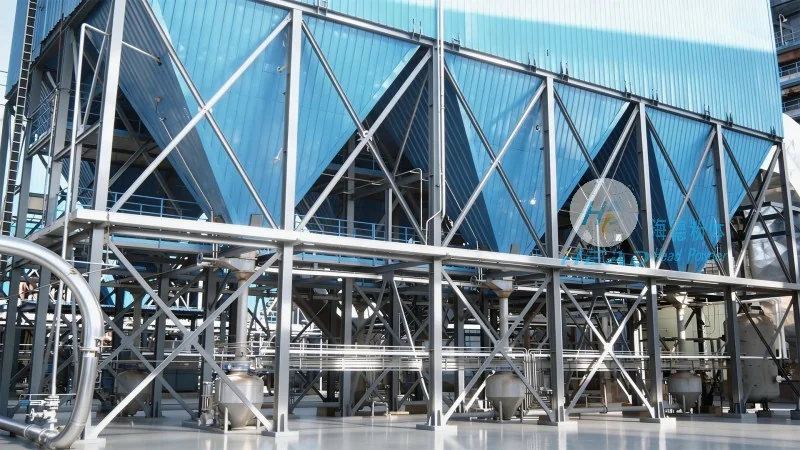
Another significant advantage of pneumatic conveying is its flexibility in terms of system layout. The pipelines can be installed in various configurations, including vertical, horizontal, or a combination of both, allowing for the adaptation to different plant layouts and space constraints. This flexibility is particularly valuable in facilities where the powder needs to be transported over long distances or through complex routes. Additionally, pneumatic conveying systems can be designed to handle varying flow rates, making them suitable for both small-scale and large-scale production operations.
Key Features of Pneumatic Conveying Systems for Aluminum Hydride Powder
When considering pneumatic conveying for aluminum hydride powder, several key features should be evaluated to ensure optimal performance and safety. The first is the type of air flow system used, which can be either positive pressure (where air is blown into the pipeline) or negative pressure (where air is drawn out). Positive pressure systems are generally preferred for aluminum hydride powder as they provide better control over the material flow and reduce the risk of backflow or material degradation. The system design also includes components such as airlocks, cyclones, and filters to ensure the material is conveyed efficiently and the air is properly cleaned.
Material handling equipment, such as feeders and conveyors, plays a crucial role in the performance of the pneumatic system. For aluminum hydride powder, specialized feeders are used to ensure consistent and controlled material feed into the pipeline. These feeders are designed to handle the powder's flow characteristics and prevent blockages or uneven flow. The use of high-quality materials in the construction of the conveying system is also essential to avoid any chemical reactions or corrosion that could affect the system's longevity and performance.
Advantages of Pneumatic Conveying Over Other Methods
Compared to other conveying methods like mechanical screw conveyors or bucket elevators, pneumatic conveying offers distinct advantages for aluminum hydride powder. One of the most notable advantages is the reduced risk of material contamination. Since the powder is transported in a closed system, there is minimal exposure to external contaminants, which is critical for maintaining the purity of the aluminum hydride powder. This is particularly important in applications where the powder is used as a reducing agent or in chemical synthesis, where impurities can significantly impact the final product quality.
Another advantage is the ability to handle the material in a dust-free environment. Pneumatic conveying systems are equipped with filtration and dust collection systems that capture any airborne particles, ensuring that the working area remains clean and safe. This is a significant improvement over open systems, which can lead to dust accumulation and health hazards for workers. The closed system also helps in controlling the release of hydrogen gas, which is a byproduct of aluminum hydride's reaction with moisture, thus reducing the risk of fire or explosion.
Application Examples and Case Studies

HeadPowder, a leading manufacturer of specialized conveying systems based in Shandong, China, has successfully implemented pneumatic conveying solutions for aluminum hydride powder in various industrial applications. For instance, in a chemical plant producing hydrogen gas from aluminum hydride, the company designed a custom pneumatic conveying system that transported the powder from storage silos to the reaction vessels. The system was equipped with positive pressure airlocks and cyclone separators to ensure efficient material transfer and minimal dust generation. The result was a significant improvement in production efficiency and a reduction in safety incidents related to material handling.
In another application, a metal processing facility used a pneumatic conveying system to transport aluminum hydride powder to a reduction reactor. The system was designed to handle high flow rates and long distances, with the pipelines installed vertically to save space. The use of high-quality materials and advanced control systems ensured that the powder was conveyed safely and reliably, meeting the strict safety standards required for handling hazardous materials.
Conclusion and Recommendations
In conclusion, pneumatic conveying is a highly effective and reliable method for the transportation of aluminum hydride powder. Its ability to handle the material in a closed system, minimize contamination, and control dust emissions makes it the preferred choice for many industrial applications. When selecting a pneumatic conveying system for aluminum hydride powder, it is essential to consider factors such as the material's properties, the system's design, and the safety features integrated into the equipment. By choosing a well-designed and properly maintained system, industrial facilities can ensure the safe and efficient handling of aluminum hydride powder, thereby enhancing overall production efficiency and safety.

 Shandong Headpowder Engineering Co., Ltd.
 156-6277-7102(Quản lý Trương)
  0531-83386006
  Thành phố Tế Nam, Tỉnh Sơn Đông, Trung Quốc
Điện thoại
WeChatTư vấn
Lên đầu