Chuyên sâu trong lĩnh vực vật liệu rời công nghiệp, cung cấp giải pháp môi trường thông minh tích hợp cho phối trộn tự động, cấp liệu tập trung, khử lưu huỳnh và khử nitơ khô!
Gypsum slag, a byproduct commonly generated in industrial processes such as cement production and chemical manufacturing, requires efficient and reliable transport solutions to meet modern industrial demands. The methods used for conveying gypsum slag have evolved significantly over the years, with pneumatic conveying emerging as a preferred choice for many applications due to its advantages in terms of efficiency, safety, and environmental impact. Shandong HeadPowder Engineering Co., Ltd., a leading provider of bulk material handling solutions, specializes in designing and implementing advanced pneumatic conveying systems for various industrial applications, including gypsum slag transport. With decades of experience in the field, the company has developed expertise in optimizing conveying systems to meet the unique requirements of different industries.
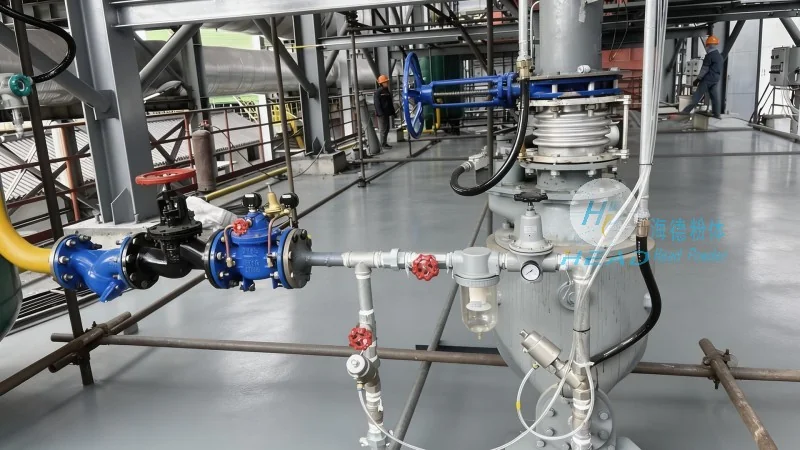
Key Gypsum Slag Conveying Methods
There are several conventional methods used for transporting gypsum slag, including mechanical conveyors like belt conveyors, screw conveyors, and bucket elevators. These systems are widely used in various industries for bulk material handling. However, they often face challenges such as material degradation, maintenance issues, and limited flexibility in layout. In contrast, pneumatic conveying systems offer a more advanced approach to handling gypsum slag, particularly in applications requiring long-distance or complex routing. The choice of conveying method depends on factors such as material characteristics, transport distance, and operational requirements.
Advantages of Gypsum Slag Pneumatic Conveying

Gypsum slag pneumatic conveying systems utilize air or other gases to transport material through a network of pipes. This method offers several distinct advantages over traditional mechanical conveyors. Firstly, it provides a dust-free and enclosed transport environment, which enhances workplace safety and reduces the risk of material contamination. Secondly, pneumatic conveying systems are highly flexible, allowing for complex routing and integration with existing industrial infrastructure without the need for extensive structural modifications. Thirdly, these systems can handle a wide range of material characteristics, including varying particle sizes and moisture content, making them suitable for diverse gypsum slag applications. Additionally, the energy efficiency of modern pneumatic conveying systems has improved significantly, contributing to lower operational costs and reduced environmental impact.
Key Features of Gypsum Slag Pneumatic Conveying

Modern gypsum slag pneumatic conveying systems are equipped with advanced features that enhance their performance and reliability. These features include variable speed drives, which allow for precise control of material flow rates and pressure, ensuring optimal system operation. Additionally, many systems incorporate filtration and dust collection units to maintain air quality and comply with environmental regulations. The use of high-quality materials, such as stainless steel or corrosion-resistant alloys, ensures durability and longevity of the conveying components, reducing maintenance requirements and extending the system's service life. Furthermore, automated control systems enable remote monitoring and operation, improving operational efficiency and reducing downtime.
Application Examples of Gypsum Slag Pneumatic Conveying
Gypsum slag pneumatic conveying is widely used in various industrial applications, including the production of gypsum products, such as drywall and plaster. In these applications, the material is transported from storage silos to processing units, where it is further processed into finished products. The enclosed and dust-free nature of pneumatic conveying ensures that the material remains clean and free from contamination, which is crucial for maintaining product quality. Another application is in the chemical industry, where gypsum slag is used as a raw material in the production of calcium sulfate. Pneumatic conveying systems efficiently transport the material from storage to the production line, ensuring consistent and reliable supply. Additionally, in cement plants, gypsum slag is often used as a supplementary cementitious material, and pneumatic conveying systems facilitate its transport from storage to the cement grinding units.

 Shandong Headpowder Engineering Co., Ltd.
 156-6277-7102(Quản lý Trương)
  0531-83386006
  Thành phố Tế Nam, Tỉnh Sơn Đông, Trung Quốc
Điện thoại
WeChatTư vấn
Lên đầu