Chuyên sâu trong lĩnh vực vật liệu rời công nghiệp, cung cấp giải pháp môi trường thông minh tích hợp cho phối trộn tự động, cấp liệu tập trung, khử lưu huỳnh và khử nitơ khô!
Grain husk, a byproduct of grain processing, requires efficient and reliable conveying systems to manage its movement within industrial facilities. The choice of conveying method significantly impacts operational efficiency, cost-effectiveness, and environmental compliance. This article explores various grain husk conveying methods, with a focus on the advantages and features of pneumatic conveying, a popular solution in the industry.
Common Grain Husk Conveying Methods
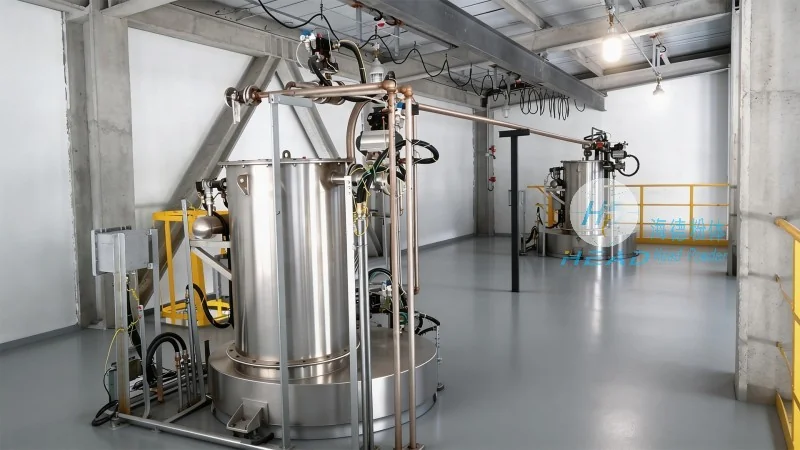
Several methods are employed for transporting grain husk, each with distinct characteristics and applications. Traditional methods include mechanical conveyors such as belt conveyors, screw conveyors, and bucket elevators. These systems are widely used due to their simplicity and low initial investment. However, they often face challenges like material buildup, wear and tear, and limited flexibility in handling varying husk properties. Another method is hydraulic conveying, which uses water or other liquids to transport husk, but this approach is less common due to its higher maintenance requirements and potential environmental concerns.
Pneumatic Conveying: A Preferred Solution for Grain Husk
Pneumatic conveying, also known as air conveying, has emerged as a leading technology for grain husk transportation. This method utilizes air pressure to move husk particles through a pipeline system. The key advantages of pneumatic conveying for grain husk include high efficiency, minimal material degradation, and the ability to handle a wide range of husk types and sizes. Unlike mechanical systems, pneumatic conveyors do not require physical contact with the material, reducing the risk of contamination and wear. This makes them ideal for transporting husk that may contain moisture or be prone to dust generation.

Key Advantages of Pneumatic Conveying for Grain Husk
Several critical advantages distinguish pneumatic conveying as the preferred choice for grain husk management. First, it offers high conveying rates, allowing for the rapid movement of large volumes of husk. This is particularly beneficial in high-throughput processing facilities where continuous operation is essential. Second, pneumatic systems provide excellent control over the conveying process, enabling precise regulation of flow rates and pressure. This control helps maintain consistent product quality and reduces the risk of overloading or underloading. Third, the enclosed pipeline design minimizes dust emissions, improving workplace safety and environmental compliance. This is a significant advantage in industries where air quality regulations are stringent.

Features and Components of Pneumatic Conveying Systems
A typical pneumatic conveying system for grain husk consists of several key components. These include a hopper or feeder to introduce the husk into the system, a blower or compressor to generate the air pressure, a pipeline network to transport the husk, and a receiver or discharge point to collect the material. The system may also incorporate features such as cyclones or filters to separate husk from air, ensuring clean operation. The choice of components depends on the specific application, including the distance to be covered, the volume of husk to be conveyed, and the desired flow rate. For example, a low-pressure system is suitable for short distances and moderate flow rates, while a high-pressure system is used for longer distances and higher throughput.
Application Examples in Grain Processing
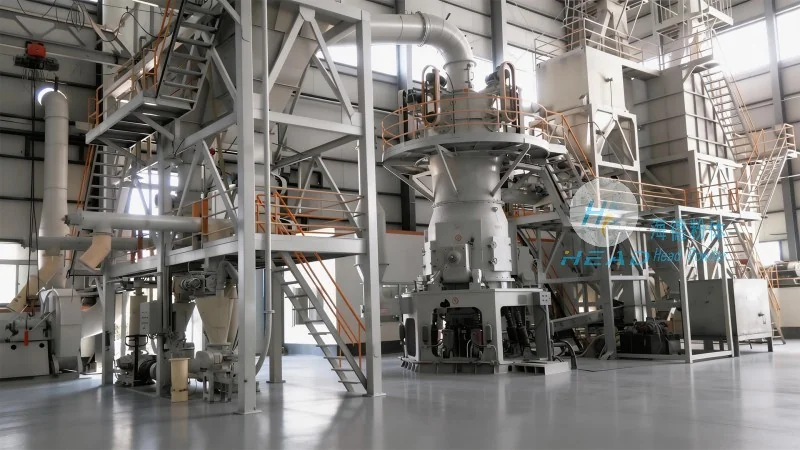
Pneumatic conveying is widely used in various stages of grain processing, from raw material handling to final product packaging. In milling operations, husk is often separated from the grain and needs to be transported to storage or processing units. Pneumatic systems efficiently handle this step, ensuring that the husk is moved without loss or contamination. Similarly, in feed production, husk may be mixed with other ingredients, and pneumatic conveying allows for seamless integration of the husk into the feed blend. The flexibility of pneumatic systems also makes them suitable for handling husk from different grain types, such as wheat, corn, or rice, without requiring significant modifications to the system.
Conclusion and Company Overview
Grain husk conveying is a critical aspect of grain processing operations, and the choice of conveying method directly impacts overall efficiency and cost. Pneumatic conveying stands out as a superior solution due to its efficiency, minimal material degradation, and environmental benefits. For businesses seeking reliable and effective grain husk management solutions, pneumatic conveying systems offer a robust and adaptable option. HeadPowder, a leading provider of engineering solutions, specializes in designing and manufacturing pneumatic conveying systems tailored to the unique needs of grain processing facilities. With a focus on quality and innovation, HeadPowder ensures that its systems meet the highest standards of performance and durability. Based in Shandong, China, HeadPowder leverages its expertise to deliver customized solutions that enhance operational efficiency and support sustainable grain processing practices.

 Shandong Headpowder Engineering Co., Ltd.
 156-6277-7102(Quản lý Trương)
  0531-83386006
  Thành phố Tế Nam, Tỉnh Sơn Đông, Trung Quốc
Điện thoại
WeChatTư vấn
Lên đầu