Chuyên sâu trong lĩnh vực vật liệu rời công nghiệp, cung cấp giải pháp môi trường thông minh tích hợp cho phối trộn tự động, cấp liệu tập trung, khử lưu huỳnh và khử nitơ khô!
Monosodium glutamate (MSG), commonly known as MSG or "flavor enhancer," is a widely used food additive in the global food industry. The efficient and safe transportation of MSG from production sites to storage or processing facilities is crucial for maintaining product quality and operational efficiency. Various conveying methods are employed in the industry, each with its own set of advantages and limitations. This article explores the different types of MSG conveying methods, with a particular focus on the benefits and characteristics of pneumatic conveying, a technology increasingly favored in modern food processing applications.

Different Conveying Methods for Monosodium Glutamate
Traditional conveying systems for MSG typically include mechanical methods such as screw conveyors, belt conveyors, and bucket elevators. These systems are widely used due to their simplicity and relatively low initial investment. However, they often face challenges when handling fine powders like MSG, including issues with dust generation, material buildup, and the need for regular maintenance. In contrast, pneumatic conveying offers a more advanced solution that addresses many of these drawbacks.
Pneumatic Conveying for Monosodium Glutamate
Pneumatic conveying uses air or other gases to transport solid materials, including powders like MSG, through a pipeline system. This method is particularly suitable for MSG due to its fine particle size and hygroscopic nature. The system typically consists of a blower, a hopper for material storage, a conveying line, and a receiver for the discharged material. The air flow creates a low-pressure zone that draws the MSG particles into the pipeline, where they are carried to the destination.

Advantages of Pneumatic Conveying for MSG
One of the primary advantages of pneumatic conveying is its ability to handle fine powders without the need for mechanical components that can cause wear and tear. Unlike screw or belt conveyors, which may lead to material degradation or contamination, pneumatic systems minimize physical contact with the product, preserving its quality and integrity. Additionally, pneumatic conveying offers excellent dust control, as the material is contained within the pipeline, reducing the risk of environmental contamination and improving workplace safety.
Another key benefit is the flexibility of the system. Pneumatic conveying can be easily integrated into existing production lines, allowing for changes in material flow direction or destination without major modifications. This adaptability is particularly valuable in dynamic food processing environments where production schedules may change frequently. Furthermore, the system can handle both short and long-distance transport, making it suitable for various facility layouts and operational needs.
Key Features and Characteristics of Pneumatic Conveying
Several distinct features make pneumatic conveying an attractive option for MSG transportation. First, the system provides a closed environment, which is critical for maintaining product purity and preventing cross-contamination. This is especially important in food processing, where hygiene standards are stringent. Second, the technology offers high efficiency in terms of material handling, as it can transport large volumes of MSG quickly and reliably. The use of air as the conveying medium also allows for gentle handling of the powder, reducing the risk of agglomeration or caking, which can occur with mechanical systems.
Moreover, pneumatic conveying systems are generally more energy-efficient compared to some mechanical alternatives, as they can utilize existing air handling infrastructure. This can lead to cost savings over time, particularly in large-scale operations. The system's ability to operate under negative pressure also helps in preventing dust emissions, contributing to a cleaner and safer working environment.
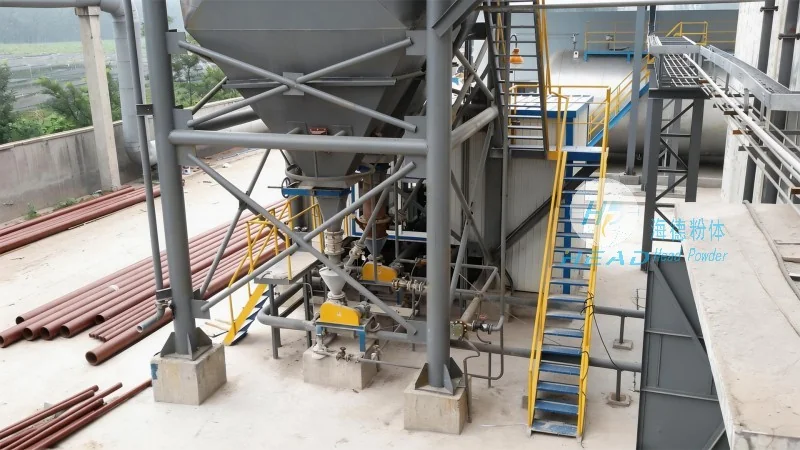
About Shandong HeadPowder Engineering Co., Ltd.
Shandong HeadPowder Engineering Co., Ltd., commonly known as HeadPowder, is a leading provider of specialized conveying solutions for the food and chemical industries. With a focus on innovation and quality, the company has developed advanced pneumatic conveying systems tailored to the unique needs of MSG and other fine powders. HeadPowder's facilities are located in Shandong, China, where the company leverages local expertise and resources to deliver reliable and efficient transportation solutions. The company's commitment to customer satisfaction and product excellence has made it a trusted partner for businesses seeking to optimize their MSG handling processes.
Conclusion
In summary, the choice of conveying method for monosodium glutamate depends on various factors, including material properties, operational requirements, and cost considerations. While traditional mechanical systems remain in use, pneumatic conveying has emerged as a superior option due to its ability to handle fine powders efficiently, maintain product quality, and ensure safety. For businesses looking to enhance their MSG transportation capabilities, pneumatic conveying offers a robust and flexible solution that aligns with modern industry standards. With the expertise and experience of companies like Shandong HeadPowder Engineering Co., Ltd., the implementation of advanced conveying systems can significantly improve operational efficiency and product integrity in the food processing sector.

 Shandong Headpowder Engineering Co., Ltd.
 156-6277-7102(Quản lý Trương)
  0531-83386006
  Thành phố Tế Nam, Tỉnh Sơn Đông, Trung Quốc
Điện thoại
WeChatTư vấn
Lên đầu