Chuyên sâu trong lĩnh vực vật liệu rời công nghiệp, cung cấp giải pháp môi trường thông minh tích hợp cho phối trộn tự động, cấp liệu tập trung, khử lưu huỳnh và khử nitơ khô!
Colored sand, a vital material in industries such as glass manufacturing, decorative coatings, and construction, requires efficient and reliable transport systems to maintain production efficiency and material quality. The choice of conveying method directly impacts operational costs, material integrity, and overall system performance. This article examines various colored sand conveying methods, with a focus on the benefits and characteristics of pneumatic conveying systems.

Common Conveying Methods for Colored Sand
Traditional colored sand conveying methods include gravity conveyors, which rely on the material's weight to move it down inclined planes, and mechanical conveyors like belt or screw conveyors. These methods are often suitable for short distances and moderate volumes but may struggle with handling fine, abrasive particles that can cause wear on equipment and degrade material quality over time.
Pneumatic Conveying: A Modern Solution for Colored Sand Transport
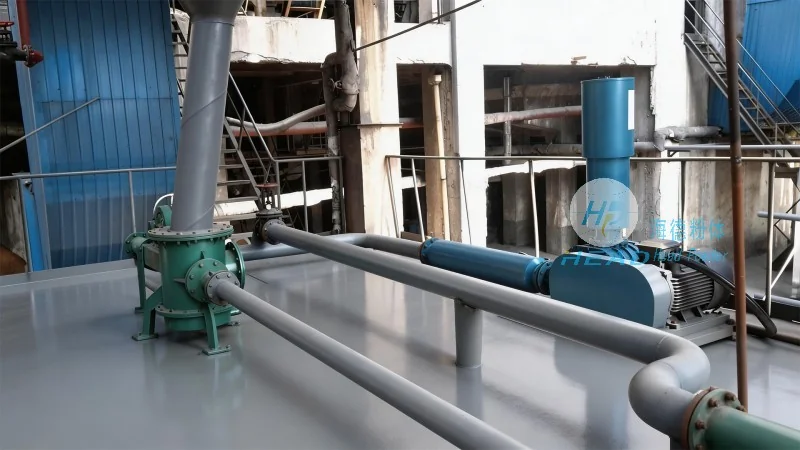
Pneumatic conveying, also known as air-based transport, has become a preferred method for colored sand due to its ability to handle delicate and abrasive materials without mechanical contact. This technology uses compressed air to move sand particles through a pipeline system, eliminating the need for moving parts that can wear out or break down. The system operates by creating a pressure differential that propels the sand through the pipeline, making it ideal for both short and long-distance transport.
Key Advantages of Pneumatic Conveying for Colored Sand
One of the primary advantages of pneumatic conveying is its minimal impact on material integrity. Unlike mechanical conveyors that can cause attrition or segregation of fine particles, pneumatic systems maintain the uniformity and quality of colored sand. This is critical in applications where the final product's appearance and performance depend on consistent pigment distribution, such as in high-end glass or premium coatings.
Another significant benefit is the system's durability and low maintenance requirements. Colored sand particles are often sharp and abrasive, which can damage traditional conveyor belts or screw mechanisms. Pneumatic systems use flexible hoses or rigid pipes lined with protective materials, reducing wear and extending equipment lifespan. This leads to lower operational costs and less downtime for maintenance.
Efficiency and flexibility are also key advantages. Pneumatic conveying systems can be easily adjusted to handle varying volumes of colored sand, allowing seamless integration into existing production lines. The modular design enables quick installation and modification, accommodating changes in production needs without major system overhauls. Additionally, the ability to transport materials vertically and horizontally with equal efficiency makes it suitable for complex layouts.
Features and Technical Considerations of Pneumatic Conveying Systems

Modern pneumatic conveying systems for colored sand incorporate advanced features to enhance performance and reliability. These include pressure regulators to maintain consistent air pressure, filters to remove dust and debris from the air stream, and material separators to prevent blockages. The use of high-quality materials, such as stainless steel or corrosion-resistant alloys, ensures the system can withstand the abrasive nature of colored sand over extended periods.
Energy efficiency is another important aspect. While pneumatic systems require compressed air, modern designs incorporate energy-saving components like variable frequency drives (VFDs) to optimize air consumption. This reduces operational costs and aligns with environmental sustainability goals. The system's ability to handle both dry and wet colored sand, depending on the configuration, further expands its applicability across different industries.
Application Examples in the Colored Sand Industry
Pneumatic conveying systems are widely used in the colored sand industry for various applications. In glass manufacturing, for instance, colored sand is conveyed from storage silos to the glass melting furnaces, ensuring a consistent supply of material. In the coating industry, the system transports colored sand to mixing equipment, where it is blended with other components to create custom pigments. The ability to handle fine particles and maintain material quality makes pneumatic conveying an essential part of these processes.

Conclusion: Choosing the Right Conveying Method for Colored Sand
When selecting a conveying method for colored sand, factors such as material characteristics, distance, and production requirements must be considered. While traditional methods may suffice for some applications, pneumatic conveying offers superior advantages in terms of efficiency, material integrity, and system flexibility. For industries that demand high-quality colored sand and reliable production processes, pneumatic conveying is often the optimal choice.
Shandong HeadPowder Engineering Co., Ltd., a leading manufacturer of conveying systems based in Shandong, China, specializes in providing customized pneumatic solutions for colored sand and other industrial materials. With years of experience and a commitment to quality, the company offers advanced systems that meet the specific needs of various industries, ensuring optimal performance and long-term reliability.

 Shandong Headpowder Engineering Co., Ltd.
 156-6277-7102(Quản lý Trương)
  0531-83386006
  Thành phố Tế Nam, Tỉnh Sơn Đông, Trung Quốc
Điện thoại
WeChatTư vấn
Lên đầu