Chuyên sâu trong lĩnh vực vật liệu rời công nghiệp, cung cấp giải pháp môi trường thông minh tích hợp cho phối trộn tự động, cấp liệu tập trung, khử lưu huỳnh và khử nitơ khô!
When it comes to transporting phosphorus pentoxide (P₂O₅), a highly reactive and hygroscopic chemical, selecting the right method is crucial for ensuring safety, efficiency, and compliance with industry standards. As a leading provider in the field, Shandong HeadPowder Engineering Co., Ltd. from China specializes in handling such specialized chemical transport needs. This article explores the common methods used for P₂O₅ transportation, detailing their respective advantages and disadvantages to help businesses make informed decisions.
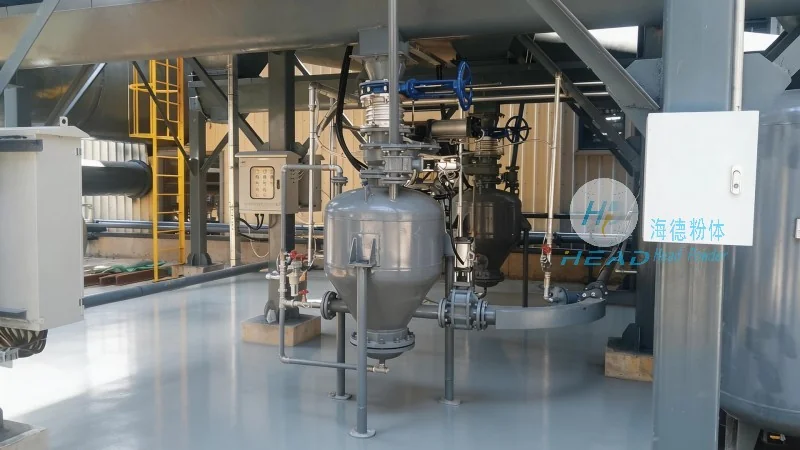
1. Pipeline Transportation
Pipeline transportation is a common method for moving P₂O₅, especially for large-scale industrial applications. This approach involves pumping the substance through a sealed, corrosion-resistant pipeline system. The primary advantage of this method is its ability to maintain a continuous flow, reducing the risk of exposure to air and moisture. Additionally, pipelines can be integrated into existing industrial infrastructure, minimizing the need for additional storage or handling equipment. However, the disadvantages include the high initial investment required for pipeline construction and maintenance. Moreover, if the pipeline is not properly insulated or sealed, there is a risk of leakage or contamination, which can be hazardous to both personnel and the environment. The cost of pipeline installation and the need for specialized pumps and valves also add to the overall operational expenses.
2. Tank Truck Transportation
For bulk transport over longer distances, tank trucks are often used to carry P₂O₅. These specialized vehicles are equipped with insulated and sealed tanks designed to prevent moisture absorption and chemical reactions. One of the key advantages of tank truck transport is its flexibility, as it allows for delivery to various locations without the need for fixed infrastructure. This method is particularly useful for businesses that require on-site storage or processing. However, the disadvantages include the need for frequent inspections and maintenance of the tank to ensure it remains leak-proof. Additionally, tank trucks are subject to strict regulations regarding loading, unloading, and handling, which can increase operational complexity. The risk of accidents during transit, such as spills or leaks, is another significant concern, as P₂O₅ is highly reactive and can cause severe burns or respiratory issues if it comes into contact with skin or inhalation.
3. Specialized Containers and Packaging

Transporting P₂O₅ in specialized containers, such as double-walled or vacuum-insulated vessels, is another common approach. These containers are designed to minimize exposure to air and moisture, which is critical for maintaining the chemical's purity and stability. The primary advantage of this method is the enhanced safety and control over the substance during transport. Specialized containers often come with built-in monitoring systems to detect any leaks or pressure changes, providing an additional layer of security. However, the disadvantages include the higher cost of these specialized containers compared to standard packaging. Additionally, the handling and storage of these containers require specialized training and equipment, which may not be readily available to all businesses. The weight and size of these containers can also limit the capacity of transport vehicles, reducing overall efficiency.
4. Bulk Storage and Handling

Bulk storage and handling of P₂O₅, often in specialized silos or storage tanks, is another method used in industrial settings. This approach involves storing the chemical in a controlled environment, typically under dry and inert conditions. The main advantage of bulk storage is the ability to store large quantities of P₂O₅, reducing the need for frequent shipments and minimizing transportation costs over time. Additionally, bulk storage allows for better control over the chemical's quality and consistency. However, the disadvantages include the high cost of constructing and maintaining bulk storage facilities. Moreover, the risk of accidental spills or leaks from large storage tanks is significant, as even small amounts of P₂O₅ can cause severe damage to the environment and human health. Regular maintenance and monitoring of bulk storage systems are essential to prevent such incidents, adding to the operational burden.
5. Considerations for Safe Transport
Regardless of the transport method chosen, several key considerations must be addressed to ensure the safe and efficient movement of P₂O₅. First, all personnel involved in the transport process must be properly trained and equipped with appropriate personal protective equipment (PPE), such as gloves, goggles, and respirators. Second, the transport vehicles and equipment must be regularly inspected and maintained to ensure they are in good working condition. Third, strict adherence to safety regulations and guidelines is crucial, as P₂O₅ is classified as a hazardous material. Finally, contingency plans should be in place to handle any potential accidents or emergencies, such as spills or leaks, to minimize the impact on people and the environment.
Conclusion
Choosing the right transport method for phosphorus pentoxide is a critical decision that impacts safety, efficiency, and cost. Shandong HeadPowder Engineering Co., Ltd. from China offers expertise and specialized solutions for handling P₂O₅ transportation, ensuring that businesses can select the most appropriate method based on their specific needs. By understanding the advantages and disadvantages of each transport option, companies can make informed choices that prioritize safety, compliance, and operational efficiency. Whether through pipelines, tank trucks, specialized containers, or bulk storage, the key is to implement a robust transport system that minimizes risks and maximizes the reliability of P₂O₅ delivery.

 Shandong Headpowder Engineering Co., Ltd.
 156-6277-7102(Quản lý Trương)
  0531-83386006
  Thành phố Tế Nam, Tỉnh Sơn Đông, Trung Quốc
Điện thoại
WeChatTư vấn
Lên đầu