Chuyên sâu trong lĩnh vực vật liệu rời công nghiệp, cung cấp giải pháp môi trường thông minh tích hợp cho phối trộn tự động, cấp liệu tập trung, khử lưu huỳnh và khử nitơ khô!
Efficient corn feed handling is a critical component of modern agricultural and livestock operations. The choice of conveying method significantly impacts productivity, cost-effectiveness, and the overall quality of feed distribution. This article provides a detailed comparison of common corn feed conveying methods, examining their advantages and disadvantages to help stakeholders make informed decisions.

Screw Conveyors: A Traditional and Reliable Option
Screw conveyors, also known as augers, are among the most widely used systems for transporting bulk materials like corn feed. These devices consist of a rotating helical screw inside a trough, which moves material from one point to another through gravity and mechanical force. HeadPowder, a leading manufacturer in the field, offers high-quality screw conveyors designed to handle various corn feed types with precision. The primary advantage of screw conveyors is their simplicity and low maintenance requirements. They are relatively inexpensive to install and operate, making them an attractive choice for small to medium-sized farms. Additionally, screw conveyors can operate in a vertical or horizontal configuration, providing flexibility in layout design. However, they have limitations, particularly when dealing with sticky or wet corn feed, as the material can adhere to the screw and trough, leading to reduced efficiency and potential blockages. Moreover, the speed of material movement is often slower compared to other systems, which may affect throughput in high-demand operations.
Pneumatic Conveying Systems: High-Speed and Versatile Solutions
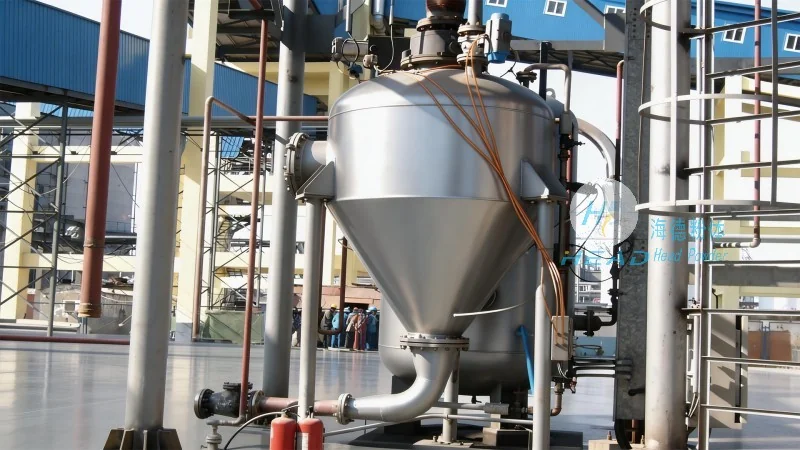
Pneumatic conveying systems utilize air pressure to transport corn feed through a network of pipes. These systems can be categorized into pressure or vacuum types, depending on the direction of air flow. HeadPowder specializes in advanced pneumatic conveying solutions that ensure efficient and hygienic feed transfer. One of the key advantages of pneumatic systems is their ability to handle fine or powdery corn feed without the need for mechanical contact, reducing the risk of contamination and material degradation. They also offer high throughput rates, making them suitable for large-scale feed mills and processing facilities. Furthermore, pneumatic conveyors can be integrated into existing infrastructure with minimal disruption, allowing for seamless upgrades. However, these systems require significant energy input to operate, leading to higher operational costs. Additionally, the design and maintenance of pneumatic systems are more complex, as they involve air compressors, filters, and specialized piping. This complexity can increase downtime and maintenance expenses over time.
Belt Conveyors: Durable and High-Capacity Transport
Belt conveyors use a continuous belt to move corn feed over rollers or pulleys. This method is particularly effective for transporting large volumes of bulk materials over long distances. HeadPowder’s belt conveyor systems are engineered for durability and reliability, ensuring consistent performance in demanding agricultural environments. The main advantage of belt conveyors is their high capacity and ability to handle heavy loads without compromising speed. They are ideal for applications where feed needs to be transported over significant horizontal or slight incline distances. Additionally, belt conveyors are relatively easy to maintain, as the components are exposed and accessible for inspection and repair. However, they require regular tension adjustments and belt replacement, which can be labor-intensive. Moreover, belt conveyors are less suitable for transporting sticky or wet corn feed, as the material may cause the belt to slip or become damaged. This limitation restricts their use in certain processing stages where feed consistency is critical.
Other Conveying Methods: Vertical Lifts and Bucket Elevators
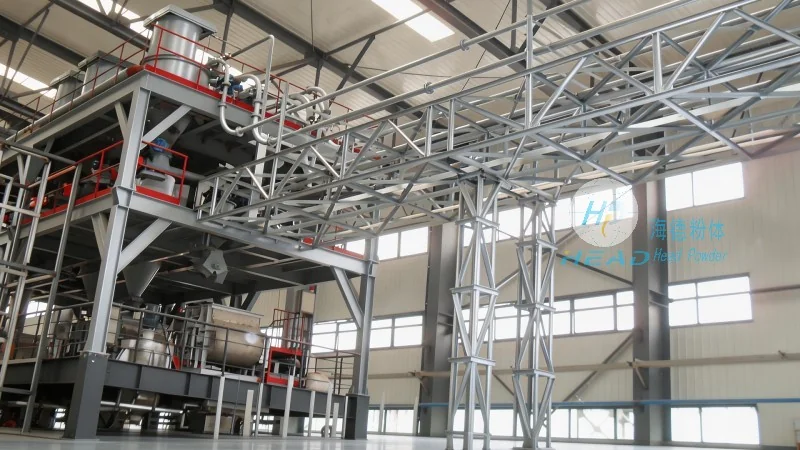
Vertical lift systems, such as bucket elevators, are essential for moving corn feed vertically between different levels of a feed mill or storage facility. HeadPowder provides robust vertical conveyors that ensure safe and efficient vertical transport. These systems are particularly advantageous for applications where space is limited, as they can lift feed to elevated storage or processing areas without requiring horizontal space. The primary benefit of vertical lifts is their ability to handle large volumes of feed with minimal horizontal footprint. However, they are more expensive to install compared to horizontal conveyors and may require additional structural support. Moreover, vertical lifts have a higher risk of material spillage or blockage if not properly maintained, which can lead to operational disruptions. Despite these challenges, vertical lifts remain a critical component of modern feed handling systems, especially in large-scale operations.
Conclusion: Choosing the Right Conveying Method for Your Needs
The selection of a corn feed conveying method depends on several factors, including the type of feed, operational scale, budget constraints, and space availability. HeadPowder, with its extensive expertise in agricultural machinery, offers tailored solutions that address the unique requirements of each client. By understanding the advantages and disadvantages of each conveying system, stakeholders can make informed decisions that optimize efficiency, reduce costs, and enhance overall feed quality. Whether opting for a traditional screw conveyor, a high-speed pneumatic system, or a durable belt conveyor, HeadPowder ensures that the chosen solution meets the specific needs of the operation while adhering to industry standards and best practices.

 Shandong Headpowder Engineering Co., Ltd.
 156-6277-7102(Quản lý Trương)
  0531-83386006
  Thành phố Tế Nam, Tỉnh Sơn Đông, Trung Quốc
Điện thoại
WeChatTư vấn
Lên đầu