Chuyên sâu trong lĩnh vực vật liệu rời công nghiệp, cung cấp giải pháp môi trường thông minh tích hợp cho phối trộn tự động, cấp liệu tập trung, khử lưu huỳnh và khử nitơ khô!
When it comes to the transport of inorganic salts, selecting the right method is crucial for ensuring efficiency, safety, and cost-effectiveness in industrial operations. Inorganic salts, such as sodium chloride, calcium chloride, and potassium sulfate, are widely used in various sectors including chemical manufacturing, water treatment, and food processing. The choice of transport method depends on factors like the physical properties of the salt, the distance of transport, the required flow rate, and the environmental conditions. This article provides a detailed comparison of common inorganic salt transport methods, highlighting their advantages and disadvantages to help industrial operators make informed decisions.
Positive Pressure Pumping Systems
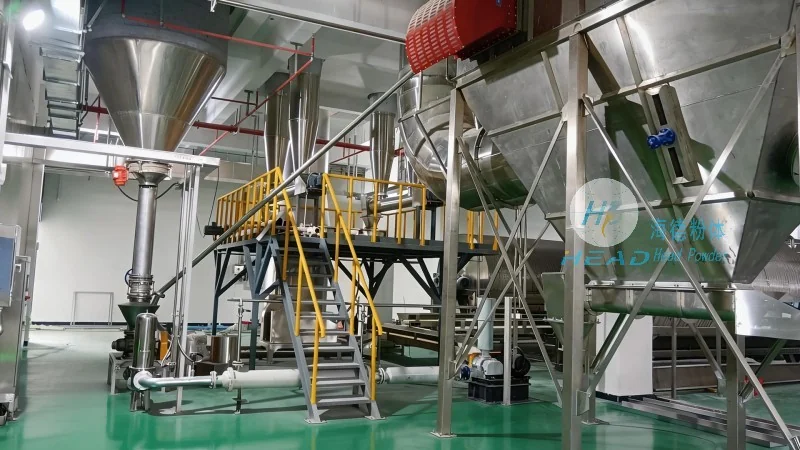
Positive pressure pumping is a widely used method for transporting inorganic salts, especially in applications requiring high pressure and consistent flow. This method involves using a pump to generate positive pressure, which forces the salt through a pipeline. The primary advantage of positive pressure pumping is its ability to handle viscous or abrasive materials, which are common in inorganic salt solutions. It ensures a continuous and reliable flow, reducing the risk of clogging and downtime. However, this method requires regular maintenance of the pump and associated equipment to prevent wear and tear from the abrasive nature of the salts. Additionally, the high pressure can lead to increased energy consumption, making it less cost-effective for long-distance or low-flow applications.

Vacuum Pumping Systems
Vacuum pumping, also known as suction or vacuum-assisted transport, is another common method for inorganic salt transport. This approach uses a vacuum pump to create a negative pressure at the inlet of the pipeline, drawing the salt from the source to the destination. The main advantage of vacuum pumping is its ability to handle low-flow or low-concentration solutions without the need for high-pressure equipment. It is particularly suitable for applications where the salt solution is prone to foaming or where a gentle transport is required to prevent degradation. However, vacuum systems have limitations in terms of the distance they can cover and the maximum flow rate they can handle. The vacuum pressure is typically lower than that of positive pressure systems, which may limit their use in high-demand scenarios. Furthermore, the setup requires careful sealing to prevent air leaks, which can reduce the efficiency of the system.
Gravity Flow Systems
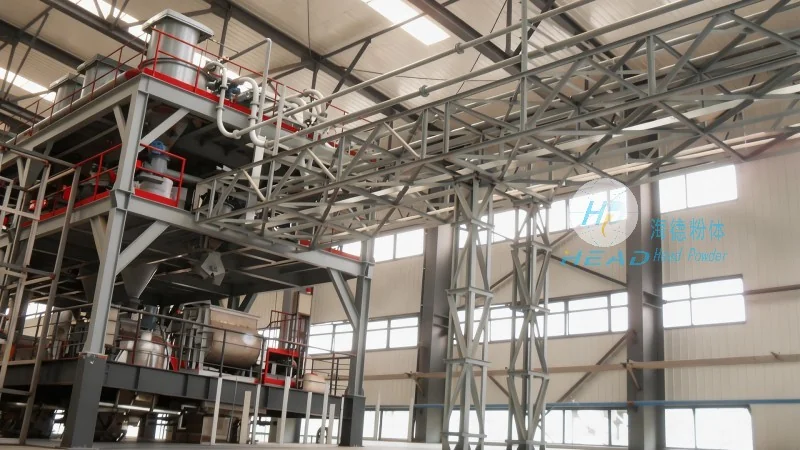
Gravity flow systems rely on the natural force of gravity to transport inorganic salts from a higher elevation to a lower one. This method is simple and cost-effective, as it does not require any mechanical equipment. The primary advantage of gravity flow is its low operational cost and minimal maintenance requirements. It is ideal for short-distance transport where the source and destination are at different heights. However, this method is highly dependent on the vertical distance between the source and the destination. If the distance is too short or the elevation difference is insufficient, the flow rate may be too low to meet the operational needs. Additionally, gravity flow systems are not suitable for transporting salts that need to be moved against gravity, and they cannot handle high-viscosity or abrasive materials effectively.
Pneumatic Conveying Systems
Pneumatic conveying uses compressed air to transport inorganic salts in a pipeline. The salt is carried by the air stream, which moves it from the source to the destination. This method is suitable for both dry and wet inorganic salts, and it can handle a wide range of particle sizes. The main advantage of pneumatic conveying is its ability to transport materials over long distances with minimal pressure drop. It also allows for the integration of multiple transport lines, making it flexible for complex industrial setups. However, this method has limitations in terms of the maximum particle size and the moisture content of the salt. Coarse or wet materials may cause blockages or increase the wear on the system components. Additionally, the energy consumption is relatively high due to the need for compressed air, which can increase operational costs.
Selection Criteria for Inorganic Salt Transport Methods

Choosing the appropriate inorganic salt transport method involves considering several key factors. The first is the physical properties of the salt, including its particle size, viscosity, and abrasiveness. Salts with high abrasiveness may require more robust equipment, such as positive pressure pumps with wear-resistant parts. The second factor is the distance and elevation difference between the source and the destination. For long distances or significant elevation changes, positive pressure or pneumatic systems may be more suitable. The third factor is the required flow rate and pressure. High flow rates and pressures may necessitate the use of positive pressure systems, while low flow rates can be handled by vacuum or gravity systems. Finally, the operational cost and maintenance requirements should be evaluated. Systems with lower maintenance and energy consumption may be preferred for long-term operations.
Conclusion
In conclusion, the choice of inorganic salt transport method depends on a combination of technical, operational, and economic factors. Positive pressure pumping offers reliability and high flow rates but at a higher cost. Vacuum pumping provides gentle transport for low-flow applications but has limitations in distance and flow rate. Gravity flow is cost-effective for short distances but is limited by elevation differences. Pneumatic conveying offers flexibility for long-distance transport but has higher energy costs. Industrial operators should carefully assess their specific requirements and consult with experts to select the most suitable method. Shandong HeadPowder Engineering Co., Ltd., a leading provider of industrial transport solutions, offers a range of equipment and services tailored to meet the diverse needs of inorganic salt transport. With a focus on quality and efficiency, HeadPowder helps clients optimize their operations and reduce costs through expertly designed transport systems.

 Shandong Headpowder Engineering Co., Ltd.
 156-6277-7102(Quản lý Trương)
  0531-83386006
  Thành phố Tế Nam, Tỉnh Sơn Đông, Trung Quốc
Điện thoại
WeChatTư vấn
Lên đầu