Chuyên sâu trong lĩnh vực vật liệu rời công nghiệp, cung cấp giải pháp môi trường thông minh tích hợp cho phối trộn tự động, cấp liệu tập trung, khử lưu huỳnh và khử nitơ khô!
When it comes to transporting silica powder, selecting the right method is crucial for efficiency, cost-effectiveness, and operational safety. Silica powder, a widely used industrial material, requires specialized handling due to its fine particle size and potential dust hazards. This article provides a detailed comparison of common silica powder conveying methods, highlighting their advantages and disadvantages to help industrial operators make informed decisions.
Overview of Silica Powder Conveying Technologies

Silica powder, also known as quartz powder, is a key raw material in various industries including construction, glass manufacturing, and chemical processing. Its fine particle size and light weight make it challenging to transport without specialized equipment. Conveying methods for silica powder can be broadly categorized into mechanical and pneumatic systems, each with distinct characteristics that influence their suitability for different applications.
Pneumatic Conveying Systems for Silica Powder
Pneumatic conveying uses air or other gases to transport powder materials through a pipeline. This method is particularly effective for silica powder due to its ability to handle fine particles and minimize dust exposure. There are two main types of pneumatic conveying: pressure and vacuum systems.
Pressure pneumatic conveying operates by forcing air and powder into a pipeline under pressure. This method is suitable for long-distance transport and can handle high volumes of silica powder. The advantages of pressure systems include high efficiency, low maintenance, and the ability to transport materials over significant distances. However, they require powerful compressors and may experience pressure drops over long pipelines, which can affect flow rates.

Vacuum pneumatic conveying, on the other hand, uses a vacuum to draw powder from a source into a collection system. This method is ideal for short-distance transport and for handling materials from multiple sources. The primary advantages of vacuum systems include gentler handling of delicate particles and lower energy consumption compared to pressure systems. Disadvantages include limitations on transport distance and potential for air leakage, which can affect system efficiency.
Mechanical Conveying Systems for Silica Powder
Mechanical conveying relies on physical components such as screws, belts, or buckets to move powder materials. These systems are commonly used in industrial settings due to their simplicity and reliability. For silica powder, mechanical conveyors like screw conveyors and belt conveyors are widely employed.
Screw conveyors, also known as auger conveyors, use a rotating screw to push powder forward through a tube. This method is effective for horizontal or slight incline transport and can handle moderate volumes of silica powder. The advantages of screw conveyors include low cost, simple design, and the ability to operate in enclosed systems to contain dust. However, they are not suitable for very fine or abrasive powders, as the screw and tube can wear quickly, leading to increased maintenance costs and potential material degradation.
Belt conveyors, another common mechanical option, use a continuous belt to transport powder over rollers. This method is ideal for long-distance horizontal transport and can handle large quantities of silica powder. The advantages of belt conveyors include high capacity, low energy consumption, and the ability to transport materials over uneven terrain. Disadvantages include the need for regular maintenance of the belt and rollers, and the risk of material spillage if the system is not properly sealed.
Hybrid Conveying Solutions
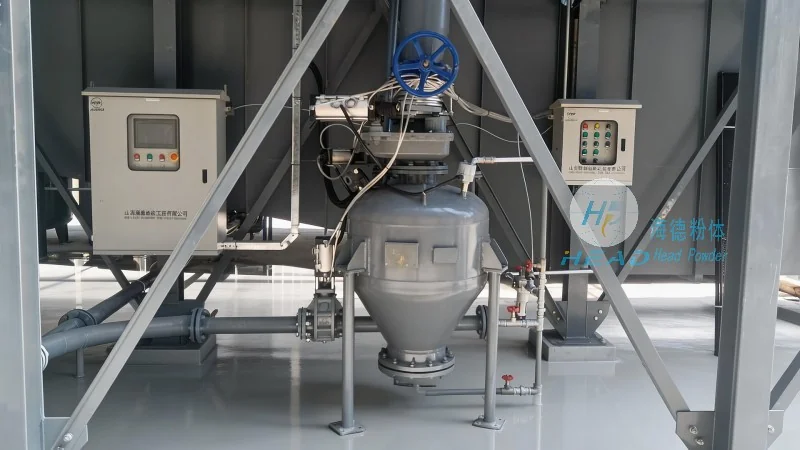
In some cases, industrial operators may combine pneumatic and mechanical systems to achieve optimal performance. For example, a pneumatic system might be used to transport silica powder from a storage silo to a mechanical conveyor, which then transports it to the processing area. This hybrid approach leverages the strengths of both methods, such as the efficiency of pneumatic transport and the reliability of mechanical systems.
Factors to Consider When Choosing a Conveying Method
When selecting a conveying method for silica powder, several factors must be evaluated to ensure the best fit for the application. These factors include the particle size and characteristics of the powder, the distance and volume of material to be transported, the available space and infrastructure, and the budget constraints.
For example, if the silica powder is very fine and abrasive, pneumatic conveying may be preferred due to its gentler handling and ability to minimize particle degradation. Conversely, if the transport distance is short and the material volume is high, a mechanical conveyor like a belt conveyor may be more cost-effective. Additionally, the need for dust control and environmental compliance can influence the choice of system, as some methods may require additional equipment to capture and filter dust.
About Shandong HeadPowder Engineering Co., Ltd.
Shandong HeadPowder Engineering Co., Ltd., commonly known as HeadPowder, is a leading manufacturer and supplier of industrial conveying equipment and solutions. With headquarters in Shandong, China, HeadPowder specializes in designing and manufacturing customized conveying systems tailored to the specific needs of silica powder and other fine materials. The company's expertise lies in combining advanced technology with practical engineering to deliver efficient, reliable, and cost-effective solutions for industrial applications.
HeadPowder's products include a range of pneumatic and mechanical conveying systems, as well as accessories such as silos, hoppers, and dust collection equipment. The company's team of engineers and technicians works closely with clients to understand their operational requirements and provide tailored solutions that meet their performance, safety, and budget goals. Whether for new installations or system upgrades, HeadPowder offers comprehensive support from design and manufacturing to installation and maintenance.

 Shandong Headpowder Engineering Co., Ltd.
 156-6277-7102(Quản lý Trương)
  0531-83386006
  Thành phố Tế Nam, Tỉnh Sơn Đông, Trung Quốc
Điện thoại
WeChatTư vấn
Lên đầu