Chuyên sâu trong lĩnh vực vật liệu rời công nghiệp, cung cấp giải pháp môi trường thông minh tích hợp cho phối trộn tự động, cấp liệu tập trung, khử lưu huỳnh và khử nitơ khô!
When it comes to the efficient handling and transportation of latex powder, selecting the right conveying method is crucial for maintaining product quality, ensuring operational reliability, and optimizing production costs. Various methods are available, each with its own set of advantages and disadvantages. This article provides a detailed comparison of common latex powder conveying methods, helping you make an informed decision for your specific application needs.

Overview of Latex Powder Conveying Methods
Latex powder, a key material in the manufacturing of adhesives, sealants, and other industrial products, requires careful handling due to its fine particle size and potential for dust generation. The choice of conveying method directly impacts the integrity of the powder, energy consumption, and overall system maintenance. Commonly used methods include pneumatic conveying, screw conveyors, and pump-based systems. Each method has distinct characteristics that make it suitable for different production environments and operational requirements.
Pneumatic Conveying: Advantages and Disadvantages
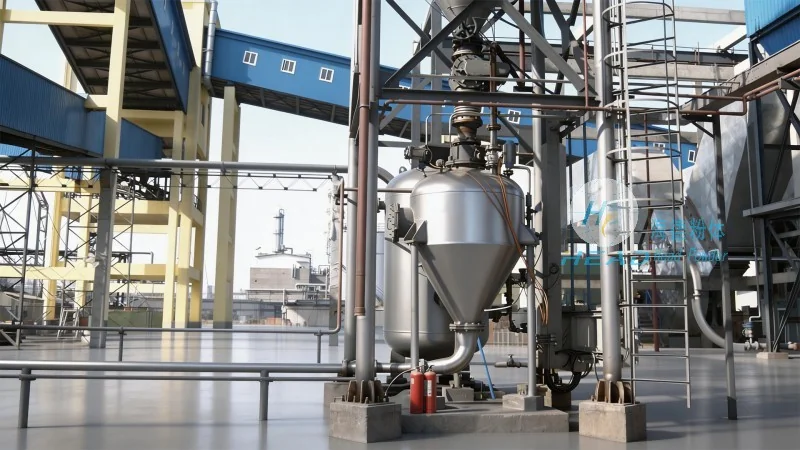
Pneumatic conveying uses air or other gases to transport latex powder through a system of pipes. This method is highly effective for handling fine powders and can cover long distances with minimal equipment. One of the primary advantages of pneumatic conveying is its ability to handle abrasive materials without causing significant wear to the system components. Additionally, it allows for the integration of dust collection and filtration systems, which helps maintain a clean and safe working environment. However, pneumatic systems require higher energy input compared to other methods, as they rely on air compressors to generate the necessary pressure. Maintenance costs can also be higher due to the need for regular filter replacements and air system checks. Furthermore, the system's capacity may be limited by the air flow rate and the pressure drop across the pipeline.
Screw Conveyors: Advantages and Disadvantages
Screw conveyors, also known as auger conveyors, use a rotating screw to move latex powder along a trough. This method is particularly suitable for horizontal or slightly inclined applications and is commonly used in bulk material handling. The main advantage of screw conveyors is their simplicity and low initial cost. They are relatively easy to install and maintain, with fewer moving parts compared to pneumatic systems. Screw conveyors also provide a continuous and controlled flow of material, which can help prevent product segregation and ensure consistent delivery to downstream processes. However, they are not ideal for very fine or cohesive powders, as the screw may cause excessive friction and compaction. This can lead to blockages and reduced efficiency. Additionally, screw conveyors are less effective for long vertical lifts and may require additional equipment for vertical transport. The risk of product degradation due to friction and heat generation is another consideration when using screw conveyors for latex powder.
Pump-Based Conveying Systems: Advantages and Disadvantages
Pump-based systems, such as hydraulic or mechanical pumps, are used to transport latex powder through hoses or pipes. This method is often employed in applications where the powder needs to be moved over short distances or in environments where air is undesirable. The primary advantage of pump-based systems is their ability to handle high-viscosity or wet powders without the need for air compression. They also provide a smooth and consistent flow, which can be beneficial for processes that require precise dosing. However, these systems are generally less efficient for fine powders and may not be suitable for long-distance transport. The equipment is more complex and requires regular maintenance to prevent leaks and ensure proper lubrication. The cost of pumps and associated components can also be higher compared to simpler conveying methods. Furthermore, the risk of product contamination from the pump seals and the potential for clogging in the system are important factors to consider.
Factors to Consider When Choosing a Conveying Method

When selecting a conveying method for latex powder, several factors must be evaluated to ensure the best fit for your operation. The first consideration is the particle size and physical properties of the powder, such as its density, moisture content, and cohesive behavior. Fine powders with high moisture content may require specialized equipment to prevent clumping and ensure smooth transport. The distance and layout of the production facility also play a critical role. For short distances and simple layouts, screw conveyors may be sufficient, while pneumatic systems are better suited for long or complex routes. Energy consumption and operational costs are another key factor. Pneumatic systems, although energy-intensive, may offer long-term savings in terms of reduced labor and equipment wear compared to other methods. Maintenance requirements and availability of spare parts should also be considered, as downtime can significantly impact production efficiency. Finally, safety and environmental regulations must be taken into account. Pneumatic systems, for example, require proper dust collection to comply with occupational health standards, while pump-based systems may need additional containment measures to prevent leaks.
Conclusion
Choosing the right latex powder conveying method is a critical decision that impacts the overall performance and profitability of your production process. By understanding the advantages and disadvantages of each method, you can select the most suitable option for your specific needs. Whether you opt for pneumatic, screw, or pump-based systems, it is essential to consider factors such as material properties, distance, energy costs, and maintenance requirements. Shandong HeadPowder Engineering Co., Ltd., a leading manufacturer in the field, offers a range of conveying solutions tailored to meet the diverse needs of the latex powder industry. With their expertise and commitment to quality, they provide reliable equipment that ensures efficient and safe handling of latex powder, helping businesses achieve optimal performance and compliance with industry standards.

 Shandong Headpowder Engineering Co., Ltd.
 156-6277-7102(Quản lý Trương)
  0531-83386006
  Thành phố Tế Nam, Tỉnh Sơn Đông, Trung Quốc
Điện thoại
WeChatTư vấn
Lên đầu