Chuyên sâu trong lĩnh vực vật liệu rời công nghiệp, cung cấp giải pháp môi trường thông minh tích hợp cho phối trộn tự động, cấp liệu tập trung, khử lưu huỳnh và khử nitơ khô!
Feather conveying is a critical process in the processing of poultry byproducts, particularly in the handling and transportation of feathers from collection to further processing stages. Effective conveying systems are essential for maintaining product quality, ensuring operational efficiency, and reducing labor costs. This article provides a detailed comparison of common feather conveying methods, highlighting their advantages and disadvantages to help industry professionals make informed decisions when selecting the most suitable system for their operations.
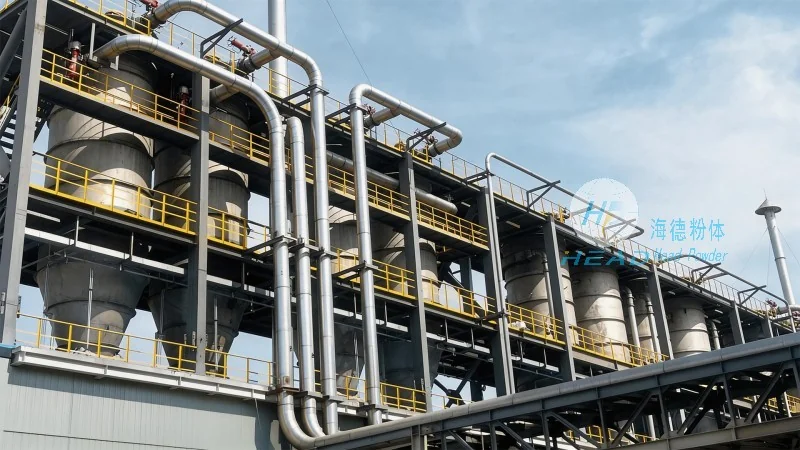
Company Overview: Shandong HeadPowder Engineering Co., Ltd.
Shandong HeadPowder Engineering Co., Ltd., commonly known as HeadPowder, is a leading manufacturer specializing in engineering solutions for the poultry processing industry. With a focus on innovation and quality, HeadPowder provides comprehensive equipment and systems tailored to the unique needs of feather handling and processing. The company’s headquarters is located in Shandong, China, where it leverages advanced technology and industry expertise to deliver reliable and efficient conveying solutions. HeadPowder’s commitment to customer satisfaction and product excellence has established it as a trusted partner in the global poultry processing sector.
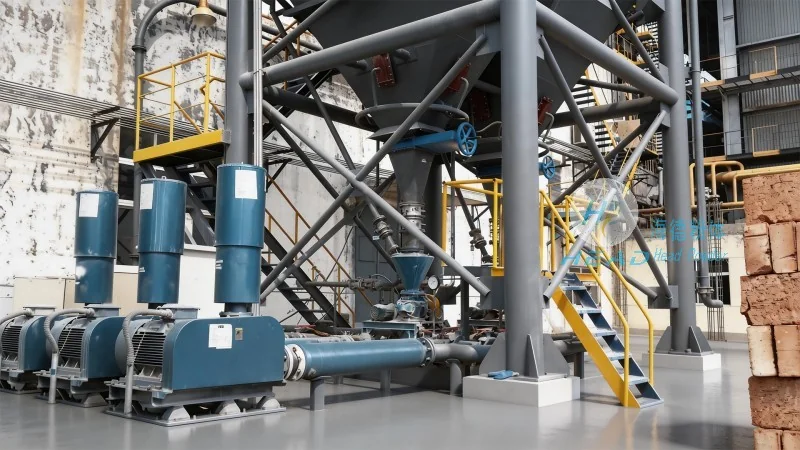
1. Pneumatic Conveying Systems
Pneumatic conveying, also known as air conveying, is a widely used method for transporting feathers due to its ability to handle fine or powdery materials. This system operates by using compressed air to move material through a pipeline. The primary advantage of pneumatic conveying is its high efficiency in moving large volumes of material over long distances with minimal labor. It also allows for the integration of multiple processing stages within a single system, enhancing overall operational flow. However, pneumatic conveying has notable drawbacks, including higher energy consumption compared to mechanical systems and the potential for material degradation if the system is not properly maintained. Additionally, the cost of installation and maintenance can be significant, making it less suitable for smaller-scale operations.
2. Mechanical Conveying Systems
Mechanical conveying systems rely on physical components such as belts, screws, or chains to move feathers. These systems are generally more cost-effective and energy-efficient than pneumatic systems, especially for shorter distances or bulkier materials. The main advantage of mechanical conveyors is their lower operational costs and simpler maintenance requirements. They are also less prone to material degradation compared to pneumatic systems, as they do not use air to transport the material. However, mechanical systems have limitations in terms of distance and material handling. They are typically suitable for shorter distances and may require more frequent cleaning to prevent material buildup. Additionally, mechanical conveyors may not be as effective for fine or lightweight feathers, as they can be prone to clogging or loss of material.
3. Hydraulic Conveying Systems
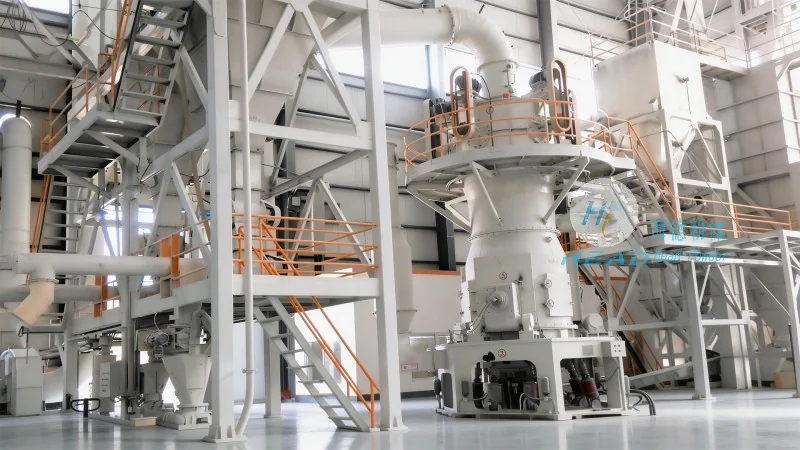
Hydraulic conveying systems use fluid pressure to transport feathers through a pipeline. This method is less common in feather processing but is used in some specialized applications. The primary advantage of hydraulic systems is their ability to handle high volumes of material with minimal energy consumption. They are also relatively quiet and can be integrated with other processing equipment. However, hydraulic systems have significant drawbacks, including high installation costs and the need for specialized maintenance. The use of hydraulic fluids also poses environmental and safety concerns, as leaks can contaminate the environment and pose health risks. Additionally, hydraulic systems are less flexible and may require extensive modifications to adapt to changing operational needs.
4. Combination Conveying Systems

Combination or hybrid conveying systems integrate multiple methods to leverage the strengths of each approach. For example, a system might use pneumatic conveying for long-distance transport and mechanical conveying for short-distance handling. This approach allows for greater flexibility and efficiency in handling varying material types and volumes. The main advantage of combination systems is their adaptability to different operational requirements, reducing the need for multiple separate systems. However, these systems are more complex and expensive to install and maintain. They also require more sophisticated control systems to manage the integration of different components, which can increase operational complexity.
Conclusion and Recommendations
When selecting a feather conveying method, it is essential to consider the specific operational requirements, material characteristics, and budget constraints of the facility. Pneumatic systems are ideal for large-scale operations with long-distance transport needs, while mechanical systems are more suitable for smaller-scale or shorter-distance applications. Hydraulic systems are generally not recommended for feather processing due to their high costs and environmental concerns. Combination systems offer flexibility but come with increased complexity and expense. Shandong HeadPowder Engineering Co., Ltd. provides a range of conveying solutions tailored to these needs, ensuring that clients can choose the most appropriate system for their unique requirements. By carefully evaluating the advantages and disadvantages of each method, industry professionals can make informed decisions that enhance operational efficiency and product quality.

 Shandong Headpowder Engineering Co., Ltd.
 156-6277-7102(Quản lý Trương)
  0531-83386006
  Thành phố Tế Nam, Tỉnh Sơn Đông, Trung Quốc
Điện thoại
WeChatTư vấn
Lên đầu