Chuyên sâu trong lĩnh vực vật liệu rời công nghiệp, cung cấp giải pháp môi trường thông minh tích hợp cho phối trộn tự động, cấp liệu tập trung, khử lưu huỳnh và khử nitơ khô!
When selecting a paper sheet conveying system for industrial applications, understanding the different methods available and their respective advantages and disadvantages is crucial. This article provides a detailed comparison of common paper sheet conveying technologies, helping businesses make informed decisions to optimize their production processes.

Overview of Paper Sheet Conveying Systems
Before diving into specific technologies, it's important to understand the fundamental goal of paper sheet conveying: efficiently transporting sheets from one point to another in manufacturing or processing environments. The choice of system depends on factors such as sheet size, weight, material properties, production volume, and space constraints.
1. Chain Conveyor System: Traditional and Reliable
Chain conveyors are one of the most traditional and widely used methods for paper sheet transportation. These systems utilize a series of metal chains with attached carriers or rollers to move sheets along a path. The primary advantage of chain conveyors is their high load capacity and ability to handle heavy or irregularly shaped sheets. They are particularly suitable for applications requiring precise positioning and control over the conveying process.
However, chain conveyors have some drawbacks. They can be noisy due to the moving chains and may require more maintenance compared to other systems. The initial setup cost is also higher, and they may not be as flexible in terms of changing the conveying path without significant modifications.
2. Belt Conveyor: Flexible and Cost-Effective
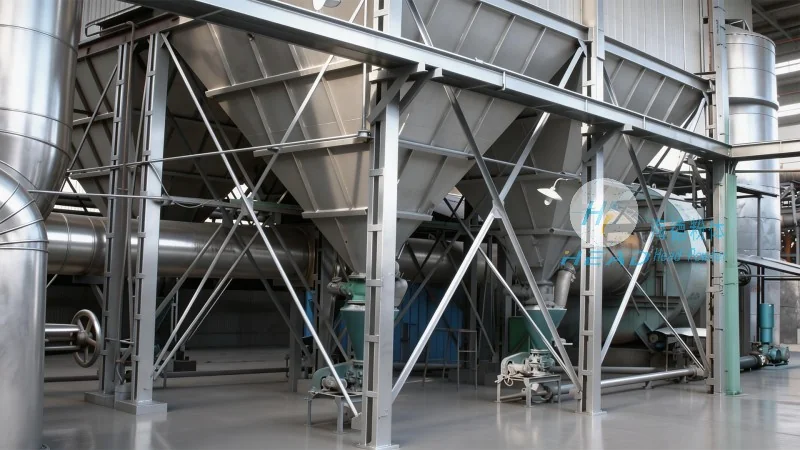
Belt conveyors use a continuous loop of material (typically rubber or PVC) to transport sheets. This method is known for its flexibility and cost-effectiveness, making it a popular choice for various industries. The belt can be easily adjusted to accommodate different sheet sizes and can be installed in a variety of configurations, including straight, curved, or inclined paths.
The main advantages of belt conveyors include low maintenance requirements, smooth operation, and the ability to handle a wide range of sheet materials without causing damage. They are also relatively quiet compared to chain conveyors. Nevertheless, belt conveyors have limitations. The belt itself can stretch over time, requiring periodic replacement. Additionally, they may not be as effective for heavy or very large sheets due to potential slippage or belt fatigue.
3. Pneumatic Conveying: High-Speed and Non-Contact
Pneumatic conveying systems use air or other gases to transport paper sheets through a network of pipes. This method is ideal for applications where non-contact handling is essential, such as when dealing with delicate or sensitive materials. Pneumatic conveyors offer high-speed transportation and can cover long distances with minimal energy consumption.
However, pneumatic conveying has its challenges. The system requires a consistent air supply, and the cost of air compressors and associated equipment can be significant. Additionally, the system may not be suitable for very heavy or bulky sheets, as the air pressure needed to move them increases substantially. Maintenance of the air filtration and compression systems is also crucial for optimal performance.
4. Magnetic Conveying: For Ferromagnetic Materials
Magnetic conveyors utilize magnetic fields to move sheets that are ferromagnetic (e.g., certain types of coated paper or metalized sheets). This method is highly efficient for specific applications where the material properties allow for magnetic interaction. The main advantage is the ability to handle sheets without physical contact, reducing wear and tear on both the sheets and the conveyor system.
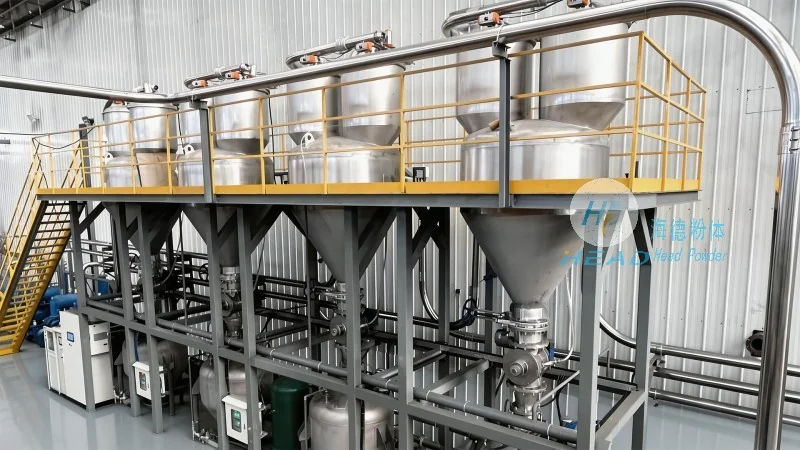
Nevertheless, magnetic conveyors are limited to materials that can be attracted by magnets. They are not suitable for non-ferromagnetic sheets and may require additional equipment for sheets that need to be separated or sorted based on magnetic properties.
Choosing the Right Conveying System
When selecting a paper sheet conveying system, several factors must be considered to ensure optimal performance and cost-effectiveness. The first step is to evaluate the specific requirements of the application, including sheet dimensions, weight, and material characteristics. Next, the production volume and required throughput must be determined, as this will influence the system's capacity and speed.
Space constraints and environmental factors also play a role. For example, a chain conveyor may be preferred in a compact area where precise positioning is needed, while a belt conveyor might be more suitable for a larger facility with varying sheet sizes. The budget and maintenance capabilities of the organization are additional considerations that can impact the final decision.
Conclusion
Each paper sheet conveying method has its unique advantages and disadvantages, making the choice dependent on the specific needs of the application. By carefully evaluating factors such as load capacity, flexibility, maintenance requirements, and cost, businesses can select the most appropriate system to enhance their production efficiency and ensure smooth operation.
Shandong HeadPowder Engineering Co., Ltd., a leading provider of industrial conveying solutions, offers a range of paper sheet conveying systems tailored to meet diverse industrial needs. With years of experience in the field, the company specializes in designing and manufacturing customized solutions that optimize performance and reliability. Located in Shandong, China, HeadPowder Engineering is committed to delivering high-quality products and services that help businesses improve their operational efficiency and productivity.

 Shandong Headpowder Engineering Co., Ltd.
 156-6277-7102(Quản lý Trương)
  0531-83386006
  Thành phố Tế Nam, Tỉnh Sơn Đông, Trung Quốc
Điện thoại
WeChatTư vấn
Lên đầu