Chuyên sâu trong lĩnh vực vật liệu rời công nghiệp, cung cấp giải pháp môi trường thông minh tích hợp cho phối trộn tự động, cấp liệu tập trung, khử lưu huỳnh và khử nitơ khô!
For manufacturers and processors working with PVC resin powder, selecting the right conveying method is crucial for efficiency, cost-effectiveness, and product quality. The choice of conveying system directly impacts operational performance, material handling safety, and overall production line reliability. This article provides a detailed comparison of common PVC resin powder conveying methods, helping industry professionals make informed decisions based on their specific operational needs.

Introduction to PVC Resin Powder Conveying
PVC resin powder is a fundamental material in the production of various plastic products, including pipes, flooring, and construction materials. Efficient and reliable transportation of this fine powder from storage to processing equipment is essential to maintain production continuity and minimize downtime. Different conveying methods are available, each with unique advantages and limitations that suit different industrial applications.
1. Screw Conveyors (Auger Conveyors)
Screw conveyors, also known as auger conveyors, are one of the most widely used methods for transporting PVC resin powder. These systems consist of a rotating helical screw inside a U-shaped or tubular housing. As the screw rotates, it pushes the material forward through the tube. Screw conveyors are particularly effective for horizontal or slightly inclined transport and are suitable for handling dry, free-flowing powders like PVC resin.
Key advantages of screw conveyors include their simplicity, low maintenance requirements, and ability to operate in a closed system, which helps prevent dust contamination and material loss. They are also relatively inexpensive to install and can handle a wide range of particle sizes. However, screw conveyors may experience clogging if the PVC resin powder contains agglomerates or moisture, and they are less effective for vertical or steep incline transport due to the high torque required.
2. Pneumatic Conveying Systems
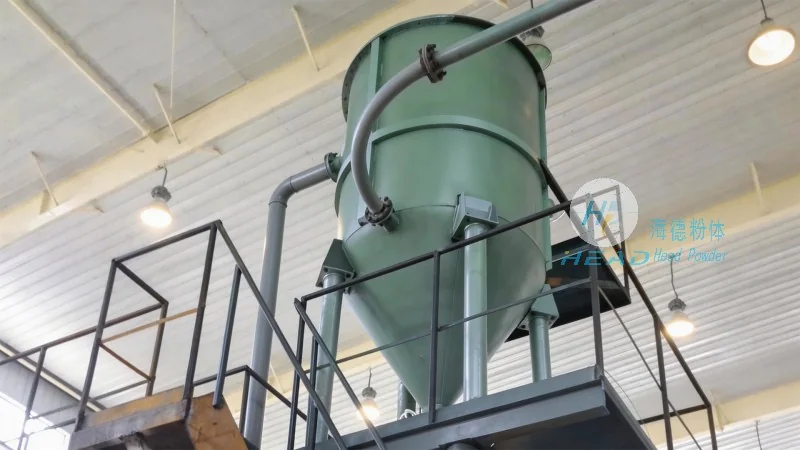
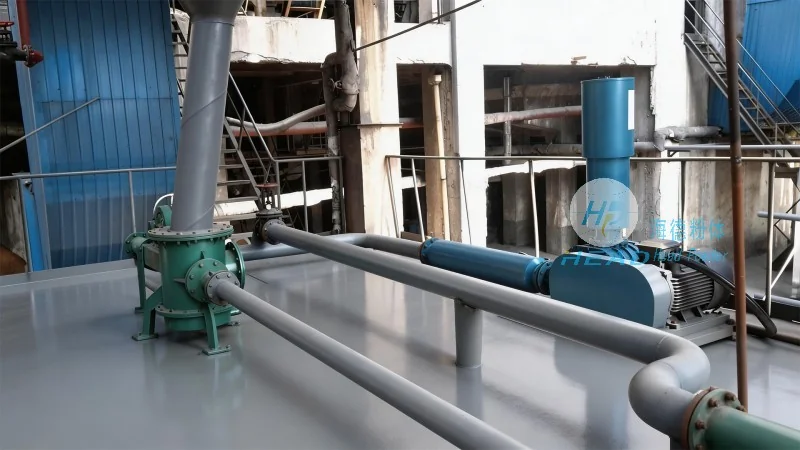
Pneumatic conveying systems use air or other gases to transport PVC resin powder through a pipeline. These systems can be categorized into two main types: pressure and vacuum. Pressure systems use compressed air to push the material through the line, while vacuum systems use a vacuum to draw the material into the pipeline. Pneumatic conveying offers high flexibility, as it can transport materials over long distances and even vertically, making it suitable for complex production layouts.
One of the primary benefits of pneumatic conveying is its ability to handle fine powders without the need for mechanical components that might cause wear or contamination. This method is also effective for transporting materials in a closed system, reducing dust exposure and environmental impact. However, pneumatic conveying can be more energy-intensive compared to other methods, especially for long-distance or high-volume transport. Additionally, the system requires careful maintenance to prevent air leaks and ensure consistent air pressure.
3. Vacuum Conveyors
Vacuum conveyors are a specialized type of pneumatic system that uses a vacuum to draw PVC resin powder from a source, such as a hopper or storage bin, into a collection container. These systems are ideal for applications where the material needs to be transported from a low or elevated position to a processing unit, as the vacuum can pull the material up vertical or inclined lines.
Vacuum conveyors are particularly useful for handling fine powders that are prone to dusting or for applications requiring a clean, dust-free environment. They are also relatively quiet and can operate without the need for high-speed air movement, which reduces energy consumption and noise levels. However, vacuum systems may have limitations in terms of maximum conveying distance and material throughput compared to pressure systems. They are also more susceptible to clogging if the PVC resin powder contains large particles or moisture.
4. Belt Conveyors
Belt conveyors use a continuous belt to transport PVC resin powder horizontally or at a slight incline. The material is placed on the belt and moves along its path due to the belt's rotation. Belt conveyors are commonly used in bulk material handling and are suitable for transporting larger quantities of PVC resin powder over moderate distances.
Advantages of belt conveyors include their high capacity and ability to handle a wide range of material sizes and shapes. They are also relatively simple to operate and maintain, with minimal moving parts. However, belt conveyors are less effective for vertical transport and may require additional equipment, such as elevators or chutes, to move the material vertically. They are also more prone to material spillage and require regular cleaning to prevent buildup and contamination.
5. Hydraulic Conveying
Hydraulic conveying systems use a liquid medium, typically water or a specialized fluid, to transport PVC resin powder. The material is mixed with the liquid and pumped through a pipeline, similar to how slurry is transported. This method is particularly effective for handling wet or sticky PVC resin powders that are difficult to transport using other methods.
Hydraulic conveying offers high efficiency and can transport materials over long distances with minimal energy loss. It is also effective for handling abrasive materials that might wear out mechanical components. However, hydraulic systems require more complex equipment and maintenance, as they involve pumps, valves, and fluid management systems. The liquid medium also adds weight and may require additional treatment to prevent environmental contamination.
Choosing the Right Conveying Method for PVC Resin Powder
When selecting a conveying method for PVC resin powder, several factors must be considered, including the material's properties (e.g., particle size, moisture content, flowability), the distance and direction of transport, the required capacity, and the available budget. For horizontal or moderate incline transport of dry, free-flowing powders, screw conveyors are often the most cost-effective choice. For long-distance or vertical transport, pneumatic or vacuum systems may be more suitable. Belt conveyors are ideal for high-volume, bulk handling, while hydraulic systems are preferred for wet or sticky materials.
It is also important to consider the environmental and safety aspects of each method. Pneumatic and vacuum systems can help minimize dust exposure and improve workplace safety, while closed systems like screw conveyors reduce material loss and environmental impact. The choice of conveying method should align with the overall production goals and operational constraints to ensure optimal performance and cost-effectiveness.

 Shandong Headpowder Engineering Co., Ltd.
 156-6277-7102(Quản lý Trương)
  0531-83386006
  Thành phố Tế Nam, Tỉnh Sơn Đông, Trung Quốc
Điện thoại
WeChatTư vấn
Lên đầu