Chuyên sâu trong lĩnh vực vật liệu rời công nghiệp, cung cấp giải pháp môi trường thông minh tích hợp cho phối trộn tự động, cấp liệu tập trung, khử lưu huỳnh và khử nitơ khô!
When it comes to processing cotton, efficient and reliable cotton conveying systems are crucial for maintaining productivity and ensuring the quality of the final product. Shandong HeadPowder Engineering Co., Ltd., a leading manufacturer based in Shandong, China, specializes in providing advanced solutions for cotton handling and transportation. This article provides a detailed comparison of common cotton conveying methods, helping businesses choose the most suitable system for their specific needs.
Introduction to Cotton Conveying Systems

Cotton conveying systems are designed to transport raw cotton or processed cotton products from one location to another within a processing facility. The choice of conveying method depends on several factors, including the type of cotton, the required capacity, the distance to be covered, and the overall budget. Understanding the advantages and limitations of each method is essential for making an informed decision.
1. Pneumatic Conveying Systems
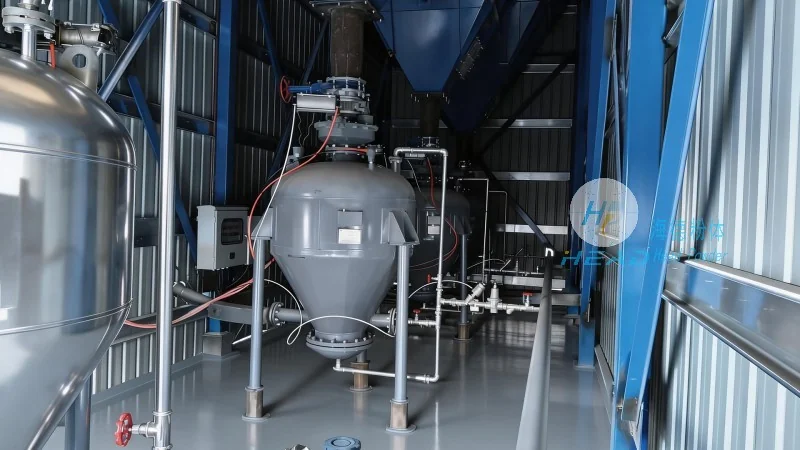
Pneumatic conveying, also known as air conveying, is a popular method for transporting cotton due to its ability to handle fine or powdery materials. This system uses compressed air to move cotton particles through a pipeline. The main types of pneumatic conveying systems include pressure and vacuum systems. Pressure systems use positive pressure to push the material forward, while vacuum systems use negative pressure to pull the material. Shandong HeadPowder Engineering Co., Ltd. offers high-efficiency pneumatic conveying solutions that ensure minimal material loss and consistent flow rates. These systems are particularly suitable for long-distance transportation and can handle a wide range of cotton types, from short-staple to long-staple varieties.
2. Screw Conveyors
Screw conveyors, also known as auger conveyors, are another common method for cotton conveying. These systems consist of a rotating screw inside a tube or trough, which moves the material forward through the rotation. Screw conveyors are ideal for transporting bulk materials over short to medium distances. They are particularly effective for handling cotton that is relatively dry and free-flowing. The design of screw conveyors allows for easy integration into existing processing lines, and they can be customized to accommodate different cotton sizes and moisture levels. Shandong HeadPowder Engineering Co., Ltd. provides robust screw conveyor systems that are durable and easy to maintain, ensuring long-term performance in cotton processing facilities.
3. Belt Conveyors
Belt conveyors are widely used in cotton processing for transporting cotton bales or processed cotton products. These systems consist of a continuous belt that moves over rollers or pulleys, carrying the material from one point to another. Belt conveyors are suitable for both horizontal and inclined transportation, making them versatile for various applications. They are particularly effective for handling large volumes of cotton and can be equipped with additional features such as loading and unloading mechanisms. Shandong HeadPowder Engineering Co., Ltd. offers high-capacity belt conveyor systems that are designed to handle heavy loads and ensure smooth operation. These systems are easy to install and maintain, providing reliable performance in cotton processing plants.
4. Hydraulic Conveying Systems
Hydraulic conveying systems use fluid power to transport cotton. These systems are less common in cotton processing but are used in certain applications where other methods are not suitable. Hydraulic systems can handle high-pressure and high-capacity transportation, making them ideal for specific industrial needs. However, they require more maintenance and are generally more expensive than other methods. Shandong HeadPowder Engineering Co., Ltd. may offer specialized hydraulic solutions for clients with unique requirements, though these are typically used in niche applications.

Choosing the Right Cotton Conveying System
When selecting a cotton conveying system, it is important to consider several factors. The first is the type of cotton being processed, as different cotton types have different properties that affect the choice of system. For example, fine cotton may require a pneumatic system to avoid material loss, while bulkier cotton may be better suited for screw or belt conveyors. The second factor is the required capacity and distance. For short distances and moderate capacities, screw or belt conveyors may be sufficient, while pneumatic systems are better for long distances and high capacities. The third factor is the budget and maintenance requirements. While pneumatic systems may have higher initial costs, they can be more cost-effective in the long run due to lower maintenance needs. Ultimately, the choice of system should be based on a thorough analysis of the specific needs of the cotton processing facility.
Conclusion
Shandong HeadPowder Engineering Co., Ltd. provides a range of cotton conveying systems that cater to different needs and applications. Whether you need a pneumatic system for long-distance transportation, a screw conveyor for bulk handling, or a belt conveyor for large bales, the company offers high-quality solutions that ensure efficient and reliable cotton processing. By understanding the advantages and limitations of each method, businesses can choose the most suitable cotton conveying system to enhance their productivity and maintain the quality of their cotton products.

 Shandong Headpowder Engineering Co., Ltd.
 156-6277-7102(Quản lý Trương)
  0531-83386006
  Thành phố Tế Nam, Tỉnh Sơn Đông, Trung Quốc
Điện thoại
WeChatTư vấn
Lên đầu