Chuyên sâu trong lĩnh vực vật liệu rời công nghiệp, cung cấp giải pháp môi trường thông minh tích hợp cho phối trộn tự động, cấp liệu tập trung, khử lưu huỳnh và khử nitơ khô!
When it comes to the transportation of limestone and gypsum powder, selecting the right method is crucial for ensuring efficiency, safety, and cost-effectiveness in industrial applications. The choice of transportation method depends on various factors such as the material properties, required throughput, distance to be covered, and the specific operational environment. In this article, we will explore several common methods used for limestone and gypsum powder transportation, highlighting their advantages and typical applications.

Overview of Key Transportation Methods
Limestone and gypsum powder transportation involves moving these fine powders from storage or production areas to processing units or end-use destinations. The primary goal is to achieve reliable, continuous, and low-maintenance transport while minimizing material loss and contamination. Below are some of the most widely used methods in the industry:
Pneumatic Conveying Systems
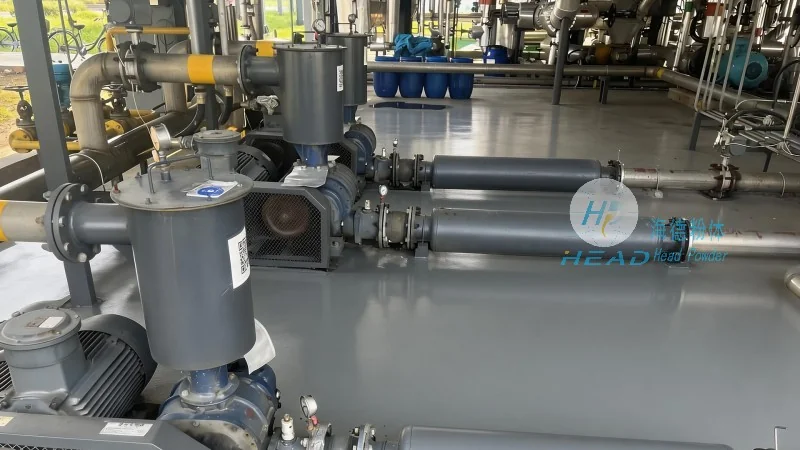
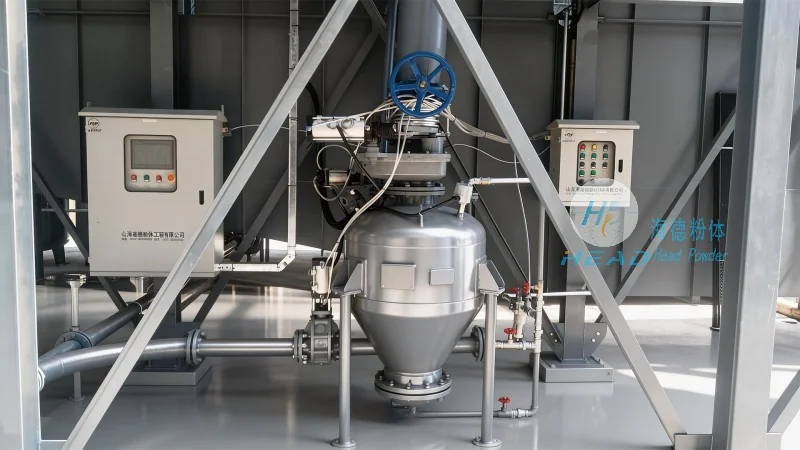
Pneumatic conveying, also known as air-assisted transport, is a popular method for limestone and gypsum powder transportation due to its ability to handle fine powders and provide enclosed, dust-free operation. This system uses compressed air or other gases to move the material through a network of pipes. There are two main types of pneumatic conveying systems: pressure and vacuum.
Pressure systems use positive pressure to push the material through the pipeline, while vacuum systems use negative pressure to pull the material. For limestone and gypsum powder, pressure systems are often preferred as they can handle higher capacities and longer distances. The system typically includes a hopper for material storage, a rotary airlock valve to control the flow, a conveyor line, and a receiver for the material at the destination. Pneumatic conveying offers advantages such as minimal maintenance, the ability to transport materials over long distances without the need for intermediate storage, and the prevention of cross-contamination. However, it may require higher energy consumption compared to other methods and may not be suitable for very fine or abrasive powders that could cause excessive wear on the system components.
Belt Conveyor Systems
Belt conveyors are another common method for limestone and gypsum powder transportation, especially for bulk material handling over short to medium distances. These systems consist of a continuous belt that moves over rollers or pulleys, carrying the material from the source to the destination. The belt is typically made of durable materials such as rubber or PVC to withstand the abrasive nature of limestone and gypsum powders. Belt conveyors can be designed as horizontal, inclined, or combination systems, depending on the layout of the facility. They are particularly effective for transporting large quantities of material at a consistent rate, making them suitable for continuous production processes. The key advantages of belt conveyors include high throughput capacity, low operating costs, and the ability to handle a wide range of material sizes and shapes. However, they require regular maintenance to ensure the belt remains in good condition and to prevent material spillage. Additionally, belt conveyors may not be as flexible as other systems in terms of changing the route or direction of transport.
Pipeline Transportation
Pipeline transportation is a specialized method used for transporting limestone and gypsum powder in a slurry or slurry-like form. This method involves mixing the powder with water to create a slurry, which is then pumped through a pipeline to the destination. The slurry is typically stored in a storage tank and pumped using centrifugal or positive displacement pumps. Pipeline transportation is commonly used in applications where the material needs to be transported over long distances or through complex terrain. It offers advantages such as high capacity, low labor costs, and the ability to transport materials in a continuous flow. However, it requires careful control of the slurry consistency to prevent clogging and requires regular cleaning of the pipeline to maintain efficiency. The system also includes components such as a slurry preparation unit, pumps, pipelines, and a discharge system at the receiving end.
Hydraulic Conveying
Hydraulic conveying, also known as slurry transport, is a method that uses water to transport limestone and gypsum powder as a slurry. This system is similar to pipeline transportation but relies on the hydraulic pressure to move the material. The slurry is pumped through a pipeline, and the water helps to keep the powder suspended and prevent clogging. Hydraulic conveying is often used for transporting materials over long distances or in areas with difficult terrain. It offers advantages such as high capacity, low energy consumption compared to pneumatic systems, and the ability to handle abrasive materials. However, it requires careful management of the water-to-powder ratio to maintain the slurry's flow properties and may require additional equipment for dewatering the material at the destination.
Selection Considerations for Limestone and Gypsum Powder Transportation
When choosing a transportation method for limestone and gypsum powder, several factors need to be considered to ensure the optimal solution. The first consideration is the material properties, including particle size, moisture content, and abrasiveness. Fine powders may require enclosed systems like pneumatic conveying to prevent dust emissions, while larger particles may be suitable for belt conveyors. The second factor is the required throughput and distance. For high throughput and long distances, pneumatic or pipeline systems may be more appropriate, while belt conveyors are better for shorter distances and lower capacities. The third factor is the operational environment, including space constraints, noise requirements, and environmental regulations. For example, in areas with strict dust control regulations, pneumatic conveying may be preferred over open belt systems. The fourth factor is the cost, including initial investment, operating costs, and maintenance requirements. Each method has its own cost implications, and the choice should be based on a comprehensive analysis of these factors.
Conclusion
In conclusion, there are several effective methods for limestone and gypsum powder transportation, each with its own advantages and limitations. The choice of method depends on the specific requirements of the application, including material properties, throughput, distance, and operational environment. Pneumatic conveying offers enclosed, dust-free operation and is suitable for fine powders, while belt conveyors provide high throughput and low operating costs for bulk material handling. Pipeline and hydraulic conveying are ideal for long-distance transport, especially in challenging terrains. By carefully evaluating these factors and selecting the appropriate method, industrial operations can ensure efficient and reliable transportation of limestone and gypsum powder, contributing to overall process efficiency and cost savings.

 Shandong Headpowder Engineering Co., Ltd.
 156-6277-7102(Quản lý Trương)
  0531-83386006
  Thành phố Tế Nam, Tỉnh Sơn Đông, Trung Quốc
Điện thoại
WeChatTư vấn
Lên đầu