Chuyên sâu trong lĩnh vực vật liệu rời công nghiệp, cung cấp giải pháp môi trường thông minh tích hợp cho phối trộn tự động, cấp liệu tập trung, khử lưu huỳnh và khử nitơ khô!
When it comes to the transportation of polyethylene, there are several effective methods that can be employed depending on the specific requirements of the project, the scale of operation, and the nature of the polyethylene being handled. Understanding these methods is crucial for ensuring efficient, safe, and cost-effective material movement in industrial settings. As a leading provider in the field, Shandong HeadPowder Engineering Co., Ltd., based in Shandong, China, offers expertise and solutions tailored to meet the diverse transportation needs of polyethylene in various industrial applications.
Common Methods for Polyethylene Transportation
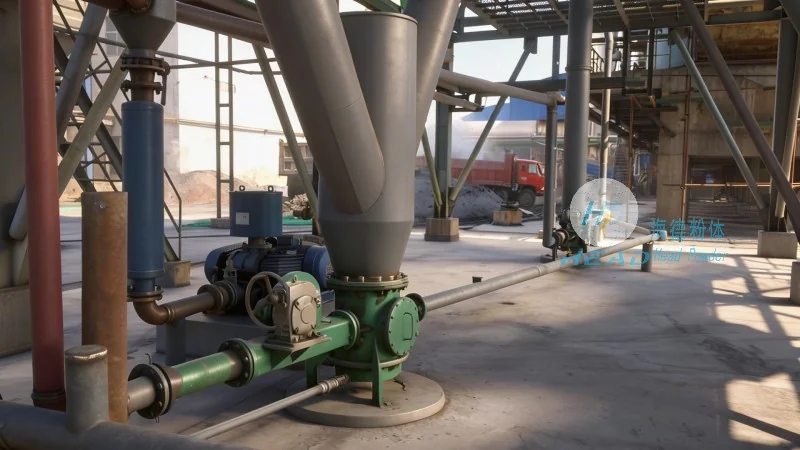
One of the most widely used methods for transporting polyethylene is through bulk handling systems. This approach is particularly suitable for large volumes of material, such as in the petrochemical and plastics manufacturing industries. Bulk transportation typically involves the use of specialized equipment like bulk carriers, tank trucks, or railcars designed to carry polyethylene in its solid or liquid form. These systems are optimized for high throughput and minimal handling, reducing the risk of material degradation or loss during transit.
In many cases, polyethylene is transported in the form of pellets or granules. For such materials, conveyor systems are a common choice. These systems can range from simple belt conveyors to more complex automated systems that integrate with production lines. Conveyor systems are efficient for moving polyethylene from storage areas to processing units, ensuring a smooth and continuous flow of material. They are also adjustable to accommodate different sizes and types of polyethylene pellets, making them versatile for various applications.
Specialized Transportation Solutions

For specialized applications or when dealing with high-value polyethylene products, more tailored transportation methods may be necessary. One such method is the use of flexible intermediate bulk containers (FIBCs), commonly known as big bags or super sacks. These containers are ideal for transporting polyethylene in bulk quantities while providing flexibility in handling and storage. FIBCs are often used in logistics and supply chain operations where the material needs to be moved between different locations without the need for specialized bulk equipment.
Another specialized method involves the use of pneumatic conveying systems. This technology is particularly effective for transporting polyethylene powders or fine particles over short to medium distances. Pneumatic systems use air pressure to move material through a network of pipes, allowing for a dust-free and controlled transfer process. This method is advantageous for applications where contamination control is critical, as it minimizes the risk of material exposure to the environment or other substances.
Considerations for Choosing the Right Transportation Method

When selecting a transportation method for polyethylene, several factors need to be considered to ensure the most suitable approach is chosen. The first consideration is the volume of material to be transported. For large-scale operations, bulk handling systems or specialized containers like FIBCs may be more cost-effective. For smaller volumes or when transporting to specific locations, conveyor systems or pneumatic conveying might be more appropriate.
Another key factor is the physical properties of the polyethylene. Different grades of polyethylene have varying densities, moisture content, and flow characteristics, which can affect the choice of transportation method. For example, polyethylene with a higher moisture content may require additional drying or moisture control measures during transportation, which can influence the selection of equipment and systems.

The distance and route of transportation also play a significant role. For long-distance transport, bulk carriers or railcars are often preferred due to their efficiency in moving large quantities over extended distances. For shorter distances within a facility or between nearby locations, conveyor systems or pneumatic conveying may be more practical and cost-effective.
Cost is another critical factor to evaluate. While some methods may offer higher efficiency, they may also come with higher operational costs. It is essential to conduct a cost-benefit analysis to determine the most economical option for the specific transportation needs. This includes considering factors such as equipment maintenance, energy consumption, and labor costs associated with each method.
Conclusion
Choosing the right method for polyethylene transportation is essential for optimizing industrial operations and ensuring the safe and efficient movement of materials. By considering factors such as volume, material properties, distance, and cost, businesses can select the most appropriate transportation method. Whether through bulk handling systems, conveyor systems, or specialized solutions like FIBCs and pneumatic conveying, the goal is to maintain the quality of the polyethylene while minimizing downtime and operational expenses. As a leading provider in the field, Shandong HeadPowder Engineering Co., Ltd. offers expertise and solutions tailored to meet the diverse transportation needs of polyethylene in various industrial applications.

 Shandong Headpowder Engineering Co., Ltd.
 156-6277-7102(Quản lý Trương)
  0531-83386006
  Thành phố Tế Nam, Tỉnh Sơn Đông, Trung Quốc
Điện thoại
WeChatTư vấn
Lên đầu