Chuyên sâu trong lĩnh vực vật liệu rời công nghiệp, cung cấp giải pháp môi trường thông minh tích hợp cho phối trộn tự động, cấp liệu tập trung, khử lưu huỳnh và khử nitơ khô!
When it comes to the transportation of lithium fluoride, there are several methods that can be employed depending on the specific requirements of the application and the scale of operation. Lithium fluoride (LiF) is a chemical compound widely used in various industries, including nuclear energy, glass manufacturing, and as a component in certain pharmaceuticals. The choice of transport method is crucial for ensuring the safety, efficiency, and compliance with regulations during the handling and movement of this material.
Understanding Lithium Fluoride and Its Transport Requirements
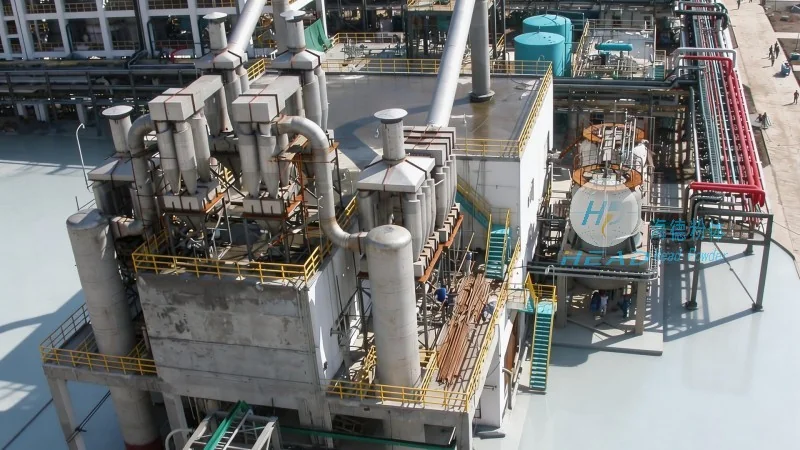
Lithium fluoride is a white crystalline solid that is hygroscopic, meaning it readily absorbs moisture from the air. This property makes it important to handle and transport it in a manner that minimizes exposure to humidity and other environmental factors that could degrade its quality or pose safety risks. The material is also classified as a hazardous substance in many regions due to its potential to cause skin and eye irritation, as well as its reactivity with certain materials under specific conditions. Therefore, the transport methods must adhere to strict safety protocols and regulatory standards to prevent accidents and ensure the integrity of the product.
Common Methods for Transporting Lithium Fluoride
Several methods are commonly used for the transport of lithium fluoride, each with its own advantages and considerations. The selection of a method often depends on factors such as the quantity being transported, the distance, the need for temperature control, and the specific handling requirements of the material. The primary methods include bulk transport via trucks or rail, as well as specialized containers for smaller quantities. Additionally, some applications may require the use of specialized equipment like vacuum-sealed containers or cryogenic storage for certain forms of lithium fluoride, particularly when dealing with high-purity or specialized grades.

Bulk Transportation via Trucks and Rail
For larger quantities of lithium fluoride, bulk transportation using trucks or rail is a common and efficient method. Trucks are often used for shorter distances and more flexible delivery schedules, while rail is preferred for longer distances and higher volumes due to its lower cost per ton and reduced carbon footprint compared to road transport. In both cases, the material is typically stored in specialized containers that are designed to prevent leakage and protect against environmental exposure. These containers are often made of corrosion-resistant materials such as stainless steel or lined with materials that are compatible with lithium fluoride to avoid chemical reactions. The containers are also equipped with proper ventilation and pressure relief systems to ensure safe handling during transport.
Specialized Containers for Smaller Quantities
For smaller quantities of lithium fluoride, specialized containers such as drums, pails, or bags are commonly used. These containers are typically made of materials that are resistant to the chemical properties of lithium fluoride, such as polyethylene or other plastic composites. The containers are often sealed with tight-fitting lids to prevent moisture ingress and are sometimes equipped with desiccants to maintain the dryness of the material. This method is particularly useful for transporting lithium fluoride to locations where bulk transport is not feasible or when the quantity required is relatively small. The use of these specialized containers ensures that the material remains in good condition and is handled safely throughout the transportation process.

Temperature-Controlled Transport
Some forms of lithium fluoride, especially those with high purity or specialized applications, may require temperature-controlled transport. This is particularly relevant when dealing with lithium fluoride that is used in nuclear applications or as a component in high-tech manufacturing processes. Temperature-controlled transport involves the use of refrigerated or insulated containers that maintain the material at a specific temperature range to prevent degradation or changes in its physical properties. This method is crucial for ensuring the quality and performance of the lithium fluoride upon arrival at its destination. The temperature control is typically achieved through the use of refrigeration units or insulating materials that are integrated into the transport containers.
Regulatory Compliance and Safety Measures
Regardless of the transport method chosen, compliance with regulatory requirements is essential for the safe and legal transport of lithium fluoride. This includes adherence to hazardous materials regulations, proper labeling of containers, and the use of trained personnel for handling and transportation. Companies involved in the transport of lithium fluoride must ensure that their operations meet the standards set by relevant authorities, such as the Department of Transportation (DOT) in the United States or equivalent agencies in other countries. Safety measures such as personal protective equipment (PPE), proper ventilation, and emergency response plans are also critical components of the transport process to minimize risks and protect both personnel and the environment.
Conclusion
In conclusion, the transport of lithium fluoride involves a range of methods that are carefully selected based on the specific needs of the application. From bulk transportation via trucks and rail to specialized containers for smaller quantities, each method is designed to ensure the safe and efficient movement of this important chemical compound. By adhering to strict safety protocols and regulatory standards, companies can effectively transport lithium fluoride while maintaining its quality and ensuring compliance with all relevant requirements. The expertise and experience of companies like Shandong HeadPowder Engineering Co., Ltd., with their facilities located in Shandong, China, play a vital role in providing reliable and safe transport solutions for lithium fluoride and other chemical products.

 Shandong Headpowder Engineering Co., Ltd.
 156-6277-7102(Quản lý Trương)
  0531-83386006
  Thành phố Tế Nam, Tỉnh Sơn Đông, Trung Quốc
Điện thoại
WeChatTư vấn
Lên đầu