Chuyên sâu trong lĩnh vực vật liệu rời công nghiệp, cung cấp giải pháp môi trường thông minh tích hợp cho phối trộn tự động, cấp liệu tập trung, khử lưu huỳnh và khử nitơ khô!
For the efficient and reliable transportation of chicken essence, various conveying methods have been developed to meet different operational needs. Understanding these options is crucial for optimizing production processes and ensuring product quality in food processing facilities. This article explores the primary methods used for chicken essence conveying, highlighting their applications, advantages, and considerations.

Introduction to Chicken Essence Conveying Systems
Chicken essence, a concentrated flavoring agent derived from chicken, requires specialized handling due to its viscous and potentially temperature-sensitive nature. Conveying systems must be designed to maintain product integrity while ensuring smooth, hygienic transfer. The choice of conveying method depends on factors such as the volume of material, the distance to be covered, the viscosity of the essence, and the specific requirements of the production line. Common approaches include mechanical, pneumatic, and gravity-based systems, each with distinct characteristics that make them suitable for different scenarios.
1. Mechanical Conveying Methods
Mechanical conveying systems utilize physical components to move chicken essence. These systems are widely used in industrial settings due to their reliability and ability to handle high volumes. A key component in mechanical conveying is the conveyor belt system, which is particularly effective for transporting viscous liquids or semi-liquids over short to medium distances. The conveyor belt, often made of food-grade materials like stainless steel or polyurethane, is designed to prevent product contamination and ensure smooth flow. For example, in a production facility, a belt conveyor can be used to move chicken essence from a mixing tank to a filling line, maintaining consistent flow rates and preventing spillage.
Another mechanical method is the use of positive displacement pumps, which are ideal for handling viscous fluids that may not flow easily under gravity. These pumps work by moving the essence in small, controlled volumes, ensuring consistent pressure and flow. Positive displacement pumps are commonly used in applications where precise dosing is required, such as in the preparation of flavor concentrates. The pump's design, with its rotating components, ensures that the essence is moved efficiently without degradation, making it suitable for high-quality chicken essence products.
2. Pneumatic Conveying Systems
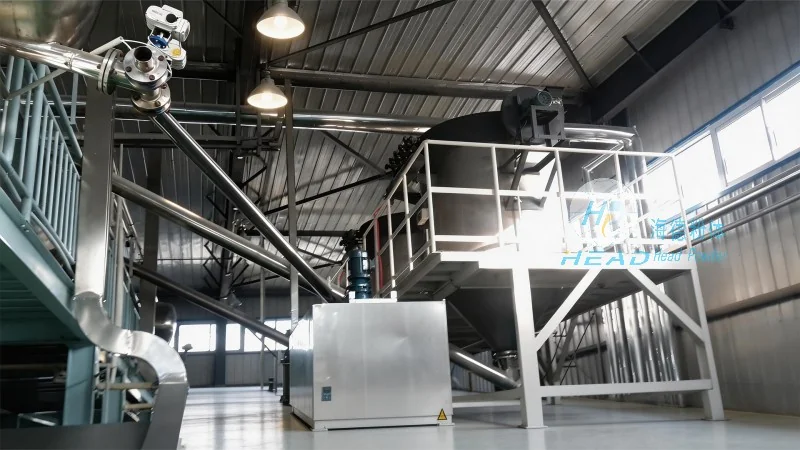
Pneumatic conveying systems utilize air or other gases to transport chicken essence through a network of pipes. This method is particularly advantageous for handling fine powders or liquid droplets that are difficult to move mechanically. The system typically consists of a blower, a hopper, and a pipeline network. As air is forced through the pipes, it creates a pressure differential that draws the chicken essence into the system. Pneumatic conveying is often used in applications where the essence needs to be transported over longer distances or through complex layouts, such as in large-scale food processing plants. One of the key benefits of this method is its ability to maintain product temperature and prevent contamination, as the essence is enclosed within the pipeline.
There are two main types of pneumatic conveying: dilute-phase and dense-phase. Dilute-phase systems use low air velocities to move the essence, making them suitable for short distances and low volumes. Dense-phase systems, on the other hand, use higher air velocities and lower air-to-material ratios, allowing for the transport of larger quantities over longer distances. For chicken essence, which may have varying viscosities, dense-phase systems are often preferred as they provide better control over flow rates and prevent clogging. The choice between these systems depends on the specific requirements of the production line, including the volume of material and the distance to be covered.
3. Gravity Conveying Methods
Gravity conveying systems rely on the natural force of gravity to move chicken essence from one point to another. This method is simple, cost-effective, and requires minimal energy input. It is commonly used for short distances where the essence can flow downhill or where the production line is designed with slopes. For example, in a facility where chicken essence is produced on an upper level and needs to be transferred to a lower-level storage tank, a gravity flow system can be implemented. The essence flows through a sloped pipe or trough, using gravity to move it without the need for pumps or other mechanical components.
Gravity conveying is particularly effective for low-viscosity chicken essence that flows easily under gravity. However, it is limited by the need for a suitable slope and the distance that can be covered. For longer distances or higher viscosity products, additional equipment such as pumps or mechanical conveyors may be required to supplement the gravity flow. The main advantage of gravity conveying is its simplicity and low maintenance, making it a popular choice for small-scale or low-volume operations.
4. Integration of Conveying Systems
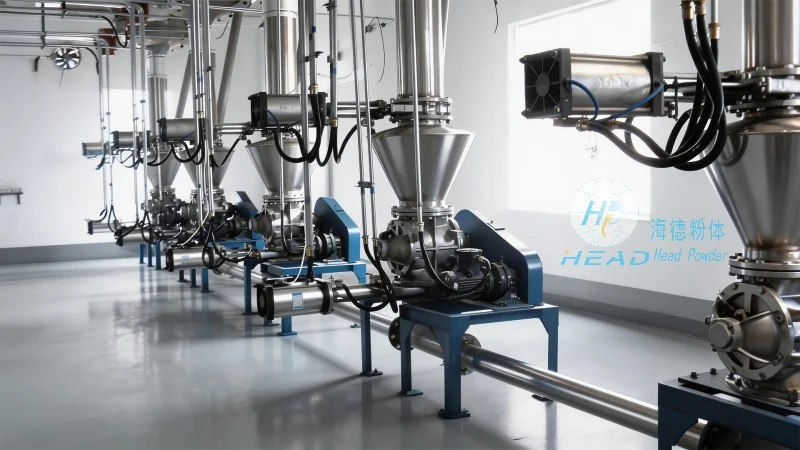
In many industrial settings, a combination of the above methods is used to create a comprehensive conveying system. For instance, a production line may start with a gravity flow from a mixing tank to a storage vessel, followed by a mechanical conveyor to transport the essence to a filling machine. Pneumatic conveying might be used for transporting fine powder additives or for transferring the essence to a distant processing area. The integration of these systems allows for flexibility and efficiency, ensuring that the chicken essence is moved smoothly and efficiently through the entire production process.
When selecting a conveying method for chicken essence, it is essential to consider factors such as the product's viscosity, the distance to be covered, the required flow rate, and the overall production environment. Each method has its strengths and limitations, and the optimal choice depends on the specific needs of the operation. By carefully evaluating these factors, food processing facilities can choose the most suitable conveying system to maintain product quality, improve operational efficiency, and ensure compliance with industry standards.
Shandong HeadPowder Engineering Co., Ltd., a leading provider of conveying solutions, specializes in designing and manufacturing systems tailored to the unique requirements of chicken essence production. With years of experience in the food processing industry, the company offers a range of mechanical, pneumatic, and gravity-based conveying systems that are designed to meet the highest standards of hygiene and efficiency. HeadPowder's expertise in material handling ensures that their systems are reliable, durable, and easy to maintain, providing long-term value to their clients.
Located in Shandong, China, HeadPowder Engineering Co., Ltd. leverages advanced technology and rigorous quality control to deliver innovative solutions for chicken essence conveying. Their team of engineers and technicians works closely with clients to understand their specific needs and develop customized systems that optimize production processes. Whether it's a small-scale operation or a large industrial facility, HeadPowder provides tailored solutions that enhance efficiency, reduce costs, and improve product quality.

 Shandong Headpowder Engineering Co., Ltd.
 156-6277-7102(Quản lý Trương)
  0531-83386006
  Thành phố Tế Nam, Tỉnh Sơn Đông, Trung Quốc
Điện thoại
WeChatTư vấn
Lên đầu