Chuyên sâu trong lĩnh vực vật liệu rời công nghiệp, cung cấp giải pháp môi trường thông minh tích hợp cho phối trộn tự động, cấp liệu tập trung, khử lưu huỳnh và khử nitơ khô!
When it comes to handling and transporting poultry feathers, selecting the right conveying method is crucial for efficiency and cost-effectiveness in processing operations. The choice of method depends on various factors including the volume of feathers, the distance they need to be moved, the physical properties of the feathers, and the overall layout of the processing facility. In this article, we explore the primary methods used for poultry feather conveying, highlighting the advantages and considerations for each approach.
1. Mechanical Conveying Systems

Mechanical conveying systems utilize physical components such as belts, chains, or screws to move feathers through a system. These systems are often employed for short to medium distances and are particularly effective when dealing with larger volumes of feathers that require consistent, low-speed movement. One common type is the belt conveyor, which uses a continuous loop of material to transport feathers horizontally or at a slight incline. This method is ideal for applications where the feathers are relatively dry and free-flowing, as the belt provides gentle handling without causing excessive breakage. For example, in a feather processing plant, a belt conveyor might be used to move feathers from a collection bin to a cleaning or sorting stage. The mechanical design of these systems allows for easy integration with other processing equipment, making them a versatile choice for many facilities.
2. Pneumatic Conveying Systems
Pneumatic conveying, or air-based systems, use compressed air to transport feathers through a network of pipes. This method is highly effective for moving feathers over longer distances and in environments where dust control is a priority. There are two main types of pneumatic systems: dilute-phase and dense-phase. Dilute-phase systems use a high volume of air to create a cloud of feathers, which is then carried through the pipeline. This approach is suitable for shorter distances and when the feathers are relatively light and free-flowing. Dense-phase systems, on the other hand, use a lower volume of air to push a concentrated stream of feathers, making them ideal for longer distances and when the feathers are heavier or more compact. Pneumatic conveying offers advantages such as the ability to transport feathers in a closed system, reducing dust emissions and improving safety in the workplace. However, these systems require significant energy input and may be more complex to maintain compared to mechanical alternatives.
3. Screw Conveyors

Screw conveyors, also known as auger conveyors, are another mechanical option that uses a rotating screw to move feathers through a trough. This method is particularly effective for moving feathers vertically or at a steep incline, making it suitable for applications where space is limited or where the feathers need to be elevated to a higher level. The screw's rotation creates a pushing action that propels the feathers forward, and the trough design helps contain the material. Screw conveyors are often used in combination with other equipment, such as hoppers or storage bins, to create a continuous material flow. They are known for their simplicity and reliability, as they have few moving parts and require minimal maintenance. However, they may not be as effective for very light or fine feathers, as the screw can cause some breakage or separation of the material.
4. Bucket Elevators
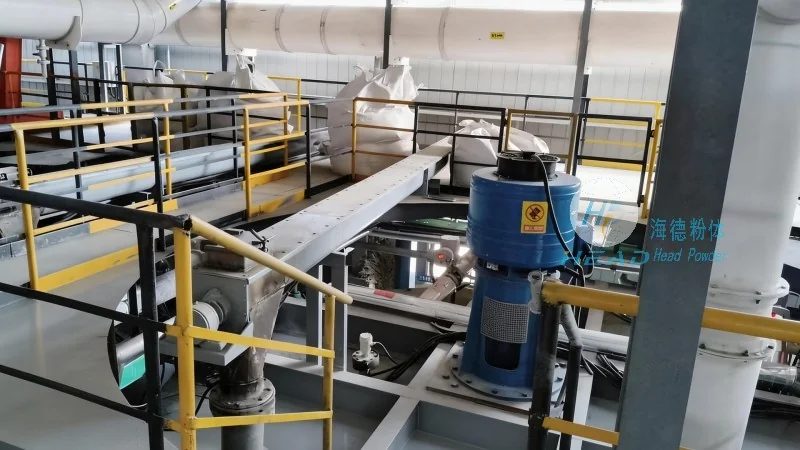
Bucket elevators are a specialized form of mechanical conveying system designed to move feathers vertically over significant heights. These systems consist of a vertical or inclined conveyor with a series of buckets attached to a chain or belt. As the buckets move up the conveyor, they scoop up feathers from a lower hopper and discharge them into a higher hopper or processing area. Bucket elevators are highly efficient for vertical transport and are commonly used in poultry processing plants where feathers need to be lifted from the ground level to a processing line or storage area. They are capable of handling large volumes of feathers and can operate at high speeds, making them suitable for high-throughput operations. However, the design of bucket elevators requires careful consideration of the feather's size and density to ensure proper loading and unloading of the buckets. Additionally, regular maintenance is necessary to prevent wear and tear on the buckets and the drive mechanism.
5. Combination Systems
In many processing facilities, a single conveying method may not be sufficient to handle all the requirements of feather transport. As a result, combination systems are often employed, integrating multiple types of conveyors to create a seamless workflow. For example, a facility might use a belt conveyor to transport feathers from a collection area to a pneumatic system that then moves them to a storage silo. This approach allows for flexibility in handling different feather characteristics and distances. Combination systems can be more complex to design and operate, as they require coordination between different components. However, they offer the advantage of optimizing the overall process, reducing bottlenecks, and improving efficiency. The choice of combination system depends on the specific layout of the facility and the processing needs, ensuring that each part of the conveying system works in harmony to achieve the desired outcome.

6. Factors to Consider When Choosing a Conveying Method
When selecting a poultry feather conveying method, several key factors must be considered to ensure the best fit for the operation. First, the volume and characteristics of the feathers are critical. Larger, heavier feathers may require more robust mechanical systems, while lighter, finer feathers might be better suited for pneumatic transport. Second, the distance and layout of the processing facility play a significant role. Short distances may allow for the use of simpler mechanical systems, while longer distances or complex layouts may necessitate pneumatic or combination systems. Third, the need for dust control and environmental compliance is an important consideration, as some methods, like pneumatic systems, offer better containment of dust compared to open mechanical conveyors. Fourth, the cost of installation, operation, and maintenance must be evaluated. Mechanical systems are often lower in initial cost but may have higher maintenance expenses, while pneumatic systems may have higher energy costs but lower maintenance requirements. Finally, the compatibility with existing equipment and the ability to integrate with other processing steps should be considered to ensure a smooth and efficient operation.
7. Conclusion
Choosing the right poultry feather conveying method is a critical decision for any processing facility, as it directly impacts operational efficiency, cost, and product quality. By understanding the different options available and considering the specific needs of the operation, facilities can select the most appropriate conveying system. Whether using mechanical systems like belt conveyors or screw conveyors, pneumatic systems, or combination approaches, the goal is to create a reliable and efficient workflow that meets the demands of feather processing. As technology continues to advance, new innovations may emerge to further improve conveying methods, but the fundamental principles of matching the method to the material and process remain key to success. For facilities looking to optimize their feather handling operations, consulting with experts and evaluating the specific requirements of their operation will lead to the best choice for their needs.

 Shandong Headpowder Engineering Co., Ltd.
 156-6277-7102(Quản lý Trương)
  0531-83386006
  Thành phố Tế Nam, Tỉnh Sơn Đông, Trung Quốc
Điện thoại
WeChatTư vấn
Lên đầu