Chuyên sâu trong lĩnh vực vật liệu rời công nghiệp, cung cấp giải pháp môi trường thông minh tích hợp cho phối trộn tự động, cấp liệu tập trung, khử lưu huỳnh và khử nitơ khô!
When it comes to the efficient and reliable production of lithium-ion batteries, the conveyance of positive electrodes is a critical step. The method used for this process directly impacts the overall quality, consistency, and throughput of the battery manufacturing line. As a leading provider in the field, Shandong HeadPowder Engineering Co., Ltd., based in Shandong, China, specializes in developing and implementing advanced solutions for battery electrode handling. This article explores the common methods of conveyance for lithium-ion battery positive electrodes, highlighting their applications and benefits.
1. Mechanical Conveyance Systems
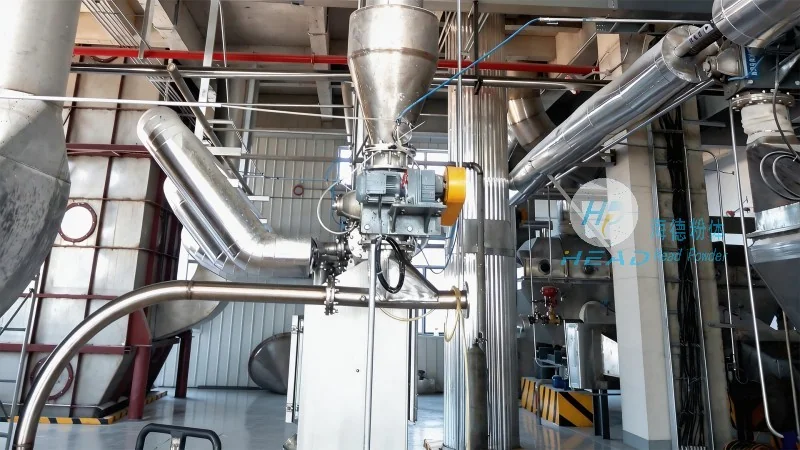
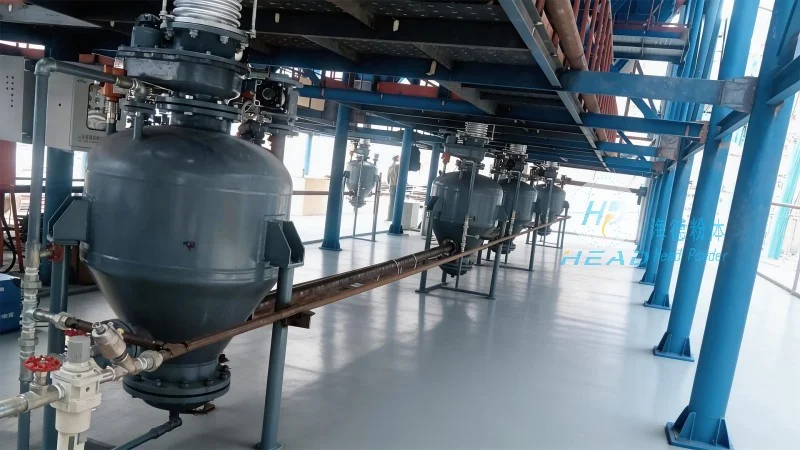
One of the most traditional and widely used methods for conveying lithium-ion battery positive electrodes is through mechanical systems. These systems typically involve conveyor belts, rollers, and other mechanical components designed to transport electrode sheets or slabs from one stage of the production line to the next. Mechanical conveyance is valued for its simplicity, cost-effectiveness, and reliability. It is particularly suitable for applications where the electrode material is relatively stable and does not require delicate handling. In many battery manufacturing facilities, mechanical conveyors are used to move electrodes from the coating or drying stages to the next processing step, such as slitting or tabbing. The smooth operation of these systems ensures minimal damage to the electrode surface, which is crucial for maintaining the battery's performance characteristics.
2. Automated Pneumatic Conveyance
With the increasing demand for higher precision and automation in battery production, pneumatic conveyance has become a popular alternative to traditional mechanical systems. Pneumatic conveyance utilizes air pressure to move positive electrodes through a network of pipes or ducts. This method is especially effective for handling delicate or lightweight electrode materials, as it minimizes physical contact and reduces the risk of contamination or damage. Automated pneumatic systems can be integrated with other production equipment, allowing for seamless and continuous material flow. They are often used in high-speed production lines where the need for rapid and precise movement is essential. The flexibility of pneumatic conveyance also allows for easy reconfiguration of the production layout, making it adaptable to different production scales and requirements. By leveraging advanced control systems, these pneumatic conveyors can be programmed to follow specific routes and timing, ensuring optimal coordination with other manufacturing processes.
3. Robotic Handling and Gripping Systems
For applications that demand the highest level of precision and flexibility, robotic handling systems are increasingly being adopted in lithium-ion battery production. These systems use robotic arms equipped with specialized grippers to pick up and move individual or small batches of positive electrodes. Robotic conveyance offers significant advantages in terms of accuracy and adaptability. Unlike fixed mechanical or pneumatic systems, robotic arms can be programmed to handle electrodes of varying sizes and shapes, making them suitable for diverse production needs. This flexibility is particularly valuable in research and development settings, where new electrode formulations or designs are frequently tested. Robotic handling also enhances safety in the production environment by reducing the need for human workers to interact with potentially hazardous materials or equipment. However, the implementation of robotic systems requires careful calibration and integration with other production processes to ensure smooth operation and consistent performance.
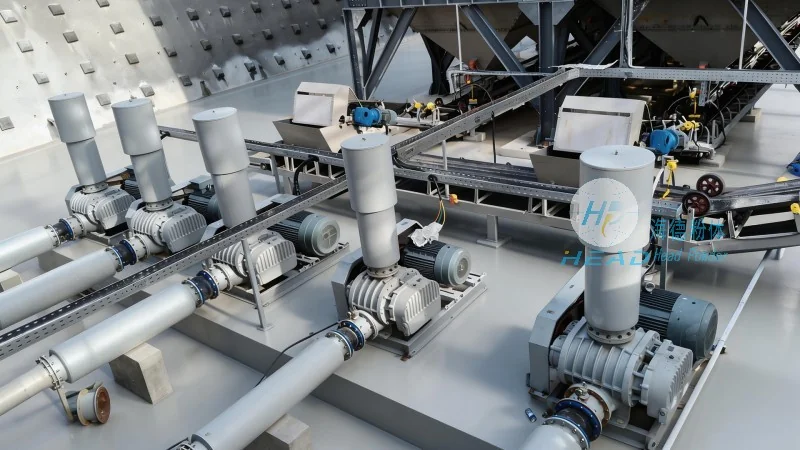
4. Integrated Conveyance Solutions
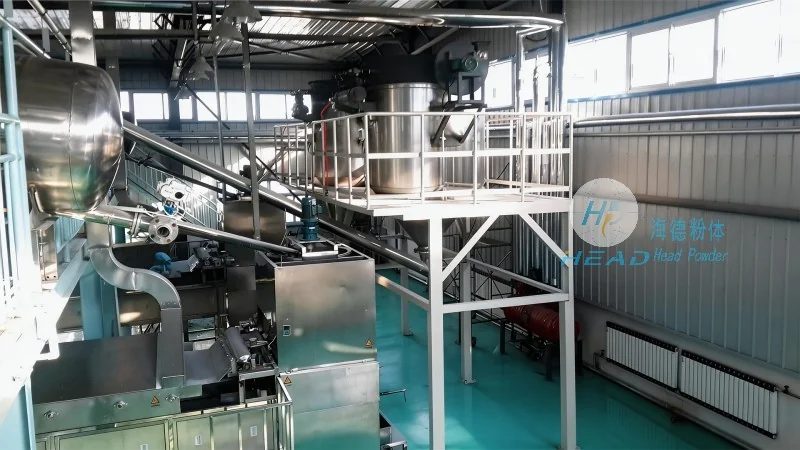
In modern battery manufacturing, the trend is towards integrated conveyance solutions that combine multiple technologies to achieve optimal performance. Shandong HeadPowder Engineering Co., Ltd. specializes in developing such integrated systems that incorporate mechanical, pneumatic, and robotic components into a unified platform. These integrated solutions are designed to address the specific challenges of each production stage, ensuring that the positive electrodes are handled with the appropriate level of care and precision. For example, an integrated system might start with a mechanical conveyor to transport electrodes from the coating machine, followed by a pneumatic section to move them to the drying oven, and then a robotic arm to place them onto the next processing station. This seamless integration minimizes downtime and maximizes production efficiency. The company's expertise in customizing these integrated solutions allows clients to tailor the conveyance method to their unique production requirements, ensuring that the final product meets the highest quality standards.
5. Considerations for Choosing a Conveyance Method
When selecting a conveyance method for lithium-ion battery positive electrodes, several factors must be considered. The first is the nature of the electrode material itself. Some materials are more fragile and require gentler handling, while others are more robust and can withstand mechanical stress. The production volume and speed are also critical factors, as high-volume operations may benefit from automated systems that can handle large quantities efficiently. Cost is another important consideration, as different methods have varying upfront and operational expenses. Additionally, the overall production layout and available space in the facility will influence the choice of conveyance system. Shandong HeadPowder Engineering Co., Ltd. provides comprehensive consultation services to help clients evaluate these factors and select the most suitable conveyance method for their specific needs. By considering all these aspects, manufacturers can optimize their production processes and ensure consistent, high-quality output.

 Shandong Headpowder Engineering Co., Ltd.
 156-6277-7102(Quản lý Trương)
  0531-83386006
  Thành phố Tế Nam, Tỉnh Sơn Đông, Trung Quốc
Điện thoại
WeChatTư vấn
Lên đầu