Chuyên sâu trong lĩnh vực vật liệu rời công nghiệp, cung cấp giải pháp môi trường thông minh tích hợp cho phối trộn tự động, cấp liệu tập trung, khử lưu huỳnh và khử nitơ khô!
When it comes to the efficient and reliable transportation of cement raw materials, various methods are employed across the industry. Understanding these common approaches is crucial for optimizing production processes and ensuring consistent quality in cement manufacturing. This article explores the primary methods used for conveying cement raw materials, highlighting their applications and benefits.
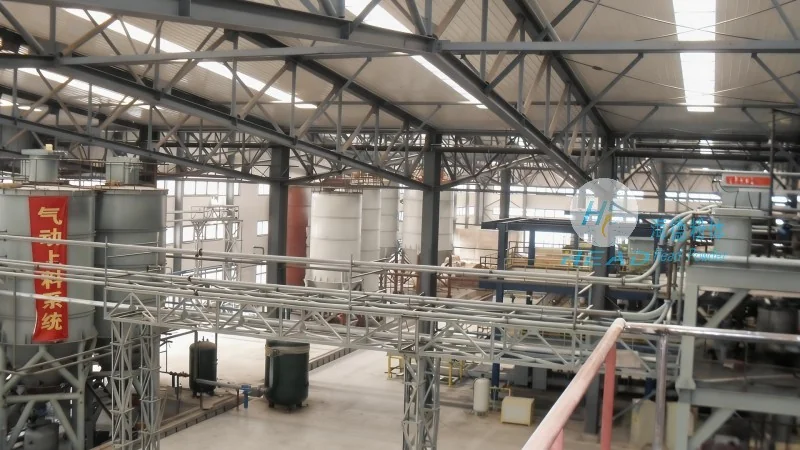
1. Belt Conveyor Systems
Belt conveyors are among the most widely used equipment for transporting bulk materials, including cement raw materials like limestone, clay, and iron ore. These systems consist of a continuous loop of conveyor belt that moves material from one point to another. The belt is supported by rollers and driven by a motor, allowing for smooth and consistent movement of raw materials over long distances. Belt conveyors are particularly effective for horizontal and slightly inclined transport, making them ideal for raw material handling in cement plants. They offer high capacity, low maintenance, and the ability to handle a wide range of material sizes and types. The robust design of belt conveyors ensures durability and long service life, which is essential for continuous production operations.
2. Bucket Elevators
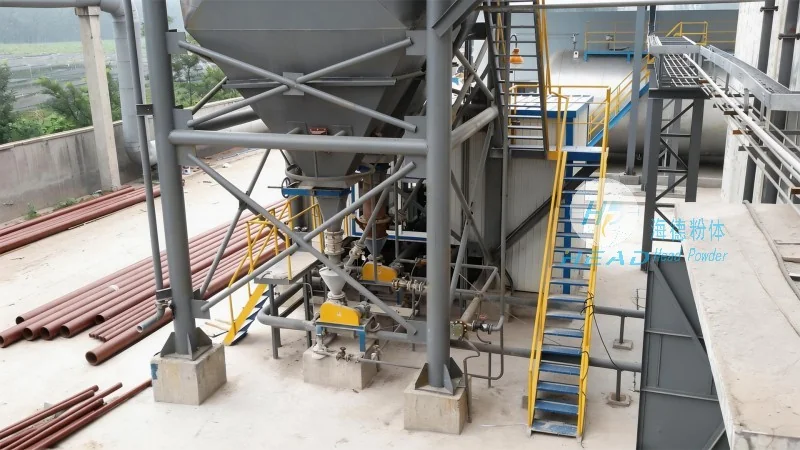
Bucket elevators, also known as vertical conveyors, are commonly used to lift cement raw materials vertically or at steep angles. These systems feature a series of buckets attached to a chain or belt that travels within a vertical housing. As the buckets move upward, they scoop up raw material from a hopper and discharge it at the top. Bucket elevators are highly efficient for vertical transport, capable of moving large volumes of material with minimal space requirements. They are particularly suitable for handling fine or powdery raw materials, such as clay or gypsum, where other conveyors might cause material degradation. The enclosed design of bucket elevators prevents dust and material spillage, contributing to a cleaner and safer working environment. This makes them a preferred choice for cement plants that prioritize dust control and material integrity.
3. Pneumatic Conveying Systems
Pneumatic conveying systems use air pressure to transport cement raw materials through a network of pipes. These systems can be classified into two main types: positive pressure and negative pressure. Positive pressure systems blow air into the pipe, pushing the material forward, while negative pressure systems create a vacuum to draw material into the pipe. Pneumatic conveyors are ideal for transporting fine powders and granular materials over moderate distances. They offer the advantage of being enclosed, which reduces dust emissions and improves safety. Additionally, these systems can handle materials with varying moisture content and can be integrated with other processing equipment, such as grinding mills. However, they may require higher energy consumption compared to mechanical conveyors and can be more complex to maintain. The choice of pneumatic conveying depends on the specific characteristics of the raw material and the plant layout.
4. Screw Conveyors
Screw conveyors, also known as auger conveyors, are used for the horizontal or slightly inclined transport of cement raw materials. These systems consist of a rotating screw inside a trough or tube, which moves material along the length of the conveyor. Screw conveyors are particularly effective for handling dry, free-flowing materials like limestone and sand. They are simple in design, requiring minimal maintenance, and can be easily integrated into existing processing lines. The enclosed design of screw conveyors helps contain dust and prevent material spillage, contributing to a cleaner working environment. Screw conveyors are also capable of handling materials with varying bulk densities and can be adjusted to different speeds for precise material control. This makes them a versatile option for conveying raw materials in cement production.
5. Chain Conveyors
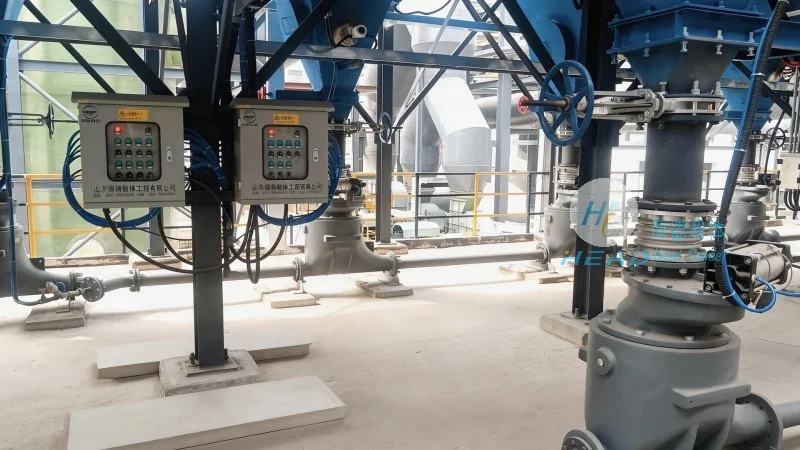
Chain conveyors use a series of metal chains with attached buckets or flights to transport cement raw materials. These systems are similar to bucket elevators but are often used for horizontal or inclined transport. Chain conveyors are highly durable and can handle heavy loads, making them suitable for transporting large quantities of raw materials. They are particularly effective for materials that are abrasive or have high bulk density, such as crushed limestone. The robust construction of chain conveyors ensures long service life and minimal downtime, which is critical for continuous production operations. Chain conveyors can be designed with variable speeds and can be integrated with other equipment, such as feeders and screens, to enhance material handling efficiency. This makes them a reliable choice for cement plants that require high-capacity and consistent material transport.
6. Combination Systems
In many cement plants, a combination of conveyor systems is used to optimize raw material transport. For example, a belt conveyor might be used for horizontal transport, followed by a bucket elevator for vertical lifting, and then a pneumatic conveyor for final processing. These integrated systems allow for seamless material flow from the raw material storage area to the grinding mills and kilns. The use of combination systems enhances overall efficiency, reduces material handling time, and minimizes energy consumption. By coordinating different conveyor types, cement plants can achieve better control over material quality and reduce waste. The design of combination systems requires careful planning to ensure smooth transitions between different equipment and to avoid material degradation or loss. This approach is particularly effective for large-scale cement production facilities that need to handle high volumes of raw materials.
Choosing the right method for cement raw material conveying depends on several factors, including the type of raw material, the distance to be covered, the required capacity, and the plant layout. Each method has its own advantages and limitations, and the optimal solution often involves a combination of technologies tailored to the specific needs of the cement plant. By selecting the appropriate conveyor system, cement manufacturers can improve operational efficiency, reduce costs, and ensure consistent product quality. The expertise of companies like Shandong HeadPowder Engineering Co., Ltd. plays a crucial role in designing and implementing these systems, providing customized solutions that meet the unique requirements of each client.

 Shandong Headpowder Engineering Co., Ltd.
 156-6277-7102(Quản lý Trương)
  0531-83386006
  Thành phố Tế Nam, Tỉnh Sơn Đông, Trung Quốc
Điện thoại
WeChatTư vấn
Lên đầu