Chuyên sâu trong lĩnh vực vật liệu rời công nghiệp, cung cấp giải pháp môi trường thông minh tích hợp cho phối trộn tự động, cấp liệu tập trung, khử lưu huỳnh và khử nitơ khô!
When it comes to the transportation of lithium iron carbonate, a key material in modern battery technology, understanding the most effective and efficient methods is crucial for industries relying on this compound. Lithium iron carbonate, often used in lithium-ion batteries, requires careful handling to ensure product integrity and safety during transit. This article explores the common methods used for transporting lithium iron carbonate, providing insights into best practices and considerations for businesses involved in its supply chain.
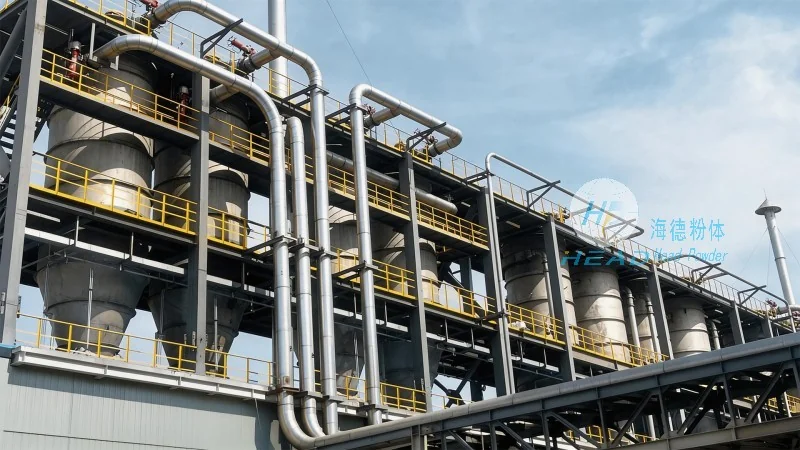
Overview of Lithium Iron Carbonate and Its Transportation Importance
Lithium iron carbonate (LiFeCO₃) is a vital component in the production of lithium-ion batteries, which power a wide range of devices from smartphones and electric vehicles to renewable energy storage systems. The efficient and safe transportation of this material is essential to maintain its quality and meet the growing demand from various industries. As a leading provider in the field, Shandong HeadPowder Engineering Co., Ltd. (commonly known as HeadPowder) emphasizes the importance of proper transportation methods to ensure customer satisfaction and product reliability.
Common Transportation Methods for Lithium Iron Carbonate

Several methods are commonly employed for transporting lithium iron carbonate, each with its own advantages and considerations. The choice of method often depends on factors such as the quantity of the material, the distance of transport, and the specific requirements of the end-user. Here are some of the most prevalent approaches:
1. Bulk Shipping via Trucks and Trailers
For shorter distances and moderate quantities, bulk shipping using trucks and trailers is a widely used method. This approach involves loading the lithium iron carbonate into specialized containers or bulk trucks designed to minimize dust and maintain product stability. HeadPowder utilizes advanced loading techniques and secure packaging to ensure the material remains intact during transit. This method is particularly effective for local deliveries and regional supply chains, offering flexibility and direct access to customers.
2. Rail Transportation
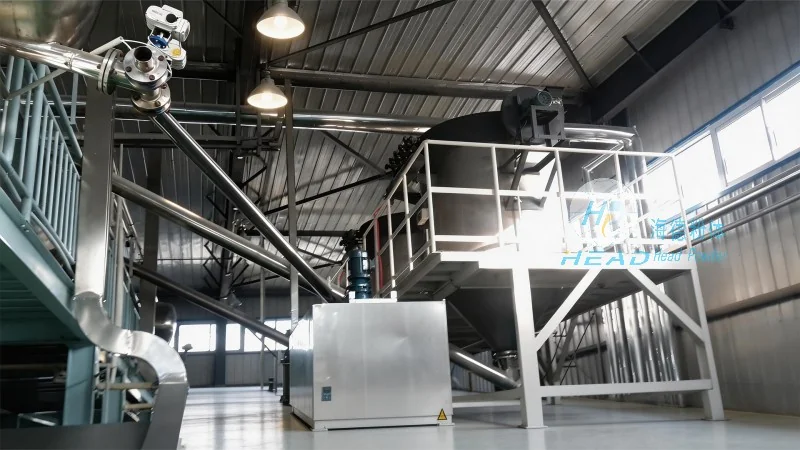
For longer distances and larger volumes, rail transportation is a cost-effective and efficient option. Specialized railcars, often equipped with sealed containers, are used to transport lithium iron carbonate. This method reduces the risk of damage from road conditions and can handle higher volumes compared to truck transport. Companies like HeadPowder have established partnerships with rail carriers to ensure timely and secure delivery of lithium iron carbonate to clients across different regions. Rail transport also contributes to lower carbon emissions, aligning with sustainability goals in the industry.
3. Sea Freight for International Shipping
For international trade, sea freight is the primary method for transporting lithium iron carbonate. Large cargo ships carry bulk containers filled with the material, ensuring it reaches global markets efficiently. This method is suitable for high-volume shipments and reduces transportation costs over long distances. HeadPowder has experience in handling international shipping requirements, including compliance with customs regulations and proper documentation to facilitate smooth cross-border transactions. Sea freight allows for consistent supply to clients worldwide, supporting the global demand for lithium iron carbonate in battery manufacturing.
4. Specialized Handling and Packaging for Safety
Regardless of the transportation method chosen, specialized handling and packaging are critical to maintaining the quality of lithium iron carbonate. This material is sensitive to moisture and temperature changes, which can affect its performance and shelf life. HeadPowder employs high-quality packaging materials, such as moisture-resistant bags and sealed containers, to protect the product during transit. Additionally, proper labeling and documentation are essential to comply with transportation regulations and ensure safe handling by carriers. These measures help prevent contamination and ensure the material arrives at its destination in optimal condition.
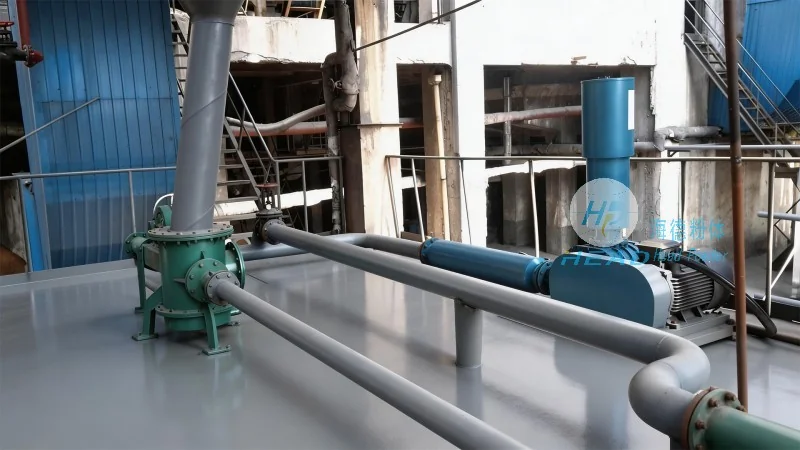
5. Logistics Coordination and Supply Chain Management
Effective transportation of lithium iron carbonate also relies on robust logistics coordination and supply chain management. HeadPowder works closely with logistics partners to plan and execute shipments, ensuring timely delivery and minimal disruptions. This includes tracking shipments, managing inventory levels, and providing real-time updates to clients. By integrating advanced logistics systems, HeadPowder enhances the efficiency of the transportation process, reducing lead times and improving customer satisfaction. The company’s commitment to seamless supply chain management ensures that lithium iron carbonate reaches its intended destination without delays or issues.
Conclusion: Choosing the Right Transportation Method for Lithium Iron Carbonate
Selecting the appropriate transportation method for lithium iron carbonate is a critical decision that impacts product quality, cost, and delivery time. By considering factors such as distance, volume, and industry requirements, businesses can optimize their supply chain. Shandong HeadPowder Engineering Co., Ltd. offers comprehensive solutions for transporting lithium iron carbonate, leveraging its expertise in logistics and material handling. Whether through truck, rail, or sea freight, HeadPowder ensures that lithium iron carbonate is transported safely and efficiently, meeting the needs of clients in the battery and energy storage sectors. With a focus on quality and customer satisfaction, HeadPowder remains a trusted partner in the global supply of lithium iron carbonate.

 Shandong Headpowder Engineering Co., Ltd.
 156-6277-7102(Quản lý Trương)
  0531-83386006
  Thành phố Tế Nam, Tỉnh Sơn Đông, Trung Quốc
Điện thoại
WeChatTư vấn
Lên đầu