Chuyên sâu trong lĩnh vực vật liệu rời công nghiệp, cung cấp giải pháp môi trường thông minh tích hợp cho phối trộn tự động, cấp liệu tập trung, khử lưu huỳnh và khử nitơ khô!
Denitrator agents, commonly used in industrial processes to reduce nitrogen oxides emissions, require efficient and reliable delivery systems to ensure optimal performance. The choice of delivery method depends on various factors such as the agent's properties, application requirements, and operational conditions. This article explores the common methods used for denitrator agent delivery, highlighting their advantages and typical applications.

Common Delivery Methods for Denitrator Agents
There are several established methods for transporting denitrator agents, each tailored to specific operational needs. The primary approaches include bulk handling, liquid transfer, and specialized pumping systems. Each method offers distinct benefits and is selected based on the agent's physical state and the system's infrastructure.
Bulk Handling and Storage Solutions
For large-scale operations, bulk handling methods are often employed. This involves storing denitrator agents in bulk containers like tanks or silos, which are then transferred to the application point via conveyor systems or pneumatic conveyors. This approach is particularly effective for dry agents that are non-hazardous and require high-volume transport. The process typically involves loading the agent into a storage tank, followed by controlled discharge into the delivery system. This method ensures consistent supply and minimizes handling risks, making it suitable for continuous industrial processes.
Liquid Transfer Systems
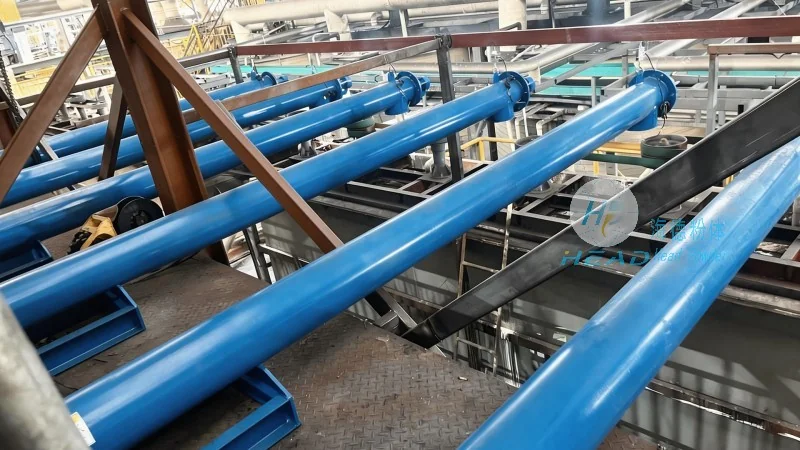
When dealing with liquid denitrator agents, specialized liquid transfer systems are utilized. These systems often include pumps, pipelines, and storage tanks designed to handle the agent's viscosity and chemical properties. Positive displacement pumps, such as gear pumps or diaphragm pumps, are commonly used to ensure accurate dosing and prevent contamination. The liquid is typically stored in sealed tanks to maintain its stability and prevent degradation. Transfer is achieved through a network of pipes, with valves and flow meters controlling the delivery rate. This method is ideal for applications requiring precise dosing, such as in flue gas treatment systems where exact amounts of the agent are critical for effective denitrification.
Pneumatic Conveying Systems

Pneumatic conveying is another common method for transporting dry denitrator agents, especially in environments where mechanical contact with the agent is undesirable. This system uses compressed air to move the dry powder through a pipeline, ensuring minimal contamination and efficient transport. The process involves feeding the dry agent into a hopper, which is connected to a conveying line. Compressed air is introduced at the inlet, creating a flow that carries the powder to the destination. Pneumatic systems are particularly useful for handling fine powders that are prone to caking or agglomeration, as the air flow helps maintain particle separation. This method is often preferred in applications where hygiene and product purity are paramount, such as in pharmaceutical or food processing industries, though it may require higher energy consumption compared to other methods.
Specialized Pumping and Dosing Systems
For applications requiring precise control over the delivery rate, specialized pumping and dosing systems are employed. These systems integrate sensors and control mechanisms to regulate the flow of denitrator agents, ensuring consistent performance. Peristaltic pumps are commonly used for liquid agents, as they provide accurate dosing without coming into direct contact with the fluid, reducing the risk of contamination. For dry agents, rotary valve feeders or screw conveyors are used in conjunction with pneumatic or mechanical systems to maintain a steady flow. The dosing system is typically connected to the application point, such as a spray tower or injection system, and is calibrated to deliver the exact amount of agent needed based on real-time process parameters. This approach enhances operational efficiency and reduces waste, making it suitable for high-precision industrial applications.
Considerations for Choosing a Delivery Method
The selection of a denitrator agent delivery method is influenced by several factors, including the agent's physical properties, the system's scale, and the operational environment. For example, dry agents with low moisture content are often transported via pneumatic systems, while liquid agents require sealed pipelines and pumps. The infrastructure available at the site, such as existing pipelines or storage facilities, also plays a role in the decision-making process. Additionally, safety considerations, such as the agent's potential hazards and the need for explosion-proof equipment, must be evaluated. Companies like Shandong HeadPowder Engineering Co., Ltd. specialize in designing and implementing customized delivery systems tailored to specific client needs, ensuring optimal performance and compliance with industry standards.

 Shandong Headpowder Engineering Co., Ltd.
 156-6277-7102(Quản lý Trương)
  0531-83386006
  Thành phố Tế Nam, Tỉnh Sơn Đông, Trung Quốc
Điện thoại
WeChatTư vấn
Lên đầu