Chuyên sâu trong lĩnh vực vật liệu rời công nghiệp, cung cấp giải pháp môi trường thông minh tích hợp cho phối trộn tự động, cấp liệu tập trung, khử lưu huỳnh và khử nitơ khô!
When it comes to the efficient and reliable transportation of sponge sand in industrial applications, understanding the various conveying methods is crucial. Sponge sand, a material widely used in foundries and other manufacturing processes, requires specialized equipment to ensure smooth and safe movement. This article explores the common methods used for sponge sand conveying, highlighting the key technologies and considerations that contribute to effective material handling.

Pneumatic Conveying Systems
Pneumatic conveying stands out as a leading method for sponge sand transportation due to its adaptability to fine, abrasive materials like sponge sand. Unlike mechanical systems that rely on moving parts, pneumatic systems utilize air pressure to transport the material through a sealed pipeline. This approach minimizes wear and reduces the risk of contamination, making it ideal for applications where material purity is critical. There are two primary configurations: pressure and vacuum systems. Pressure systems employ compressed air to push the material forward, while vacuum systems draw the material into the system using a negative pressure. For sponge sand, a pressure system is generally preferred as it offers better control over flow rates and prevents material degradation. The system typically includes a hopper for material storage, a rotary valve to regulate the flow, a conveyor pipe, and a dust collector to manage airborne particles. Pneumatic conveying excels in long-distance and high-volume applications, such as in large-scale foundries where sponge sand needs to be transported from storage to molding lines. The technology ensures consistent and reliable movement, reducing downtime and improving overall operational efficiency.

Screw Conveyors
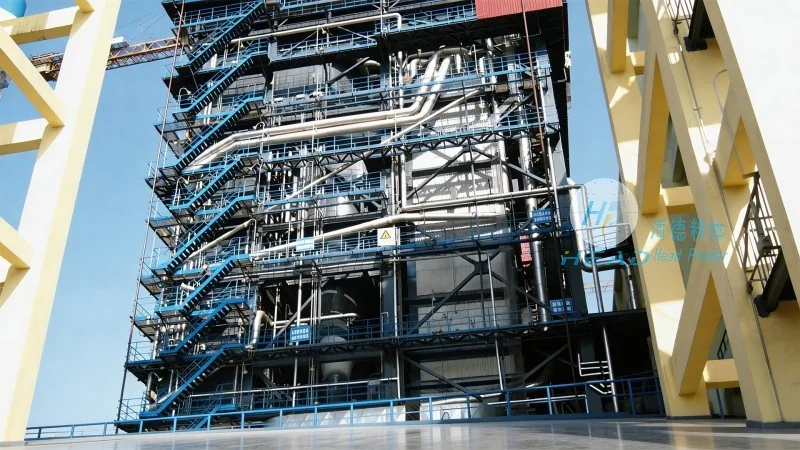
Screw conveyors, also known as auger conveyors, are another common method for sponge sand conveying. These systems use a rotating screw (auger) inside a trough to move the material forward. The screw's pitch and speed can be adjusted to control the flow rate, ensuring that the material is conveyed at the desired speed without excessive pressure or wear. Screw conveyors are ideal for horizontal or slightly inclined applications, and they can handle a wide range of material sizes and moisture content. For sponge sand, a stainless steel or corrosion-resistant screw is often used to prevent material buildup and maintain hygiene. The design typically includes a feed hopper, a discharge outlet, and a drive mechanism. Screw conveyors are particularly effective for short to medium distances and for applications where the material needs to be elevated or moved at a controlled rate. In foundries, screw conveyors are commonly used to transport sponge sand from a storage silo to a molding machine, ensuring a steady supply of material for production.
Belt Conveyors
Belt conveyors are widely used in sponge sand handling due to their ability to transport large volumes of material over long distances. These systems consist of a continuous belt that moves over rollers or pulleys, carrying the sponge sand from one location to another. The belt is typically made of durable materials like rubber or PVC, which can withstand the abrasive nature of sponge sand. The conveyor's speed and inclination can be adjusted to optimize the conveying process, ensuring that the material is moved efficiently without excessive friction or wear. Belt conveyors are suitable for both horizontal and inclined applications, and they can be integrated with other equipment such as feeders or classifiers. For sponge sand, a heavy-duty belt conveyor is recommended to handle the material's weight and prevent belt slippage. The system includes a loading hopper, a drive motor, and a discharge chute, making it a versatile solution for various industrial settings. In large foundries, belt conveyors are often used to transport sponge sand from a storage area to a processing line, supporting high-throughput operations.

 Shandong Headpowder Engineering Co., Ltd.
 156-6277-7102(Quản lý Trương)
  0531-83386006
  Thành phố Tế Nam, Tỉnh Sơn Đông, Trung Quốc
Điện thoại
WeChatTư vấn
Lên đầu