Chuyên sâu trong lĩnh vực vật liệu rời công nghiệp, cung cấp giải pháp môi trường thông minh tích hợp cho phối trộn tự động, cấp liệu tập trung, khử lưu huỳnh và khử nitơ khô!
When it comes to industrial operations involving the handling of dust and powders, efficient and reliable dust transport is crucial for maintaining productivity and safety standards. The choice of conveying method can significantly impact the overall performance of a production line. This article explores the common methods used for dust transport, highlighting their applications and advantages.

Overview of Dust Conveying Systems
Dust conveying systems are designed to move dry materials such as powders, granules, and fine particles from one location to another within a facility. These systems are essential in industries like pharmaceuticals, food processing, chemical manufacturing, and mining. The primary goal is to ensure that materials are transported with minimal loss, contamination, and energy consumption. Various technologies have been developed to address the unique challenges of different materials and operational environments.
Common Methods of Dust Transport
There are several common methods used for dust transport, each with its own set of characteristics and applications. The selection of a method depends on factors such as the material's properties, the distance to be covered, the required flow rate, and the environmental conditions. Key methods include:
Pneumatic Conveying Systems
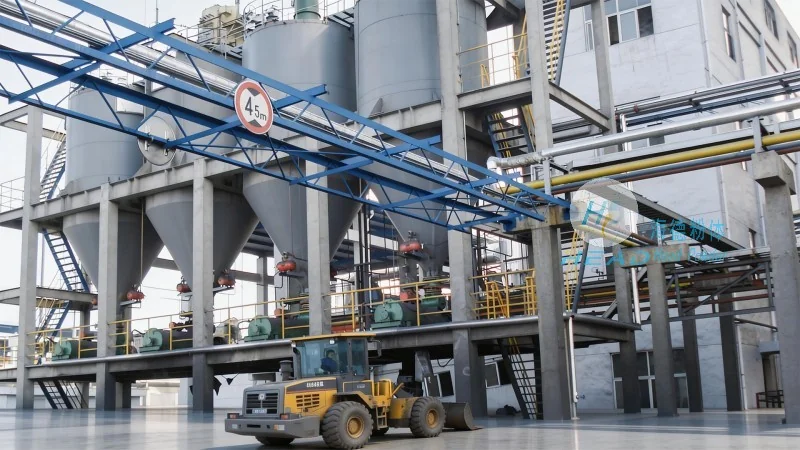
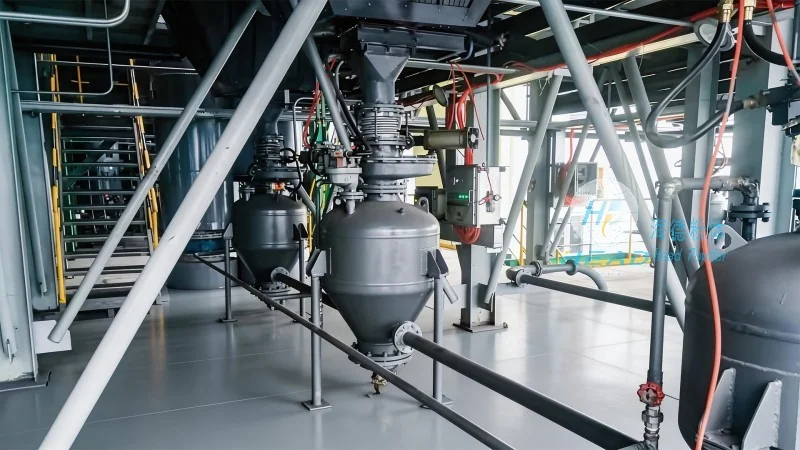
Pneumatic conveying is one of the most widely used methods for dust transport. This technology utilizes air or other gases to move materials through a pipeline. There are two main types: pressure and vacuum systems. Pressure systems use compressed air to push material through the line, while vacuum systems use suction to draw material into the pipeline. Pneumatic conveying is particularly effective for fine powders and can handle long distances and multiple transfer points. It offers advantages such as low maintenance, the ability to transport materials in a closed system, and the flexibility to integrate with other equipment.
Mechanical Conveying Systems
Mechanical conveying systems rely on mechanical components to move materials. These include screw conveyors, belt conveyors, and bucket elevators. Screw conveyors use a rotating screw to push material forward, making them suitable for horizontal or slight incline transport. Belt conveyors use a continuous belt to transport materials, often used in bulk material handling. Bucket elevators use buckets attached to a chain or belt to lift materials vertically. Mechanical systems are generally more cost-effective for short to medium distances and are commonly used in industries where the material is not highly abrasive or explosive.
Hybrid Conveying Systems
Hybrid systems combine elements of pneumatic and mechanical conveying to leverage the benefits of both. For example, a system might use a mechanical conveyor to transport material to a pneumatic transfer point, or vice versa. This approach allows for greater flexibility and can be optimized for specific operational needs. Hybrid systems are often used in complex production lines where different materials or transfer points require different handling methods.
Selection Criteria for Dust Conveying Methods
The choice of dust transport method should be based on a thorough analysis of the material characteristics and operational requirements. Key factors to consider include:
1. Material properties: The size, shape, density, and moisture content of the material can affect the choice of system. For example, highly abrasive materials may require more robust mechanical components, while fine powders are better suited to pneumatic systems.
2. Distance and layout: The distance between the source and destination, as well as the layout of the facility, will influence the type of system. Longer distances may require pneumatic systems, while shorter distances can be handled by mechanical systems.
3. Flow rate and capacity: The required volume of material to be transported per unit time is a critical factor. Systems must be sized to meet the production demands without causing bottlenecks or excessive energy consumption.
4. Environmental considerations: The need for a closed system to prevent dust emissions or the requirement for explosion-proof components may dictate the choice of method.
Applications in Industrial Settings
Dust conveying methods are applied across a wide range of industries. In the pharmaceutical industry, for example, pneumatic conveying is used to transport active pharmaceutical ingredients (APIs) and excipients with high precision and minimal contamination. In the food processing industry, mechanical conveyors are commonly used to move grains, powders, and other food products. The chemical manufacturing industry utilizes both pneumatic and mechanical systems to handle various powders and granules, ensuring safe and efficient production.
Conclusion
Selecting the appropriate dust transport method is a critical decision for industrial operations. By understanding the different options and considering the specific requirements of the material and process, companies can optimize their production lines for efficiency, safety, and cost-effectiveness. As technology advances, new and improved conveying systems continue to emerge, offering even greater flexibility and performance. For businesses seeking reliable dust transport solutions, partnering with experienced providers like Shandong HeadPowder Engineering Co., Ltd. can ensure the implementation of the most suitable system for their needs.

 Shandong Headpowder Engineering Co., Ltd.
 156-6277-7102(Quản lý Trương)
  0531-83386006
  Thành phố Tế Nam, Tỉnh Sơn Đông, Trung Quốc
Điện thoại
WeChatTư vấn
Lên đầu