Chuyên sâu trong lĩnh vực vật liệu rời công nghiệp, cung cấp giải pháp môi trường thông minh tích hợp cho phối trộn tự động, cấp liệu tập trung, khử lưu huỳnh và khử nitơ khô!
When it comes to the efficient and safe handling of polyethylene, understanding the various transport methods is crucial for industries that rely on this versatile plastic. Polyethylene, known for its durability and flexibility, is used in a wide range of applications, from packaging to construction materials. The way it is transported can significantly impact the overall supply chain, affecting production timelines and cost-effectiveness. In this article, we will explore the primary methods used for polyethylene transport, highlighting the key considerations and benefits associated with each approach.
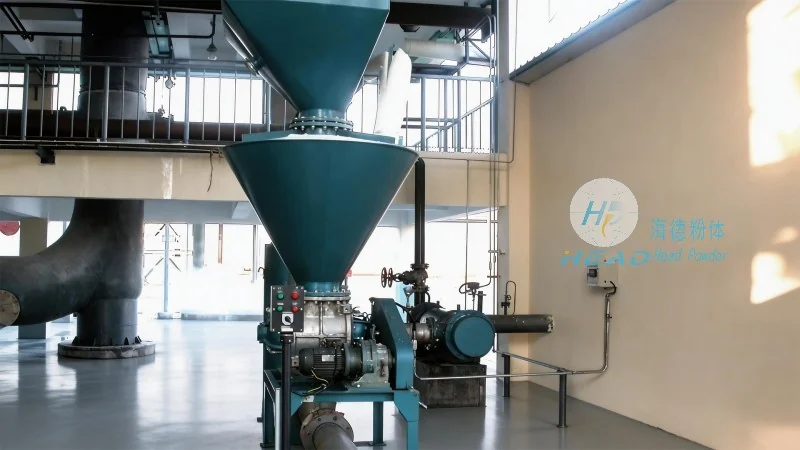
Understanding Polyethylene and Its Transport Requirements
Polyethylene is a thermoplastic polymer that comes in various forms, including low-density polyethylene (LDPE), high-density polyethylene (HDPE), and linear low-density polyethylene (LLDPE). Each type has distinct properties that influence how it should be handled during transport. For instance, HDPE is often used for containers and pipes due to its high strength, while LDPE is common in film applications. The transport method must be selected based on the specific characteristics of the polyethylene being moved, such as its viscosity, temperature sensitivity, and potential for degradation during transit.
Common Methods for Polyethylene Transport
There are several established methods for transporting polyethylene, each with its own advantages and applications. The choice of method depends on factors like the volume of material, distance, and the type of polyethylene being transported. The most common approaches include:
Pipeline Transport
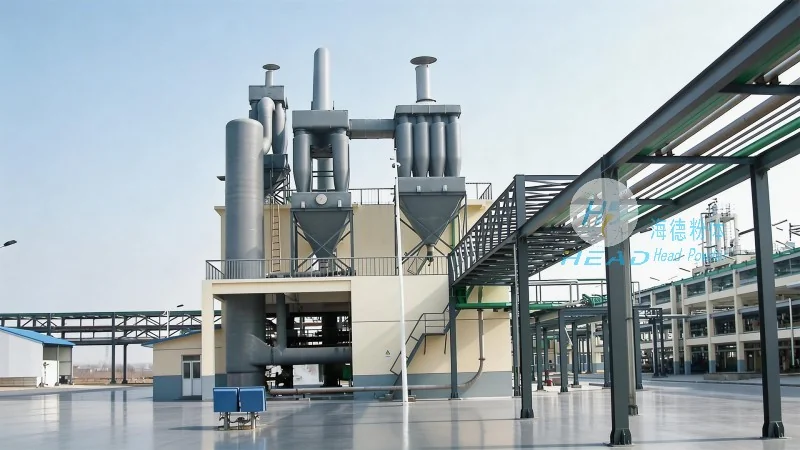
Pipeline transport is a highly efficient method for moving large volumes of polyethylene, particularly for liquids or melted polymers. This method involves pumping molten polyethylene through a network of pipes, which can be underground or above ground. The use of pipelines minimizes the need for intermediate storage and handling, reducing the risk of contamination and spillage. For example, in the petrochemical industry, polyethylene is often transported from production facilities to processing plants via pipelines. This method is especially suitable for HDPE, which can be melted and pumped at high temperatures. The infrastructure required for pipeline transport is significant, but the long-term cost savings and reliability make it a preferred choice for many large-scale operations.
Pump and Tanker Transport
For bulk polyethylene, especially in its liquid or slurry form, pump and tanker transport is widely used. This method involves using specialized pumps to move the material from storage tanks to delivery vehicles or directly to the end-user. Tankers, often equipped with heating systems to maintain the material at the optimal temperature, are used to transport the polyethylene over longer distances. The use of pumps allows for precise control over the flow rate, ensuring that the material is delivered at the right pressure and temperature. This method is particularly useful for transporting LLDPE or other polyethylene types that are more viscous and require careful handling. The equipment used in pump and tanker transport must be designed to withstand the chemical properties of polyethylene and prevent any leakage or contamination.
Truck and Rail Transport

For smaller volumes or when pipelines and tankers are not feasible, truck and rail transport are common alternatives. Trucks equipped with insulated containers or tankers are used to transport polyethylene in its solid or liquid form. Rail transport, using specialized railcars, is another option for bulk shipments. These methods are particularly useful for transporting polyethylene to remote locations or for shorter distances where pipeline infrastructure is not available. The key advantage of truck and rail transport is its flexibility, as it can reach areas that pipelines cannot. However, it is generally less efficient for large volumes compared to pipeline transport, as it involves more handling and potential for delays.
Containerized Transport
Containerized transport involves using standard shipping containers or specialized containers to move polyethylene. This method is suitable for both solid and liquid forms of polyethylene and is commonly used for international trade. Containers are designed to protect the material from external factors such as temperature changes, moisture, and physical damage. For liquid polyethylene, insulated containers are used to maintain the material at the required temperature during transit. Solid polyethylene, such as pellets or granules, can be transported in bulk containers or in bags within containers. This method is particularly useful for transporting polyethylene to different regions or countries, as it allows for easy loading and unloading at ports and terminals.
Key Considerations for Choosing a Transport Method
When selecting a transport method for polyethylene, several factors must be considered to ensure efficiency and safety. The first consideration is the volume and type of polyethylene being transported. For large volumes of liquid or melted polyethylene, pipeline or pump and tanker transport is often the most cost-effective option. For smaller volumes or when the material is in solid form, truck or rail transport, or containerized transport may be more suitable. The distance to be covered is another critical factor. Long-distance transport may require more energy and infrastructure, making pipeline transport more viable for large-scale operations. The end-user's location and accessibility also play a role, as some areas may not have pipeline infrastructure, necessitating alternative transport methods.
Ensuring Safety and Compliance
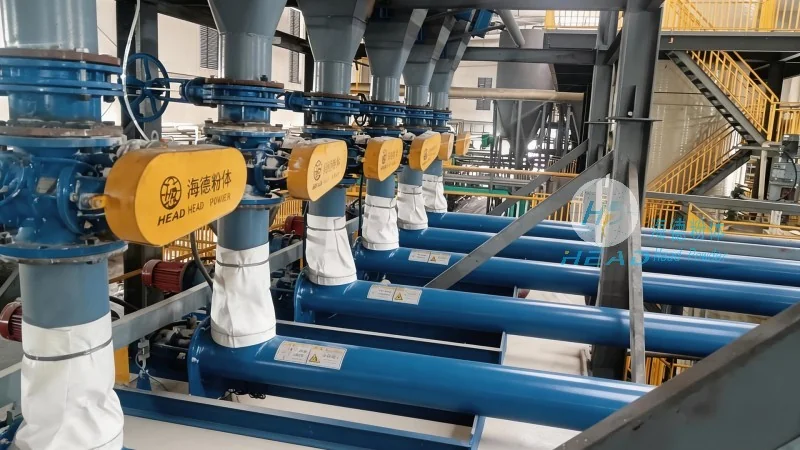
Transporting polyethylene requires strict adherence to safety and regulatory standards to prevent accidents and environmental damage. Polyethylene is generally considered non-toxic and safe for most applications, but it can be hazardous if not handled properly. For example, molten polyethylene can cause severe burns, and the material can be a fire hazard if exposed to high temperatures. Transport vehicles and equipment must be equipped with appropriate safety features, such as temperature control systems, leak detection devices, and fire suppression systems. Additionally, compliance with local and international regulations regarding the transport of hazardous materials is essential. This includes obtaining necessary permits, following proper labeling and documentation procedures, and ensuring that the transport vehicles are regularly inspected and maintained.
Conclusion
In conclusion, the choice of polyethylene transport method depends on various factors, including the volume, type, and destination of the material. Each method has its own advantages and limitations, and the optimal approach is determined by a combination of cost, efficiency, and safety considerations. For industries that rely on polyethylene, understanding and implementing the appropriate transport method is essential for maintaining a smooth and reliable supply chain. By selecting the right transport method and adhering to safety and regulatory standards, companies can ensure the efficient and safe delivery of polyethylene to their customers. As the demand for polyethylene continues to grow, the importance of effective transport methods will only increase, making it a critical aspect of the overall production and distribution process.

 Shandong Headpowder Engineering Co., Ltd.
 156-6277-7102(Quản lý Trương)
  0531-83386006
  Thành phố Tế Nam, Tỉnh Sơn Đông, Trung Quốc
Điện thoại
WeChatTư vấn
Lên đầu