Chuyên sâu trong lĩnh vực vật liệu rời công nghiệp, cung cấp giải pháp môi trường thông minh tích hợp cho phối trộn tự động, cấp liệu tập trung, khử lưu huỳnh và khử nitơ khô!
Understanding the various methods of fly ash transport is crucial for efficient handling and utilization of this byproduct from coal combustion. Fly ash, a fine powder resulting from the burning of coal in power plants, requires specialized transport solutions to ensure safe and effective movement. This article explores the primary methods used in the industry, focusing on the technologies and systems that facilitate the movement of fly ash from its source to its destination.

Key Methods of Fly Ash Transport
Several methods are commonly employed for transporting fly ash, each with its own advantages and applications. The choice of method often depends on factors such as the distance to be covered, the volume of ash to be moved, and the specific requirements of the receiving facility. The main approaches include:
Pneumatic Conveying Systems

Pneumatic conveying is a widely used method for transporting fly ash, particularly over short to medium distances. This system utilizes air pressure to move the ash through a pipeline. There are two main types of pneumatic conveying: positive displacement and pressure-assisted. Positive displacement systems use a pump to push the ash through the pipeline, while pressure-assisted systems rely on a blower to create the necessary pressure. Pneumatic conveying offers advantages such as low maintenance, the ability to handle abrasive materials, and the option to transport ash in a closed system, which helps in controlling dust and emissions. However, it may have limitations in terms of distance and material density.
Truck and Rail Transport
For longer distances or when transporting larger volumes of fly ash, truck and rail transport are common options. Trucks equipped with specialized containers can carry significant amounts of ash, making them suitable for local or regional transport. Rail transport, on the other hand, is ideal for bulk movement over longer distances, especially when the ash is to be delivered to distant locations or used in large-scale construction projects. Both truck and rail transport methods are essential for connecting power plants to disposal sites or recycling facilities. They provide flexibility in terms of route and capacity, though they may require additional infrastructure and coordination.
Slurry Transport
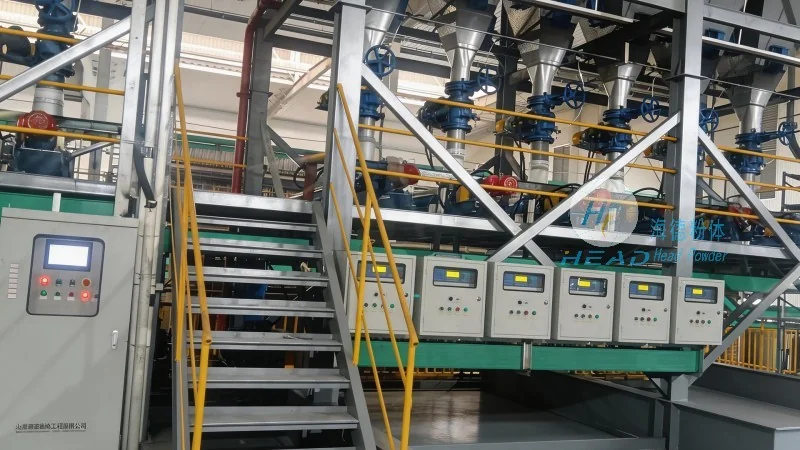
Slurry transport involves mixing fly ash with water to create a slurry, which is then pumped through pipelines. This method is particularly effective for transporting ash over long distances, as it allows for continuous flow and can handle larger volumes compared to pneumatic systems. Slurry transport systems typically include a mixing tank, a pump, and a pipeline network. The slurry can be transported to a treatment plant or a disposal site, where it is then processed or disposed of. This method is often used when the ash needs to be diluted or when the distance is extensive. However, it requires careful management of water usage and the potential for increased handling of liquid waste.
Hydraulic Conveying
Hydraulic conveying uses water to transport fly ash, similar to slurry transport but with a different approach. In hydraulic systems, the ash is mixed with water and then conveyed through a pipeline using pressure. This method is suitable for transporting ash over long distances and can handle high volumes. Hydraulic conveying is often used in large-scale projects where the ash needs to be transported to distant locations for use in concrete or other construction materials. The system typically includes a mixing station, a pump, and a pipeline network. The advantage of hydraulic conveying is its ability to handle large volumes and long distances, though it may require more water and energy compared to other methods.

Company Overview: Shandong HeadPowder Engineering Co., Ltd.
Shandong HeadPowder Engineering Co., Ltd., operating under the brand name headpowder, specializes in providing comprehensive solutions for fly ash handling and transport. With a focus on innovation and efficiency, the company offers a range of equipment and systems tailored to the specific needs of power plants and other industrial facilities. Headpowder's expertise lies in designing and implementing effective transport solutions that ensure the safe and environmentally friendly movement of fly ash. The company's headquarters is located in Shandong, China, where it serves clients across the region and beyond.

 Shandong Headpowder Engineering Co., Ltd.
 156-6277-7102(Quản lý Trương)
  0531-83386006
  Thành phố Tế Nam, Tỉnh Sơn Đông, Trung Quốc
Điện thoại
WeChatTư vấn
Lên đầu