Chuyên sâu trong lĩnh vực vật liệu rời công nghiệp, cung cấp giải pháp môi trường thông minh tích hợp cho phối trộn tự động, cấp liệu tập trung, khử lưu huỳnh và khử nitơ khô!
Cast iron fines, also known as cast iron dust or scrap, are a byproduct of the casting process. Efficient and reliable conveyance of these fines is crucial for maintaining production efficiency and ensuring environmental compliance. Shandong HeadPowder Engineering Co., Ltd., a leading manufacturer in the field, specializes in providing advanced solutions for the conveyance of cast iron fines. Based in Shandong, China, the company has established itself as a trusted partner for industries dealing with metal casting and recycling.
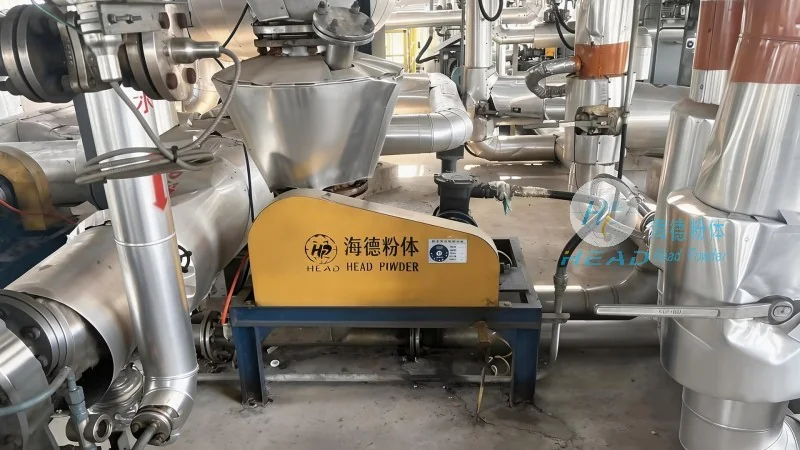
Understanding Cast Iron Fines and Conveyance Challenges
Cast iron fines are fine particles of cast iron that result from the machining, grinding, or other processing steps in metalworking. These fines can be abrasive and heavy, posing challenges for traditional conveying systems. Conventional methods such as belt conveyors or screw conveyors may struggle with the high density and abrasive nature of cast iron fines, leading to increased wear and maintenance costs. Additionally, the need for dust control and environmental safety makes it essential to adopt specialized equipment for handling these materials. Shandong HeadPowder Engineering Co., Ltd. addresses these challenges by offering tailored solutions that enhance both efficiency and safety in the conveyance process.
Common Methods of Cast Iron Fines Conveyance
There are several effective methods for conveying cast iron fines, each with its own advantages and applications. The choice of method depends on factors such as the volume of material, the distance to be conveyed, and the specific characteristics of the fines. Below are some of the most common and effective approaches used by Shandong HeadPowder Engineering Co., Ltd.
Pneumatic Conveying Systems
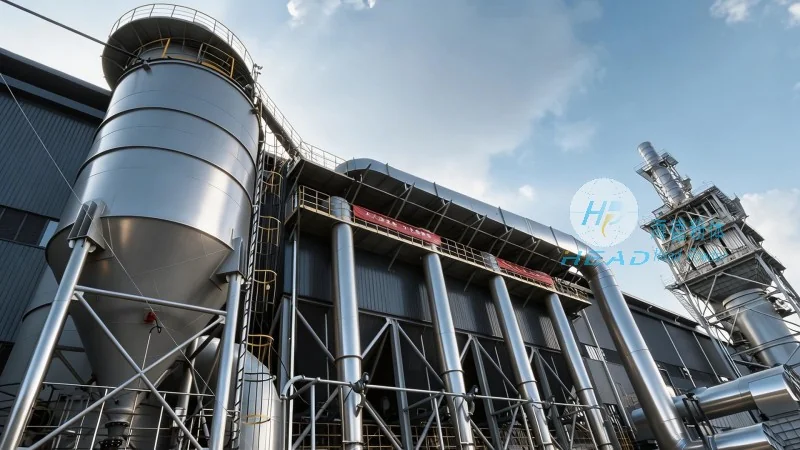
Pneumatic conveying, also known as air conveying, is a widely used method for transporting cast iron fines. This system utilizes air pressure to move the material through a pipeline. There are two main types of pneumatic conveying: pressure and vacuum. Pressure systems use compressed air to push the material forward, while vacuum systems use a vacuum to pull the material into the pipeline. Pneumatic conveying offers several benefits, including the ability to transport materials over long distances, the elimination of mechanical contact with the material (reducing wear), and the integration of dust collection and filtration systems. Shandong HeadPowder Engineering Co., Ltd. designs and manufactures pneumatic conveying systems that are specifically tailored to handle the abrasive nature of cast iron fines, ensuring high efficiency and minimal maintenance.
Screw Conveyors
Screw conveyors, also known as auger conveyors, are another common method for conveying cast iron fines. These systems consist of a rotating screw inside a tube or trough, which moves the material forward. Screw conveyors are particularly effective for handling bulk materials and can be used for both horizontal and inclined conveyance. They are often used in applications where the material needs to be elevated or moved over a short distance. The design of screw conveyors allows for a continuous and controlled flow of material, making them suitable for high-volume operations. Shandong HeadPowder Engineering Co., Ltd. offers screw conveyors with robust construction and specialized coatings to withstand the abrasive properties of cast iron fines, ensuring long service life and reliable performance.
Vibrating Conveyors
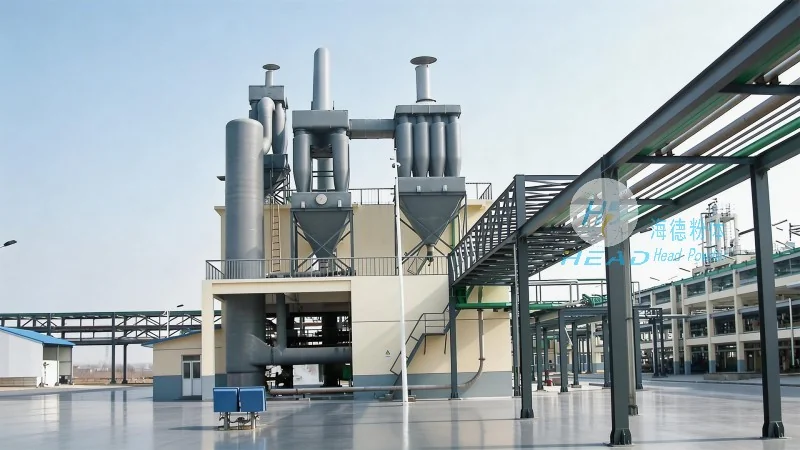
Vibrating conveyors use vibrations to move cast iron fines along a trough. The conveyor consists of a flexible or rigid trough that is vibrated at a specific frequency and amplitude. This vibration causes the material to move forward in a controlled manner. Vibrating conveyors are particularly effective for handling materials with varying particle sizes and for transporting materials over moderate distances. They are also suitable for applications where the material needs to be elevated or moved at an angle. Shandong HeadPowder Engineering Co., Ltd. provides vibrating conveyors with adjustable vibration parameters, allowing for optimization of the conveying process based on the specific characteristics of the cast iron fines. These systems are designed to minimize wear and ensure consistent material flow.
Bucket Elevators
Bucket elevators are vertical conveyors that use buckets attached to a chain or belt to lift and transport cast iron fines. These systems are ideal for moving materials vertically over significant heights, such as from a storage hopper to a processing unit. Bucket elevators are capable of handling high volumes of material and can be used in both horizontal and vertical configurations. They are particularly effective for materials that are heavy or abrasive, as the buckets provide a secure grip on the material. Shandong HeadPowder Engineering Co., Ltd. manufactures bucket elevators with durable materials and efficient bucket designs to ensure reliable and efficient conveyance of cast iron fines. These systems are designed to minimize material spillage and maintain a clean operation.
Hybrid Conveyance Systems

In some cases, a combination of different conveying methods may be used to achieve optimal results. Hybrid systems may integrate pneumatic conveying with mechanical conveyors to handle different stages of the material flow. For example, a pneumatic system may be used to transport cast iron fines from a collection point to a storage hopper, while a screw conveyor is used to move the material from the hopper to the processing unit. Shandong HeadPowder Engineering Co., Ltd. specializes in designing and implementing hybrid conveyance systems that leverage the strengths of each method to provide a comprehensive solution for the entire material handling process. These systems are tailored to the specific needs of the customer, ensuring maximum efficiency and minimal downtime.
Key Considerations for Choosing a Conveyance Method
When selecting a conveyance method for cast iron fines, several factors must be considered to ensure the most effective and efficient solution. The first consideration is the volume and characteristics of the material. High-volume applications may require larger systems, while low-volume applications may be better suited to smaller conveyors. The distance to be conveyed is another critical factor, as different methods are more effective over specific distances. For example, pneumatic systems are ideal for long-distance transport, while screw conveyors are better for short distances. The need for dust control and environmental compliance is also important, as some methods may require additional filtration or collection systems. Shandong HeadPowder Engineering Co., Ltd. provides expert consultation to help customers evaluate these factors and choose the most appropriate conveyance method for their specific needs.
Conclusion
Efficient conveyance of cast iron fines is essential for maintaining production efficiency and ensuring environmental compliance. Shandong HeadPowder Engineering Co., Ltd. offers a range of advanced solutions, including pneumatic conveying systems, screw conveyors, vibrating conveyors, and bucket elevators, tailored to the specific requirements of each application. By leveraging their expertise and specialized equipment, the company helps industries handle cast iron fines with minimal wear, maximum efficiency, and optimal safety. Based in Shandong, China, Shandong HeadPowder Engineering Co., Ltd. continues to be a leader in providing reliable and effective conveyance solutions for the metal casting and recycling industry.

 Shandong Headpowder Engineering Co., Ltd.
 156-6277-7102(Quản lý Trương)
  0531-83386006
  Thành phố Tế Nam, Tỉnh Sơn Đông, Trung Quốc
Điện thoại
WeChatTư vấn
Lên đầu