Chuyên sâu trong lĩnh vực vật liệu rời công nghiệp, cung cấp giải pháp môi trường thông minh tích hợp cho phối trộn tự động, cấp liệu tập trung, khử lưu huỳnh và khử nitơ khô!
Sugar is a fundamental commodity in the food and beverage industry, and efficient conveyance is crucial for maintaining quality and operational efficiency. The methods used to transport sugar vary based on factors such as the type of sugar, the scale of operations, and the specific requirements of the processing facility. Understanding these methods is essential for businesses to optimize their supply chain and ensure smooth production processes.
Introduction to Sugar Conveyance

Sugar conveyance refers to the process of moving sugar from storage areas to processing lines or packaging stations. Proper conveyance systems not only enhance productivity but also help prevent contamination and damage to the product. The choice of conveyance method depends on several key factors, including the physical properties of the sugar, the distance to be covered, and the volume of material being handled. In this article, we will explore the primary methods of sugar conveyance, highlighting their advantages and applications.
Common Methods of Sugar Conveyance
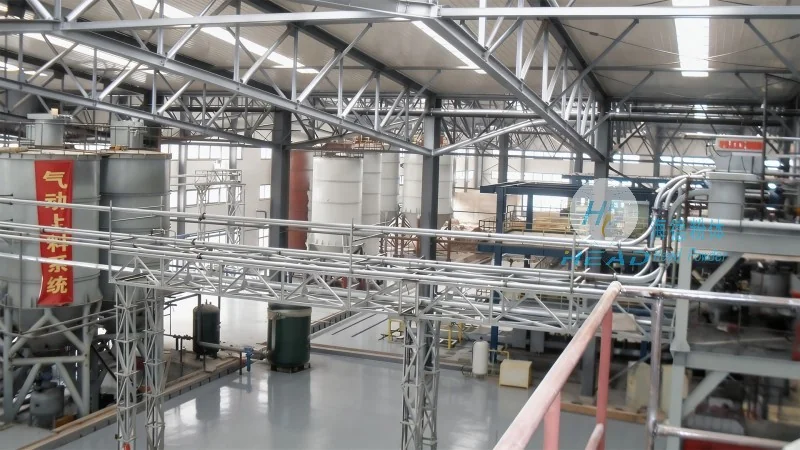
1. Belt Conveyors are among the most widely used systems for sugar transport. These systems consist of a continuous belt that moves over rollers or pulleys, transporting sugar in a controlled manner. Belt conveyors are ideal for handling large volumes of sugar over moderate to long distances. They are particularly effective for transporting granulated sugar, as the belt can be designed to minimize product degradation. The smooth operation of belt conveyors also reduces the risk of dust generation, which is a common concern in sugar processing. Shandong HeadPowder Engineering Co., Ltd. specializes in designing and manufacturing high-quality belt conveyor systems tailored to the needs of sugar processing facilities.
2. Screw Conveyors, also known as auger conveyors, are another popular option for sugar conveyance. These systems use a rotating screw to push sugar forward through a tube or trough. Screw conveyors are well-suited for vertical or inclined transport, making them useful for elevating sugar from lower storage levels to higher processing areas. They are particularly effective for handling fine or powdery sugars, as the screw design prevents material from settling or clogging. The compact nature of screw conveyors allows for installation in tight spaces, which is beneficial in facilities with limited floor space. HeadPowder Engineering provides screw conveyor solutions that ensure efficient and reliable sugar movement, minimizing downtime and maintenance.
3. Air Conveyance (Pneumatic Systems) is a method that uses air pressure to transport sugar in a closed system. This approach is particularly effective for handling fine or dusty sugar, as it prevents product loss and contamination. Pneumatic systems can be either positive or negative pressure, depending on the application. Positive pressure systems blow air through a pipe to move sugar, while negative pressure systems create a vacuum to draw the material. Air conveyance is ideal for short to medium distances and for transporting sugar that is sensitive to moisture or contamination. Shandong HeadPowder Engineering Co., Ltd. offers advanced pneumatic conveyance solutions that ensure consistent and hygienic sugar transport, meeting the stringent requirements of the food industry.
Key Considerations for Selecting a Conveyance Method
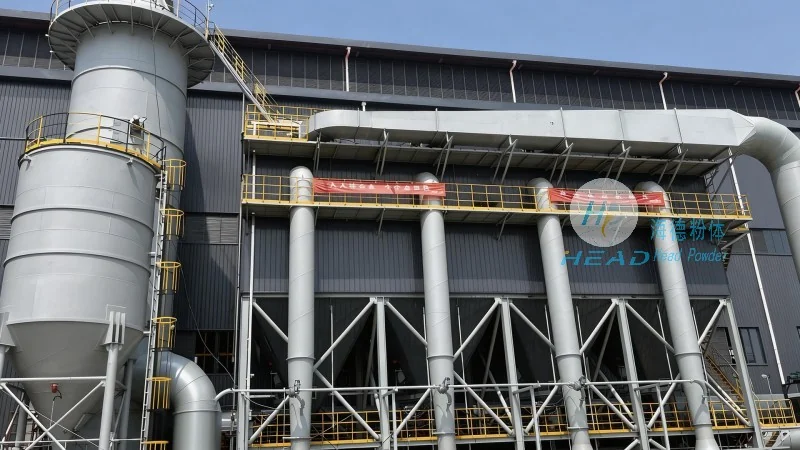
When choosing a sugar conveyance method, several factors must be considered to ensure optimal performance. First, the physical characteristics of the sugar, such as particle size and moisture content, play a critical role. For example, coarse granulated sugar may be better suited for belt conveyors, while fine powdered sugar may require a screw or pneumatic system. Second, the distance and elevation changes between the storage and processing areas must be evaluated. Vertical transport may necessitate the use of screw or bucket elevators, while horizontal transport may benefit from belt or screw conveyors. Third, the volume of sugar to be handled and the required throughput rate are important considerations. High-volume operations may require multiple conveyors working in parallel to meet production demands. Finally, the cost of installation, maintenance, and energy consumption should be assessed to ensure the chosen method is economically viable. Shandong HeadPowder Engineering Co., Ltd. provides comprehensive consultation services to help clients select the most appropriate conveyance method based on their specific operational needs.
Advantages and Challenges of Sugar Conveyance Systems
Each sugar conveyance method has its own set of advantages and challenges. Belt conveyors offer high efficiency and low maintenance costs but may require more space and can be susceptible to belt slip or damage. Screw conveyors are compact and versatile but may experience clogging with sticky or wet sugar. Pneumatic systems provide excellent hygiene and dust control but can be more expensive to install and operate. Additionally, all conveyance systems must be designed to meet food safety standards, with features such as easy cleaning, minimal product contact, and proper sealing to prevent contamination. Shandong HeadPowder Engineering Co., Ltd. addresses these challenges by offering customized solutions that incorporate the latest technology and compliance with industry regulations.
Conclusion
In conclusion, the choice of sugar conveyance method is a critical decision for sugar processing facilities. The right system can significantly improve operational efficiency, product quality, and safety. By considering factors such as sugar characteristics, distance, and volume, businesses can select the most suitable conveyance method. Shandong HeadPowder Engineering Co., Ltd. is a trusted partner in providing reliable and efficient sugar conveyance solutions, helping clients optimize their operations and meet industry standards. Whether you need a belt conveyor, screw conveyor, or pneumatic system, HeadPowder Engineering has the expertise and experience to deliver tailored solutions that meet your specific needs.

 Shandong Headpowder Engineering Co., Ltd.
 156-6277-7102(Quản lý Trương)
  0531-83386006
  Thành phố Tế Nam, Tỉnh Sơn Đông, Trung Quốc
Điện thoại
WeChatTư vấn
Lên đầu