Chuyên sâu trong lĩnh vực vật liệu rời công nghiệp, cung cấp giải pháp môi trường thông minh tích hợp cho phối trộn tự động, cấp liệu tập trung, khử lưu huỳnh và khử nitơ khô!
When it comes to the efficient and reliable transportation of sand and soil, selecting the right method is crucial for various construction and industrial applications. The choice of transportation method depends on factors such as the material properties, distance, volume, and operational environment. In this article, we will explore several common methods used for sand and soil transportation, providing insights into their applications and benefits. As a leading provider in the field, Shandong HeadPowder Engineering Co., Ltd. (headpowder) offers advanced solutions tailored to meet the diverse needs of construction and industrial projects.
Overview of Sand and Soil Transportation Methods

Sand and soil are essential materials in many construction projects, including road building, foundation work, and landscaping. The effective movement of these materials from one location to another is critical to project timelines and overall success. Different transportation methods are designed to handle varying conditions and requirements, ensuring that the material is delivered safely and efficiently.
Pipeline Transportation
Pipeline transportation is a widely used method for moving sand and soil, especially in large-scale projects where long distances are involved. This method involves transporting the material through a network of pipes. The sand or soil is typically mixed with water to create a slurry, which is then pumped through the pipeline using centrifugal pumps. This approach is particularly effective for transporting fine-grained materials like sand, as it minimizes dust and reduces the risk of material degradation during transit. The pipeline system can be customized to suit different project needs, with varying pipe diameters and pump capacities to handle different flow rates.

Belt Conveyor Systems
Belt conveyor systems are another popular choice for sand and soil transportation, especially in bulk material handling applications. These systems consist of a continuous belt that moves the material from the source to the destination. The belt is supported by rollers and driven by a motor, allowing for smooth and consistent movement of the material. Belt conveyors are highly efficient for transporting large volumes of sand and soil over moderate distances. They are commonly used in quarries, construction sites, and mining operations where the material needs to be moved from one part of the site to another. The design of the belt conveyor can be adjusted to handle different material types and sizes, ensuring optimal performance and minimal wear.
Screw Conveyors
Screw conveyors, also known as auger conveyors, are an excellent option for transporting sand and soil in confined spaces or for short to medium distances. This method uses a rotating screw (auger) to push the material forward through a tube or trough. The screw's rotation creates a positive displacement, moving the material from the inlet to the outlet. Screw conveyors are particularly effective for handling dry or semi-dry materials, as they can maintain the material's integrity without the need for additional water. They are commonly used in industrial settings where the material needs to be transported vertically or at an incline, making them suitable for applications such as material feeding and processing.
Truck and Heavy Machinery Transport
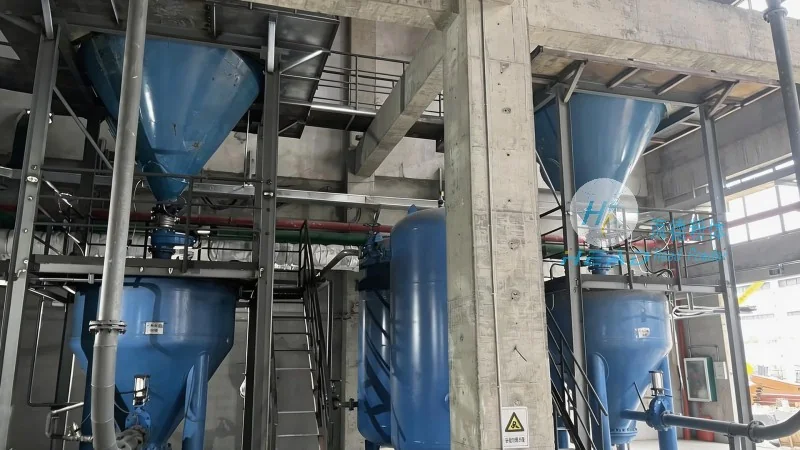
For shorter distances or when the material needs to be transported to a specific location, truck and heavy machinery transport is often employed. This method involves using dump trucks or other heavy vehicles to move the sand and soil from the source to the destination. The material is typically loaded into the truck using front-end loaders or excavators, and then transported to the site. This approach is flexible and can handle a wide range of material volumes and distances. However, it may be less efficient for long distances due to the need for frequent loading and unloading operations. Truck transport is commonly used in construction projects where the material needs to be delivered to specific work areas, such as foundations or road beds.
Hydraulic Transport
Hydraulic transport, also known as slurry transport, is a method that involves moving sand and soil as a slurry through a pipeline using hydraulic pressure. This method is particularly effective for transporting fine-grained materials that are difficult to move using other methods. The slurry is created by mixing the sand or soil with water and other additives to improve flow characteristics. The hydraulic system uses high-pressure pumps to push the slurry through the pipeline, ensuring consistent and reliable movement. This approach is commonly used in mining and construction projects where the material needs to be transported over long distances or through challenging terrain. Hydraulic transport is known for its efficiency and ability to handle large volumes of material with minimal maintenance.
Choosing the Right Transportation Method
When selecting a transportation method for sand and soil, several factors need to be considered. The first is the distance between the source and destination, as this will determine the most efficient method. Longer distances may require pipeline or truck transport, while shorter distances can be handled by belt or screw conveyors. The volume of material to be transported is another critical factor, as larger volumes may require more robust systems like belt conveyors or hydraulic transport. The material properties, such as grain size and moisture content, also play a role in the choice of method. For example, fine-grained materials like sand may be better suited for pipeline or hydraulic transport, while coarser materials may be handled by belt or truck transport. Finally, the operational environment and site conditions should be taken into account, as some methods may be more suitable for outdoor or confined spaces.

 Shandong Headpowder Engineering Co., Ltd.
 156-6277-7102(Quản lý Trương)
  0531-83386006
  Thành phố Tế Nam, Tỉnh Sơn Đông, Trung Quốc
Điện thoại
WeChatTư vấn
Lên đầu