Chuyên sâu trong lĩnh vực vật liệu rời công nghiệp, cung cấp giải pháp môi trường thông minh tích hợp cho phối trộn tự động, cấp liệu tập trung, khử lưu huỳnh và khử nitơ khô!
When it comes to transporting sodium hypochlorite, selecting the right method is crucial for ensuring efficiency, safety, and cost-effectiveness. As a leading provider in the industry, Shandong HeadPowder Engineering Co., Ltd., based in China, offers advanced solutions that address the unique challenges of handling this chemical. This article explores common sodium hypochlorite delivery methods and highlights the advantages of HeadPowder's pneumatic transport system.
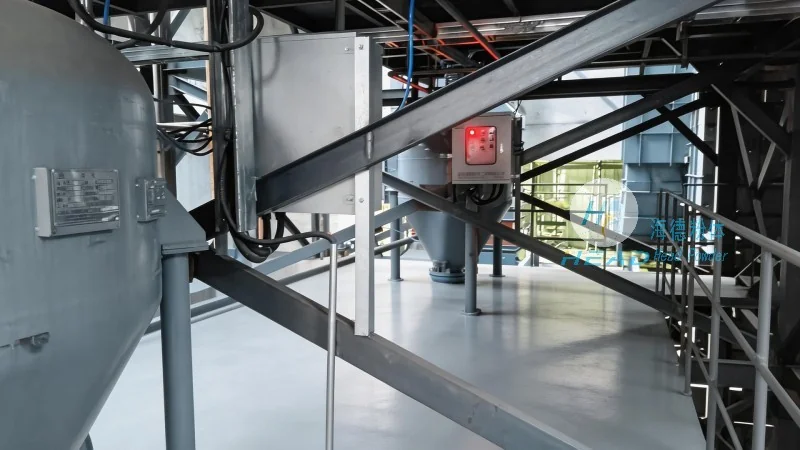
Introduction to Sodium Hypochlorite Transportation Methods
Sodium hypochlorite is widely used in water treatment, disinfection, and industrial processes due to its strong oxidizing properties. However, its corrosive nature and reactive behavior require specialized handling during transportation. Traditional methods such as tank trucks, hoses, and manual pumping have been used for decades, but they often face limitations in terms of speed, safety, and scalability. As industries evolve, there is a growing demand for more efficient and reliable transport solutions that can meet the demands of modern operations.
Overview of HeadPowder and Its Commitment to Efficient Solutions
HeadPowder, a division of Shandong HeadPowder Engineering Co., Ltd., specializes in engineering and manufacturing advanced transport systems for hazardous and corrosive chemicals. With a strong focus on innovation and customer satisfaction, HeadPowder has developed a range of solutions tailored to the needs of various industries. The company's headquarters is located in Shandong, China, where it leverages local expertise and resources to deliver high-quality products and services. By prioritizing safety, durability, and performance, HeadPowder aims to set new standards in the sodium hypochlorite transportation sector.
Traditional Delivery Methods and Their Limitations
Traditional transportation methods for sodium hypochlorite include bulk tank trucks, which are commonly used for long-distance transport but may suffer from issues like spills, leaks, and exposure to external contaminants. Hoses and manual pumping systems are often employed for shorter distances or on-site applications, but they can be labor-intensive and prone to human error. Additionally, these methods may not provide adequate containment for the chemical, increasing the risk of environmental impact and operational disruptions. The limitations of traditional approaches have driven the development of more advanced technologies, such as pneumatic transport, which offer superior control and safety.
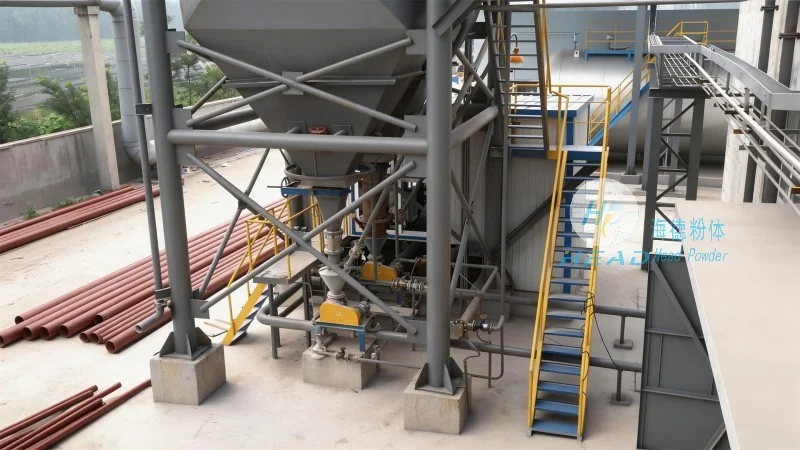
Pneumatic Transport Technology: How It Works and Its Core Advantages
Pneumatic transport, also known as air-assisted transport, utilizes compressed air to move sodium hypochlorite through a closed system of pipes and valves. The process involves injecting the chemical into a carrier gas, typically air or nitrogen, which then propels the mixture through the pipeline. This method offers several key advantages over traditional approaches. First, it provides a fully enclosed system, minimizing the risk of leaks and spills. Second, it allows for precise control over flow rates and pressure, ensuring consistent delivery to the end-user. Third, pneumatic transport can handle both liquid and slurry forms of sodium hypochlorite, making it versatile for various applications. The technology also reduces the need for manual handling, enhancing workplace safety and reducing labor costs.
Key Benefits of HeadPowder's Pneumatic Sodium Hypochlorite Transport System

HeadPowder's pneumatic transport system for sodium hypochlorite is designed with a focus on reliability, efficiency, and safety. The system incorporates advanced materials and engineering to withstand the corrosive nature of the chemical, ensuring long-term durability. Key features include high-pressure pumps, robust piping, and automated control systems that optimize performance and minimize downtime. One of the most significant advantages is the ability to transport sodium hypochlorite over longer distances without the need for intermediate storage or refilling. This reduces transportation costs and improves supply chain reliability. Additionally, the system's compact design makes it suitable for both new installations and retrofitting existing facilities, providing flexibility for different operational needs.
Application Scenarios and Industry Impact
The benefits of HeadPowder's pneumatic transport system are evident in various industrial applications. In water treatment plants, the system ensures a steady and safe supply of sodium hypochlorite for disinfection, improving water quality and compliance with regulatory standards. In industrial manufacturing, it supports continuous production processes by delivering the chemical directly to reactors and processing units. The system's adaptability also makes it suitable for use in food processing, where hygiene and safety are paramount. By enhancing operational efficiency and reducing downtime, HeadPowder's solution helps industries achieve higher productivity and lower operational costs. The impact of this technology extends beyond individual companies, contributing to the overall sustainability and safety of the chemical transport industry.
Conclusion
As the demand for efficient and safe sodium hypochlorite transportation continues to grow, HeadPowder's pneumatic transport system stands out as a superior solution. By combining advanced technology with a commitment to quality and safety, the company provides a reliable option for industries seeking to optimize their chemical handling processes. With its headquarters in Shandong, China, HeadPowder leverages local expertise and resources to deliver innovative solutions that meet the evolving needs of the market. For businesses looking to enhance their sodium hypochlorite delivery methods, HeadPowder's pneumatic transport system represents a forward-thinking choice that balances performance, safety, and cost-effectiveness.

 Shandong Headpowder Engineering Co., Ltd.
 156-6277-7102(Quản lý Trương)
  0531-83386006
  Thành phố Tế Nam, Tỉnh Sơn Đông, Trung Quốc
Điện thoại
WeChatTư vấn
Lên đầu