Chuyên sâu trong lĩnh vực vật liệu rời công nghiệp, cung cấp giải pháp môi trường thông minh tích hợp cho phối trộn tự động, cấp liệu tập trung, khử lưu huỳnh và khử nitơ khô!
When it comes to handling rice husk, an efficient conveying system is crucial for industrial applications. Rice husk, a byproduct of rice processing, is widely used in power generation, biofuel production, and other industrial processes. The choice of conveying method directly impacts operational efficiency, cost-effectiveness, and environmental compliance. This article explores common rice husk conveying methods and highlights the superior advantages of HeadPowder's pneumatic conveying solutions, a leading service provider based in Shandong, China.

Traditional Conveying Methods for Rice Husk
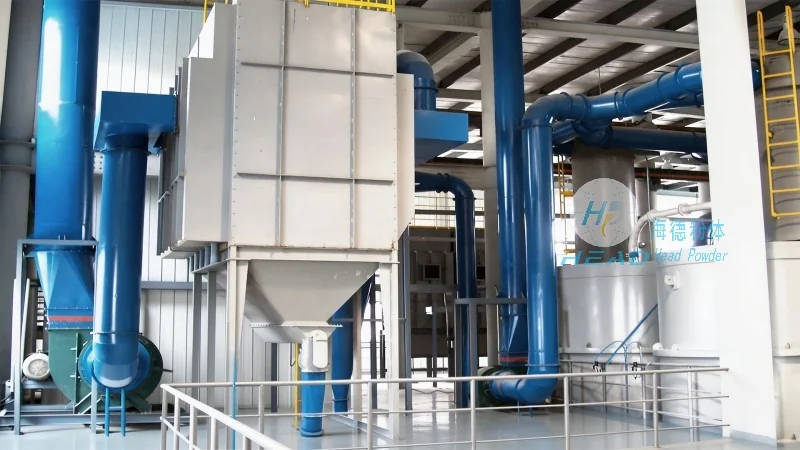
Historically, several methods have been employed to transport rice husk from one location to another. These include gravity-based systems, mechanical conveyors like belt conveyors and screw conveyors, and manual handling. Gravity conveyors rely on the natural slope of the material to move it downward, which is suitable for short distances and when the material has a consistent flow. However, this method is limited by the need for a suitable incline and may not be efficient for vertical or long horizontal distances. Mechanical conveyors, such as belt conveyors, are widely used in various industries for bulk material handling. They are relatively simple to install and maintain, but they have drawbacks like high energy consumption, potential for material degradation, and the need for regular maintenance to prevent wear and tear. Screw conveyors are another mechanical option, often used for horizontal or slightly inclined transport. They are compact and can handle a variety of materials, but they are prone to blockages and can cause frictional heat, which may affect the quality of the rice husk.
Introducing Pneumatic Conveying: The Modern Solution
Pneumatic conveying, or air-powered transport, has emerged as a highly effective method for rice husk handling. Unlike traditional systems, it uses compressed air to transport material through a pipeline. This technology offers several advantages over mechanical and gravity-based methods. Pneumatic systems are capable of handling both dry and slightly moist rice husk, ensuring minimal material degradation. They are also highly flexible, allowing for vertical, horizontal, or even complex, multi-directional transport. The key components of a pneumatic conveying system include a hopper for material storage, a blower or compressor to generate airflow, a pipeline network, and a discharge point. The system operates by drawing the rice husk into the pipeline using the airflow, which then transports it to the desired location.

HeadPowder's Pneumatic Conveying System: Key Advantages
HeadPowder Engineering Co., Ltd., based in Shandong, China, specializes in providing advanced pneumatic conveying solutions tailored to the unique needs of rice husk processing. The company's system incorporates cutting-edge technology and robust design, ensuring optimal performance and reliability. One of the primary advantages of HeadPowder's system is its high efficiency in material transport. The pneumatic conveying process minimizes energy consumption compared to mechanical conveyors, as it relies on compressed air rather than mechanical components for movement. This results in lower operational costs and reduced environmental impact. Additionally, the system offers excellent material handling capabilities, ensuring that rice husk is transported without breakage or contamination. The use of stainless steel or other corrosion-resistant materials in the pipeline and components further enhances durability and longevity, reducing maintenance requirements over time.
Customization and Scalability: Meeting Diverse Industrial Needs
HeadPowder understands that each rice husk processing facility has unique requirements. The company offers customized pneumatic conveying systems that can be scaled to accommodate varying production volumes and operational conditions. Whether a facility needs a small-scale system for laboratory testing or a large-scale system for industrial production, HeadPowder can design and implement a solution that meets specific needs. The system can be integrated with existing infrastructure, minimizing disruption to current operations. Furthermore, the company provides comprehensive support, including installation, commissioning, and ongoing maintenance services, ensuring that clients receive a complete solution from a single source.

Environmental and Safety Considerations
Efficient rice husk conveying also involves considerations for environmental and safety compliance. HeadPowder's pneumatic conveying system is designed with these factors in mind. The system uses enclosed pipelines, which prevent dust emissions and improve air quality in the workplace. This is particularly important in environments where dust can be a health hazard or cause environmental pollution. The system also incorporates safety features such as pressure relief valves and emergency shut-off mechanisms to prevent accidents and ensure safe operation. By adhering to strict safety and environmental standards, HeadPowder's solutions contribute to a safer and more sustainable rice husk processing operation.

 Shandong Headpowder Engineering Co., Ltd.
 156-6277-7102(Quản lý Trương)
  0531-83386006
  Thành phố Tế Nam, Tỉnh Sơn Đông, Trung Quốc
Điện thoại
WeChatTư vấn
Lên đầu