Chuyên sâu trong lĩnh vực vật liệu rời công nghiệp, cung cấp giải pháp môi trường thông minh tích hợp cho phối trộn tự động, cấp liệu tập trung, khử lưu huỳnh và khử nitơ khô!
Methylcellulose, a versatile polymer widely used in various industries such as pharmaceuticals, food, and cosmetics, often requires efficient and reliable conveying methods to ensure smooth production processes. The choice of conveying system can significantly impact operational efficiency, product quality, and overall cost-effectiveness. In this context, understanding the different conveying methods available for methylcellulose is crucial for businesses seeking to optimize their material handling processes.
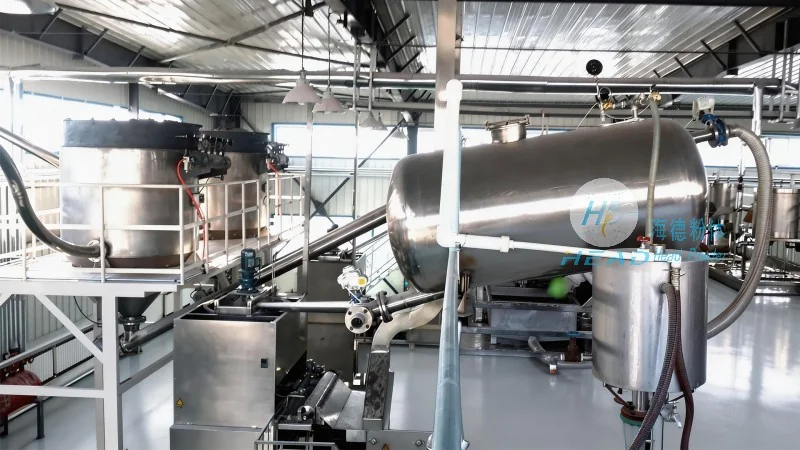
About HeadPowder Engineering Co., Ltd.
HeadPowder, the professional manufacturer behind advanced methylcellulose conveying solutions, is headquartered in Shandong, China. With a strong commitment to innovation and quality, HeadPowder has established itself as a trusted provider of pneumatic conveying systems tailored to the unique needs of the methylcellulose industry. The company's expertise lies in developing customized solutions that address the challenges associated with handling fine powders like methylcellulose, ensuring minimal product degradation and maximum operational efficiency.

Pneumatic Conveying: The Preferred Method for Methylcellulose Handling
Pneumatic conveying is widely recognized as one of the most effective methods for transporting methylcellulose due to its ability to handle fine powders without the need for mechanical components that might cause product contamination or degradation. This method utilizes air pressure to move the material through a pipeline system, offering several advantages over traditional conveying methods. For instance, pneumatic conveying can handle high volumes of material with minimal maintenance, making it ideal for continuous production lines. Additionally, it provides better control over the material's flow, reducing the risk of clogging and ensuring consistent product quality.
Types of Pneumatic Conveying Systems for Methylcellulose
HeadPowder offers two primary types of pneumatic conveying systems: positive pressure and negative pressure systems. The choice between these systems depends on factors such as the distance of material transport, the volume of material to be handled, and the specific requirements of the production process. Positive pressure systems use compressed air to push the material through the pipeline, making them suitable for longer distances and higher material volumes. On the other hand, negative pressure systems use vacuum to draw the material into the pipeline, which is often preferred for shorter distances and applications where product containment is critical.

Key Features of HeadPowder's Pneumatic Conveying Solutions
HeadPowder's pneumatic conveying systems are designed with several key features that make them ideal for methylcellulose handling. Firstly, the systems are equipped with high-quality materials that are resistant to chemical corrosion and wear, ensuring long-term durability. Secondly, the conveying lines are designed with smooth surfaces and minimal dead zones to prevent product accumulation and reduce the risk of clogging. Thirdly, the systems incorporate advanced control mechanisms that allow for precise regulation of air pressure and material flow, enabling operators to adjust the system according to changing production demands. Finally, the systems are designed with easy-to-clean components, facilitating regular maintenance and ensuring compliance with hygiene standards, which is particularly important in industries like pharmaceuticals and food processing.
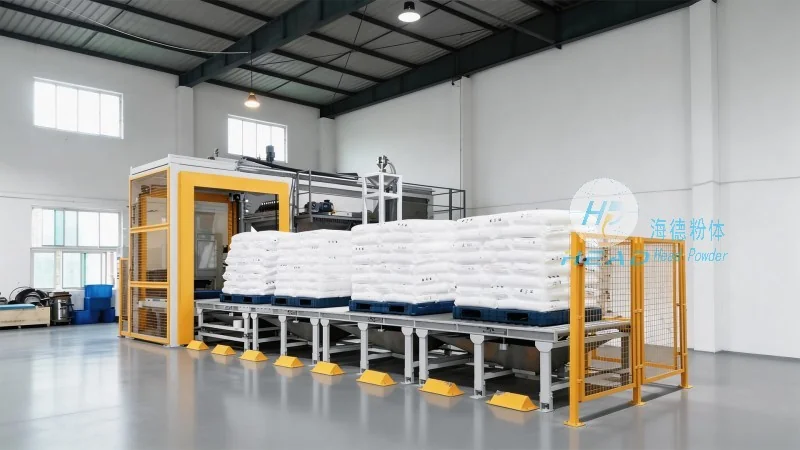
Applications in the Methylcellulose Industry
The pneumatic conveying solutions provided by HeadPowder are widely used in various applications within the methylcellulose industry. For example, in pharmaceutical manufacturing, methylcellulose is often used as a thickening agent or binder, and the conveying system must ensure that the material is handled without any contamination from external sources. In food processing, the system must maintain the product's quality and safety, which requires strict adherence to hygiene standards. Similarly, in cosmetic manufacturing, the system must preserve the product's color and texture, which is achieved through careful control of the conveying process. By addressing these specific requirements, HeadPowder's solutions help businesses maintain high product quality and meet regulatory standards.
Conclusion: Choosing the Right Conveying System for Methylcellulose
When selecting a conveying system for methylcellulose, it is essential to consider factors such as material properties, production volume, and operational requirements. HeadPowder's pneumatic conveying solutions offer a reliable and efficient option that addresses these needs while ensuring product quality and operational efficiency. By leveraging the company's expertise and customized solutions, businesses can optimize their material handling processes and achieve better overall performance. Whether you are in the pharmaceutical, food, or cosmetic industry, HeadPowder provides the tools and expertise to help you handle methylcellulose with confidence and precision.

 Shandong Headpowder Engineering Co., Ltd.
 156-6277-7102(Quản lý Trương)
  0531-83386006
  Thành phố Tế Nam, Tỉnh Sơn Đông, Trung Quốc
Điện thoại
WeChatTư vấn
Lên đầu