Chuyên sâu trong lĩnh vực vật liệu rời công nghiệp, cung cấp giải pháp môi trường thông minh tích hợp cho phối trộn tự động, cấp liệu tập trung, khử lưu huỳnh và khử nitơ khô!
When it comes to handling calcium oxide powder, selecting the right transportation method is crucial for ensuring efficiency, safety, and product integrity. Calcium oxide, commonly known as quicklime, is a highly reactive and fine powder that requires specialized handling to prevent dust generation, caking, and material degradation. Traditional methods like manual shoveling or bucket elevators may not be sufficient for large-scale operations, as they often lead to dust exposure, operational inefficiencies, and increased labor costs. This article explores various calcium oxide powder transportation methods and highlights the advanced pneumatic conveying solutions offered by Shandong HeadPowder Engineering Co., Ltd., commonly known as headpowder, based in China.
Understanding Calcium Oxide Powder and Its Transportation Challenges
Calcium oxide (CaO) is an alkaline, caustic substance that is widely used in industries such as construction, steel production, and chemical manufacturing. Its fine particle size and hygroscopic nature make it prone to clumping and dust formation during handling. Conventional bulk material handling systems may struggle with these characteristics, leading to issues like equipment blockages, increased maintenance, and environmental compliance challenges. Therefore, modern processing facilities increasingly rely on specialized systems designed to handle reactive powders like calcium oxide efficiently and safely.
Common Calcium Oxide Powder Transportation Methods
Several traditional and semi-automated methods are used for transporting calcium oxide powder, each with its own advantages and limitations. These include:
Gravity Conveyors: These systems use the natural force of gravity to move powder from one point to another. While simple and low-cost, gravity conveyors are limited by the layout of the facility and are not suitable for vertical or long horizontal distances. They also require regular maintenance to prevent clogging due to the fine nature of calcium oxide.
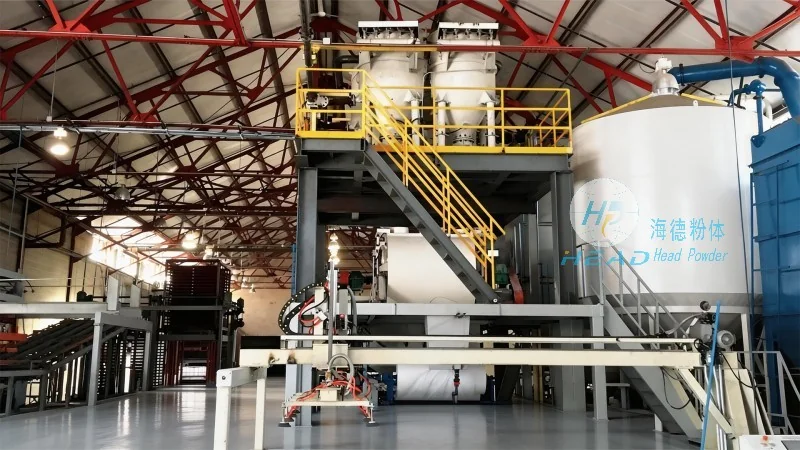
Belt Conveyors: Belt conveyors are widely used in bulk material handling but may not be ideal for calcium oxide due to the risk of dust generation and material degradation. The abrasive nature of the powder can wear down conveyor belts and bearings, leading to higher operational costs over time.
Bucket Elevators: These vertical conveyors use buckets to lift and transport powder. However, bucket elevators can be prone to material buildup and clogging, especially with fine powders like calcium oxide. They also require significant power and may not be suitable for high-volume, continuous operations.
Pneumatic Conveying (Traditional): Early pneumatic systems used for calcium oxide often relied on positive pressure or vacuum methods. While effective for some applications, these systems may suffer from high energy consumption, material degradation due to friction, and limited system length. The fine particles can also cause wear on system components, reducing the lifespan of the equipment.
HeadPowder's Advanced Pneumatic Conveying System for Calcium Oxide
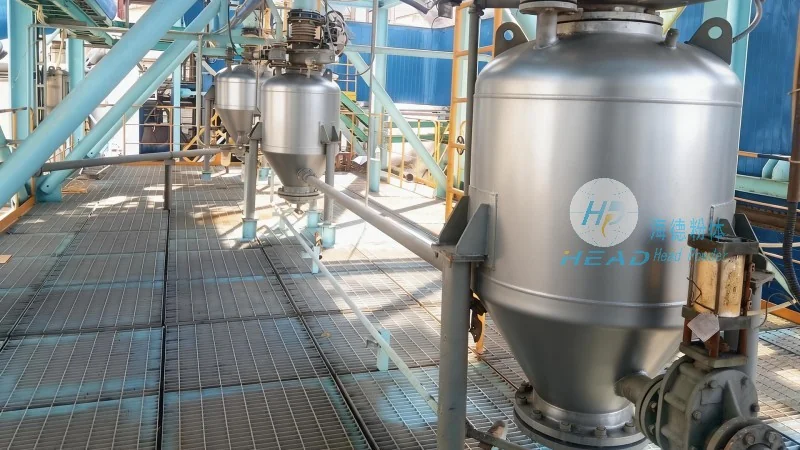
Shandong HeadPowder Engineering Co., Ltd. has developed a cutting-edge pneumatic conveying system specifically designed to address the unique challenges of calcium oxide powder transportation. The system combines advanced engineering with robust materials to ensure reliable, efficient, and safe operation. Key features of this system include:
Positive Pressure Conveying: The system uses positive pressure to move calcium oxide powder through a network of pipes. This method is highly effective for long-distance and multi-point delivery, as it minimizes the risk of material degradation and clogging.
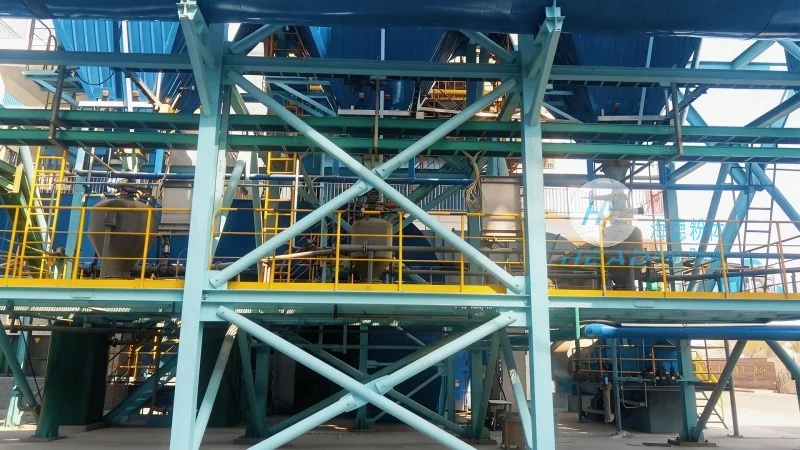
Customized Pipe Design: The conveying pipes are manufactured from high-quality materials, such as stainless steel or specialized polymers, to resist corrosion and abrasion caused by calcium oxide particles. The smooth interior surface reduces friction and prevents material buildup.
Advanced Control Systems: The system incorporates intelligent control technology to monitor pressure, flow rate, and system performance in real-time. This allows for automatic adjustments to maintain optimal operation and prevents overloading or under-conveying.
Integrated Dust Collection: To ensure environmental compliance and worker safety, the system includes integrated dust collection and filtration units. These components capture and neutralize any airborne dust, ensuring a clean and safe working environment.
Benefits of Using HeadPowder's Pneumatic Conveying System
Implementing HeadPowder's calcium oxide powder pneumatic conveying system offers numerous benefits for industrial facilities. These include:

 Shandong Headpowder Engineering Co., Ltd.
 156-6277-7102(Quản lý Trương)
  0531-83386006
  Thành phố Tế Nam, Tỉnh Sơn Đông, Trung Quốc
Điện thoại
WeChatTư vấn
Lên đầu