Chuyên sâu trong lĩnh vực vật liệu rời công nghiệp, cung cấp giải pháp môi trường thông minh tích hợp cho phối trộn tự động, cấp liệu tập trung, khử lưu huỳnh và khử nitơ khô!
Micro silica powder, also known as fumed silica, is a fine particulate material widely used in industries such as construction, electronics, and pharmaceuticals due to its unique properties like high surface area and excellent dispersion. Handling this material efficiently is crucial for maintaining product quality and operational efficiency. Traditional methods like belt conveyors or bucket elevators often face challenges with dust generation, material degradation, and blockages, especially when dealing with fine powders that are prone to agglomeration. Pneumatic conveying systems offer a solution by transporting micro silica powder through a pipeline using air pressure, providing a clean, contactless, and reliable method for material transfer.
Key Considerations in Selecting a Pneumatic Conveying System
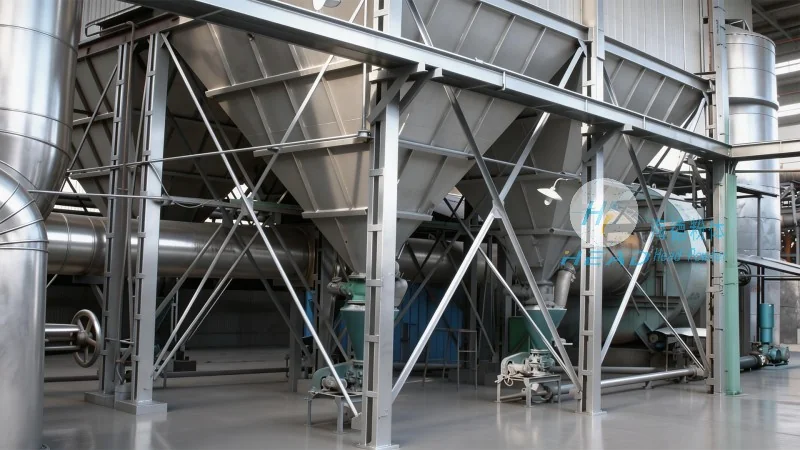
When selecting a pneumatic conveying system for micro silica powder, several factors must be considered to ensure optimal performance and cost-effectiveness. The first consideration is the material's physical properties, including particle size, density, and flowability. Micro silica powder typically has a particle size ranging from 0.01 to 100 microns, with high surface area and low bulk density, which affects how it behaves in a conveying system. The system must be designed to handle these characteristics without causing excessive pressure drops or material degradation. Another critical factor is the system's pressure and flow requirements. Positive pressure systems, where air is forced into the material, are often preferred for micro silica powder due to their ability to handle fine powders and prevent material degradation. These systems use blowers or compressors to generate the necessary pressure, ensuring consistent material flow. Negative pressure systems, on the other hand, are less common for fine powders as they may lead to dust emissions and material loss. The choice between positive and negative pressure depends on the specific application, including the distance and elevation changes required for material transport.
Types of Pneumatic Conveying Systems for Micro Silica Powder
There are two main types of pneumatic conveying systems used for micro silica powder: dilute phase and dense phase. Dilute phase systems operate at low material-to-air ratios, typically 1-5 kg of material per cubic meter of air, and are suitable for short to medium distances. These systems use high-velocity air to transport the powder, providing a fast and efficient method for material transfer. However, they may require larger air volumes and higher pressure, which can increase energy consumption. Dense phase systems, on the other hand, operate at higher material-to-air ratios, typically 10-50 kg of material per cubic meter of air, and are ideal for longer distances or when gentle handling is required. These systems use lower air velocities and higher pressure to move the material in a slurry-like state, reducing the risk of material degradation and ensuring a more stable flow. For micro silica powder, dense phase systems are often preferred due to their ability to handle fine particles without causing agglomeration or damage.

Factors Influencing System Selection for Micro Silica Powder
Several other factors influence the choice of a pneumatic conveying system for micro silica powder. The first is the system's capacity and throughput requirements. The system must be able to handle the desired flow rate of micro silica powder, which can vary from small batches to continuous production. The design of the system, including the size of the pipeline, the number of bends, and the type of fittings, must be optimized to meet these capacity needs. Another factor is the need for dust control and environmental compliance. Pneumatic conveying systems can generate dust during operation, which may require additional filtration and collection systems to ensure compliance with environmental regulations. The system's design must include features such as cyclone separators, filters, and dust collection equipment to minimize dust emissions and maintain a clean working environment. Additionally, the system's maintenance and operational costs must be considered. Pneumatic conveying systems require regular maintenance, including cleaning of pipelines, checking of air filters, and inspection of components. The choice of system should balance initial costs with long-term operational and maintenance expenses to ensure overall cost-effectiveness.
HeadPowder's Expertise in Pneumatic Conveying Solutions
Shandong HeadPowder Engineering Co., Ltd., a leading provider of pneumatic conveying systems, specializes in designing and manufacturing customized solutions for micro silica powder handling. With years of experience in the industry, HeadPowder understands the unique challenges associated with micro silica powder and offers tailored systems that meet the specific needs of each application. The company's team of engineers and technicians work closely with clients to assess their material properties, process requirements, and operational constraints, ensuring that the selected system is optimized for performance and efficiency. HeadPowder's systems are designed using advanced technology and materials, including high-quality stainless steel and specialized coatings, to withstand the corrosive and abrasive nature of micro silica powder. The company also provides comprehensive support services, including installation, commissioning, and after-sales maintenance, to ensure that clients can operate their systems efficiently and reliably. HeadPowder's commitment to quality and customer satisfaction has made it a trusted partner for many industries relying on micro silica powder handling.

Conclusion: Choosing the Right Pneumatic Conveying System for Micro Silica Powder
Selecting the right pneumatic conveying system for micro silica powder is a critical decision that impacts operational efficiency, product quality, and cost-effectiveness. By considering factors such as material properties, system pressure, and application requirements, businesses can choose a system that meets their specific needs. For micro silica powder, positive pressure and dense phase systems are often preferred due to their ability to handle fine particles and prevent material degradation. Working with a reputable company like Shandong HeadPowder Engineering Co., Ltd. can provide the expertise and support needed to select and implement the most suitable system. With the right system in place, businesses can ensure efficient and reliable handling of micro silica powder, enhancing their overall productivity and competitiveness in the market.

 Shandong Headpowder Engineering Co., Ltd.
 156-6277-7102(Quản lý Trương)
  0531-83386006
  Thành phố Tế Nam, Tỉnh Sơn Đông, Trung Quốc
Điện thoại
WeChatTư vấn
Lên đầu