Chuyên sâu trong lĩnh vực vật liệu rời công nghiệp, cung cấp giải pháp môi trường thông minh tích hợp cho phối trộn tự động, cấp liệu tập trung, khử lưu huỳnh và khử nitơ khô!
When it comes to managing dry sludge in industrial processes, selecting the appropriate pneumatic conveying system is crucial for efficiency, cost-effectiveness, and operational safety. The right system not only ensures smooth material transport but also minimizes downtime and maintenance costs. This guide will help you navigate the key considerations and factors to evaluate when choosing a pneumatic conveying system tailored to your dry sludge handling needs.
Understanding the Importance of Pneumatic Conveying for Dry Sludge

Dry sludge, often generated in wastewater treatment plants and industrial facilities, presents unique challenges in transportation due to its granular or powdery nature. Traditional methods like trucks or conveyor belts may be inefficient or impractical for certain applications. Pneumatic conveying systems offer a flexible and effective solution by using air pressure to move dry sludge through pipelines, eliminating the need for direct contact with the material and reducing the risk of contamination or environmental impact.
Key Factors to Consider When Selecting a Pneumatic Conveying System
Choosing the right pneumatic conveying system for dry sludge requires a thorough assessment of several critical factors. These include the characteristics of the dry sludge (such as particle size, moisture content, and density), the distance and layout of the transport route, the required flow rate, and the overall budget. Each of these elements plays a significant role in determining the most suitable system type—whether it's a pressure or vacuum system, and whether it involves dilute or dense phase conveying.
Types of Pneumatic Conveying Systems for Dry Sludge
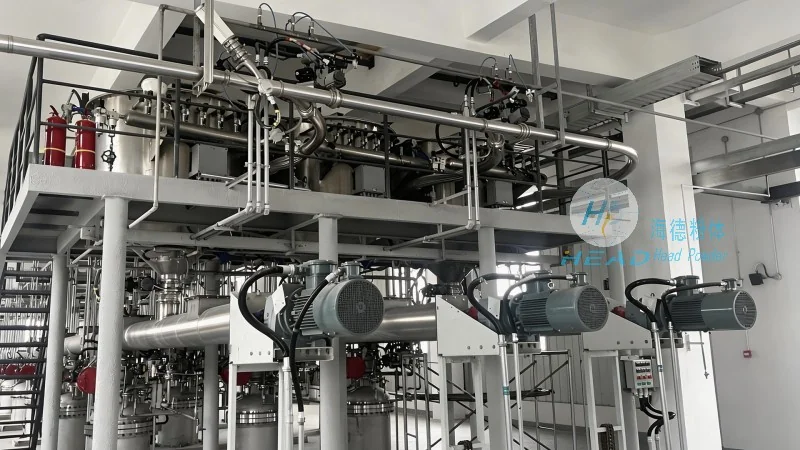
There are primarily two types of pneumatic conveying systems used for dry sludge: pressure and vacuum systems. Pressure systems use compressed air to push the material through the pipeline, while vacuum systems use a vacuum to draw the material in. Dilute phase systems are suitable for long-distance transport with low material concentration, whereas dense phase systems are ideal for short distances or when high material density is required. The choice between these systems depends on the specific application and operational constraints.
Material Characteristics and System Design
The physical properties of the dry sludge are paramount in system design. For instance, if the sludge has a high moisture content or is prone to clumping, a system with better air-mixing capabilities or additional drying features may be necessary. The particle size distribution also affects the system's performance; finer particles may require more energy to transport and might need specialized equipment like cyclones or filters to prevent blockages. Understanding these characteristics allows for a more tailored system that ensures reliable and efficient operation.
Transport Distance and Layout Considerations
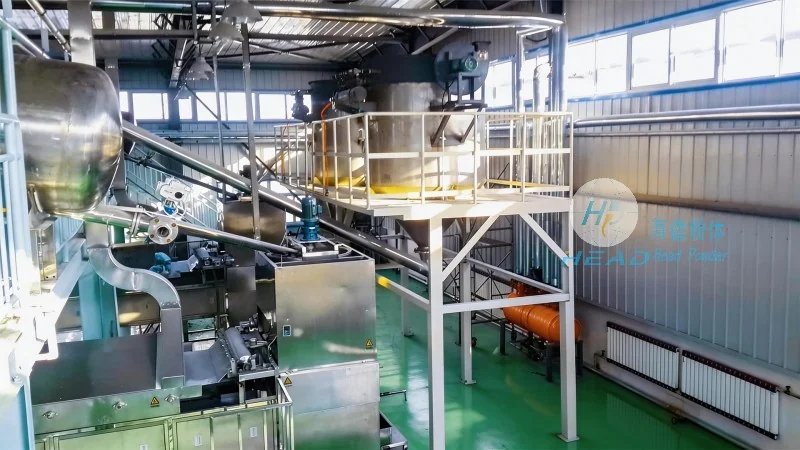
The distance and layout of the transport route are critical factors that influence system selection. For short distances, a simple pressure system with a few pipeline sections may suffice. However, for longer distances, especially in complex layouts with multiple turns or elevation changes, a more sophisticated system with variable speed drives or additional boosters might be required. The system's ability to handle changes in elevation and maintain consistent flow rates over extended distances is essential for maintaining operational efficiency.
Flow Rate and Capacity Requirements
The required flow rate and capacity of the pneumatic conveying system must align with the production capacity of the dry sludge handling process. Overloading the system can lead to reduced efficiency, increased energy consumption, and potential blockages. Conversely, under-sizing the system may result in insufficient material transport, causing bottlenecks in downstream processes. Accurate assessment of the flow rate, based on the volume of dry sludge produced and the desired throughput, is essential for selecting a system that meets both current and future operational needs.
Energy Efficiency and Cost Implications
Energy consumption is a significant factor in the long-term operation of pneumatic conveying systems. High-efficiency systems with optimized air compressors and minimal pressure losses can reduce operational costs and environmental impact. The initial investment in a high-quality system may be higher, but the long-term savings in energy and maintenance can justify the expense. Additionally, considering the system's lifecycle costs, including maintenance requirements and potential upgrades, is crucial for making an informed decision that balances upfront costs with long-term benefits.

Reliability and Maintenance Considerations
Reliability is a key consideration for any industrial system, especially in continuous operation environments. A well-designed pneumatic conveying system should minimize the risk of breakdowns and reduce maintenance frequency. This includes features like robust pipeline materials, efficient air filtration systems to prevent dust accumulation, and easy access for maintenance personnel. The availability of spare parts and the expertise of the manufacturer or supplier also play a role in ensuring the system's long-term reliability and minimizing downtime.
Conclusion: Partnering with an Expert for System Selection
Selecting the right pneumatic conveying system for dry sludge handling is a complex process that requires careful evaluation of multiple factors. By understanding the material characteristics, transport requirements, and operational constraints, you can choose a system that maximizes efficiency and minimizes costs. For professional guidance and tailored solutions, consider partnering with a reputable engineering company specializing in pneumatic conveying systems. Shandong HeadPowder Engineering Co., Ltd., based in Shandong, China, offers expertise and customized solutions to meet the unique needs of your dry sludge handling process, ensuring optimal performance and reliability.

 Shandong Headpowder Engineering Co., Ltd.
 156-6277-7102(Quản lý Trương)
  0531-83386006
  Thành phố Tế Nam, Tỉnh Sơn Đông, Trung Quốc
Điện thoại
WeChatTư vấn
Lên đầu