Chuyên sâu trong lĩnh vực vật liệu rời công nghiệp, cung cấp giải pháp môi trường thông minh tích hợp cho phối trộn tự động, cấp liệu tập trung, khử lưu huỳnh và khử nitơ khô!
When it comes to managing aluminum dross—a byproduct of aluminum smelting and processing—efficient material handling is critical for maintaining operational efficiency and safety. For industries dealing with aluminum dross, selecting the appropriate pneumatic conveying system is a pivotal decision that impacts productivity, cost-effectiveness, and environmental compliance. This guide from Shandong HeadPowder Engineering Co., Ltd., a leading provider of material handling solutions based in Shandong, China, outlines key considerations to help you choose the right pneumatic conveying system for your aluminum dross handling process.
Understanding Aluminum Dross and Its Handling Challenges

Aluminum dross is a solid waste material that forms during the melting and casting of aluminum. It consists of a mixture of aluminum, oxides, and other impurities, making it both abrasive and potentially hazardous if not handled properly. The characteristics of aluminum dross—such as its density, moisture content, and particle size—significantly influence the type of pneumatic conveying system that will perform optimally. For example, dross with high moisture content may require systems with enhanced drying capabilities, while abrasive dross demands materials that resist wear and tear. Additionally, the volume and consistency of dross production can vary, necessitating systems that can handle fluctuating loads without compromising performance.
Key Factors to Consider When Selecting a Pneumatic Conveying System
Choosing the right pneumatic conveying system for aluminum dross involves evaluating several critical factors. First, the system must be capable of handling the specific properties of aluminum dross, including its density, flowability, and potential for agglomeration. Second, the conveying distance and layout of the facility are crucial; different systems are designed for short, medium, or long-distance transport. Third, the system's energy efficiency and operational costs are important considerations for long-term profitability. Finally, compliance with environmental regulations regarding dust control and emissions must be addressed. Each of these factors must be carefully weighed to ensure the selected system meets both current and future operational needs.

Types of Pneumatic Conveying Systems for Aluminum Dross
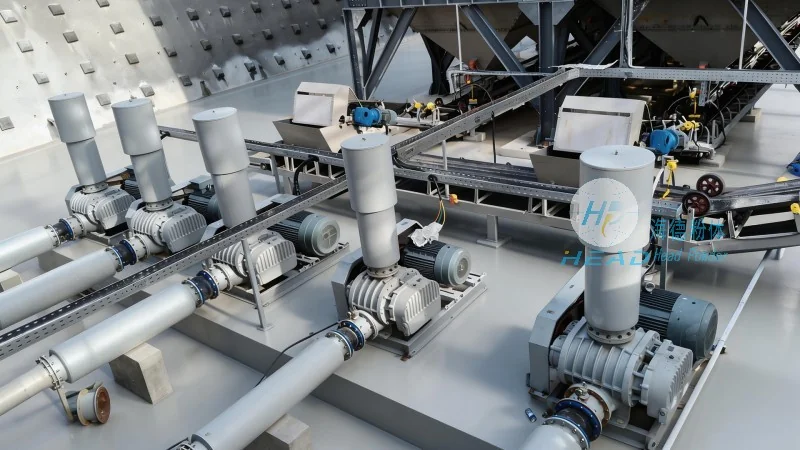
Several types of pneumatic conveying systems are available, each with distinct advantages and applications. The most common systems include pressure systems (where air is compressed and used to push material through a pipeline) and vacuum systems (where air is drawn to pull material). For aluminum dross, pressure systems are often preferred due to their ability to handle abrasive materials and long distances. These systems typically use positive displacement blowers or rotary lobe pumps to generate the necessary pressure, ensuring consistent material flow even with high-density dross. Vacuum systems, on the other hand, are suitable for shorter distances and lighter materials but may not be as effective for abrasive dross, as they rely on suction rather than pressure to move material.
HeadPowder's Expertise in Aluminum Dross Handling Solutions
Shandong HeadPowder Engineering Co., Ltd. specializes in designing and manufacturing customized pneumatic conveying systems tailored to the unique needs of aluminum dross handling. With years of experience in the material handling industry, our team of engineers understands the challenges associated with aluminum dross and develops solutions that ensure reliable, efficient, and safe operation. Our systems are built with high-quality materials, such as stainless steel and wear-resistant components, to withstand the abrasive nature of aluminum dross. Additionally, we offer advanced features like automatic cleaning and monitoring systems to enhance performance and reduce downtime. By leveraging our expertise, clients can optimize their aluminum dross handling processes and achieve better results.
Customization and Integration for Optimal Performance
Every aluminum dross handling facility is unique, and a one-size-fits-all approach to pneumatic conveying is rarely effective. At HeadPowder, we prioritize customization to ensure that our systems integrate seamlessly with existing infrastructure and meet specific operational requirements. Our engineers work closely with clients to assess their process flow, material characteristics, and budget constraints to design a system that maximizes efficiency and minimizes costs. This includes selecting the appropriate pipeline diameter, air velocity, and blower capacity, as well as incorporating features like dust collection and material recovery systems. We also consider factors such as space constraints and existing equipment to ensure the system fits within the facility's layout without disrupting operations.
Ensuring Long-Term Reliability and Cost-Effectiveness
Investing in a high-quality pneumatic conveying system for aluminum dross is an investment in long-term operational success. By choosing a system that is well-suited to the material's properties and the facility's layout, you can reduce maintenance costs, minimize downtime, and improve overall productivity. HeadPowder's systems are designed with durability and ease of maintenance in mind, featuring components that are easy to replace and service. Additionally, our systems are energy-efficient, helping to lower operational costs over time. By partnering with HeadPowder, you can ensure that your aluminum dross handling process is optimized for performance, reliability, and cost-effectiveness. Our commitment to quality and customer satisfaction ensures that you receive a system that meets your needs now and in the future.

 Shandong Headpowder Engineering Co., Ltd.
 156-6277-7102(Quản lý Trương)
  0531-83386006
  Thành phố Tế Nam, Tỉnh Sơn Đông, Trung Quốc
Điện thoại
WeChatTư vấn
Lên đầu